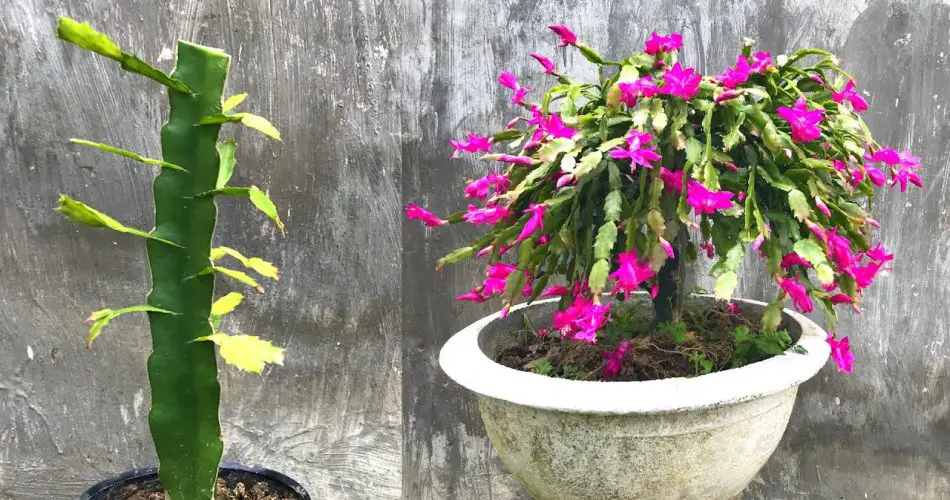
Grafting is a fascinating horticultural technique that allows gardeners to combine the best traits of different plants. One exciting combination is grafting Cottage Quynh (a type of Christmas Cactus) with dragon fruit. This unique grafting project can bring both aesthetic and practical benefits to your garden. If you’re new to grafting and curious about how to create this intriguing hybrid, here’s a comprehensive guide to get you started.
Understanding the Plants
- Cottage Quynh: Also known as Christmas Cactus (Schlumbergera spp.), this plant is celebrated for its vibrant, tubular flowers and its ability to thrive in indoor environments. It typically features flat, segmented stems and blooms in shades of red, pink, or white during the winter months.
- Dragon Fruit: Also known as pitaya, dragon fruit is a tropical fruit that grows on a type of cactus. It produces striking, colorful fruits with a sweet, mildly tangy flavor. Dragon fruit plants are known for their vibrant flowers and unique appearance.
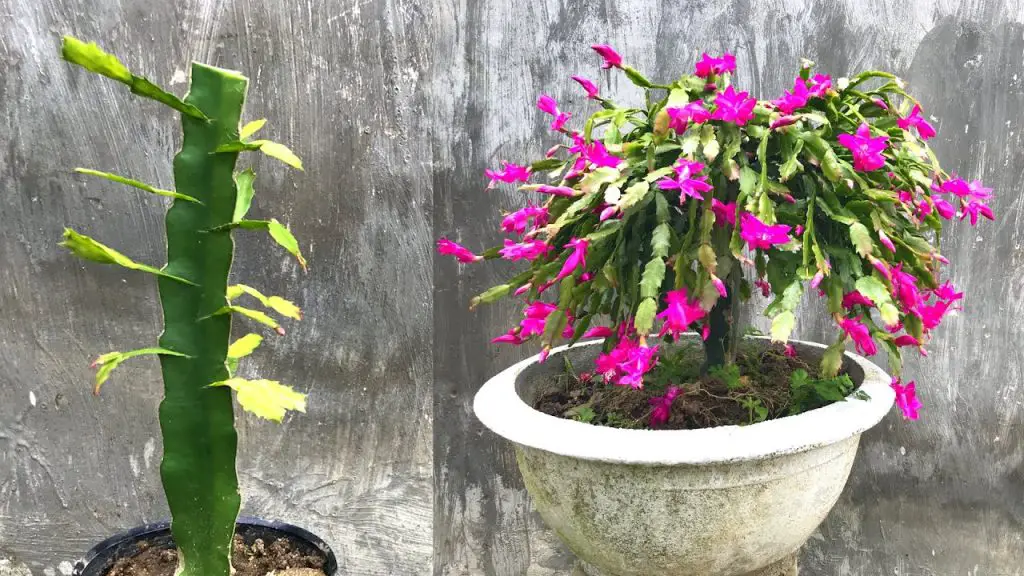
Why Graft Cottage Quynh with Dragon Fruit?
- Unique Aesthetic: Combining these two plants results in a visually striking specimen, featuring the Christmas Cactus’s colorful blooms and the dragon fruit’s dramatic appearance.
- Improved Resilience: Grafting can enhance the resilience and adaptability of the plants, potentially combining the hardiness of the dragon fruit with the beauty of the Christmas Cactus.
- Novelty and Interest: This grafting project offers a unique gardening experience, showcasing your creativity and skill while producing a plant that stands out in any garden.
Steps for Grafting Cottage Quynh with Dragon Fruit
- Gather Materials:
- Healthy Plants: Choose a healthy Cottage Quynh (Christmas Cactus) and a dragon fruit cactus. Both should be free from disease and pests.
- Grafting Tools: Use a sharp knife or grafting tool to make clean cuts. You will also need grafting tape or bandage.
- Prepare the Plants:
- Select Scion and Rootstock: The Cottage Quynh will serve as the scion (the top part of the graft), and the dragon fruit will be the rootstock (the base of the graft).
- Cut the Scion: Take a healthy segment of the Christmas Cactus, ensuring it has several segments. Make a clean cut at the base of this segment.
- Prepare the Rootstock: On the dragon fruit cactus, make a matching cut where you intend to attach the scion. Ensure the cuts are aligned to maximize the chance of successful grafting.
- Grafting Process:
- Align and Attach: Place the cut end of the Christmas Cactus segment onto the prepared dragon fruit rootstock. Ensure that the vascular tissues of both plants align as closely as possible.
- Secure the Graft: Use grafting tape or a bandage to secure the graft site. This helps to hold the scion in place and protects the graft from external elements.
- Post-Grafting Care:
- Watering: Water the grafted plant lightly to keep the soil moist but not soggy. Avoid overwatering, as this can cause rot.
- Light: Place the plant in a location with bright, indirect light. Avoid direct sunlight, which can stress the grafted plant.
- Monitoring: Keep an eye on the graft site for signs of successful union, such as new growth or the plant’s ability to withstand light stress.
Benefits of Grafting Cottage Quynh with Dragon Fruit
- Aesthetic Appeal: Enjoy a unique plant with a combination of the Christmas Cactus’s festive blooms and the dragon fruit’s striking appearance.
- Enhanced Resilience: Leverage the dragon fruit’s hardiness to potentially improve the overall health and longevity of the grafted plant.
- Gardening Challenge: Engage in a rewarding gardening project that enhances your grafting skills and adds a creative touch to your garden.
Grafting Cottage Quynh with dragon fruit is an exciting way to explore the art of grafting and create a visually stunning plant. By following these steps and providing proper care, you can successfully combine the beauty of the Christmas Cactus with the unique characteristics of the dragon fruit. This grafting project not only enhances your gardening skills but also adds a touch of creativity and interest to your plant collection. Give it a try and enjoy the rewards of your innovative gardening efforts!