The Hibiscus rosa, also known as Bunga Raya, is a stunning tropical plant celebrated for its large, vibrant flowers and striking foliage. While most people grow Hibiscus in soil, did you know that Hibiscus roots can also thrive in a water environment? This article will guide you through the process of growing Hibiscus roots in water, allowing you to enjoy the beauty of this plant in an innovative way.
Why Grow Hibiscus in Water?
Hibiscus plants are naturally found in tropical climates where they receive abundant sunlight and moisture. By growing Hibiscus roots in water, you create a hydroponic environment that supports the plant’s growth without the need for soil. This method not only reduces the risk of soil-borne pests but also allows for faster root development and a cleaner growing setup.
Growing Hibiscus in water can be an excellent way to propagate the plant or to add a unique touch to your indoor garden. The Bunga Raya can still thrive and produce its signature blooms when properly cared for in this environment.
How to Grow Hibiscus Roots in Water
1. Selecting a Healthy Hibiscus Cutting
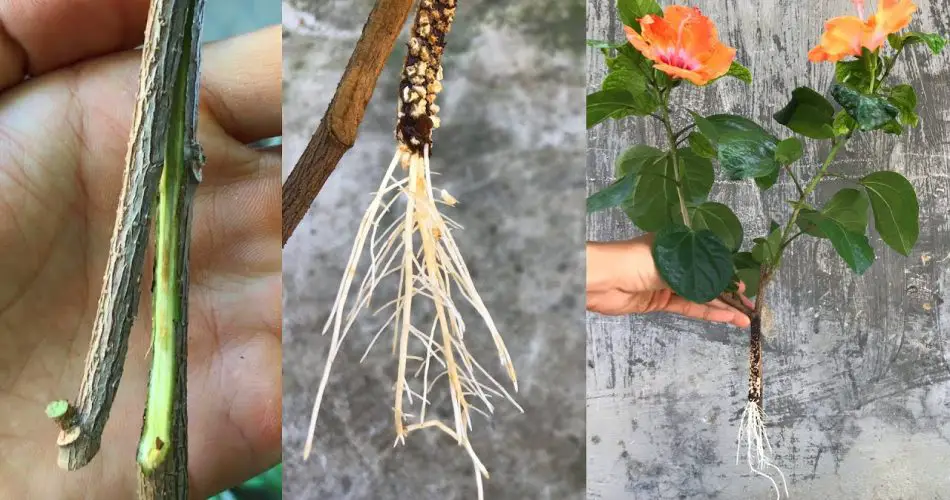
To begin, you need a healthy cutting of Hibiscus. Choose a stem cutting that is approximately 4-6 inches long. It’s essential to select a healthy cutting with no signs of disease or pests. Make sure the cutting includes a few leaves and is free from any flowers or buds, as they can divert energy from root growth.
2. Prepare the Water Container
Choose a clean water container that is wide enough to hold the cutting comfortably. A glass jar or clear vase works well because it allows you to monitor the progress of the roots. Make sure the container is large enough to prevent the cutting from becoming overcrowded.
Add fresh water to the container, making sure the cutting’s stem is submerged but the leaves are above the waterline. You can use distilled water or rainwater for the best results, as tap water may contain chemicals that can hinder root development.
3. Place the Cutting in Water
Once your container is prepared, place the Hibiscus cutting in the water with the stem submerged. Be sure that the cutting is in a spot where it receives indirect sunlight, as direct sunlight can cause the water to overheat and harm the cutting.
For optimal root growth, change the water every 2-3 days to ensure it stays clean and oxygenated. Stagnant water can cause the cutting to rot, so it’s important to refresh it regularly.
4. Wait for Root Development
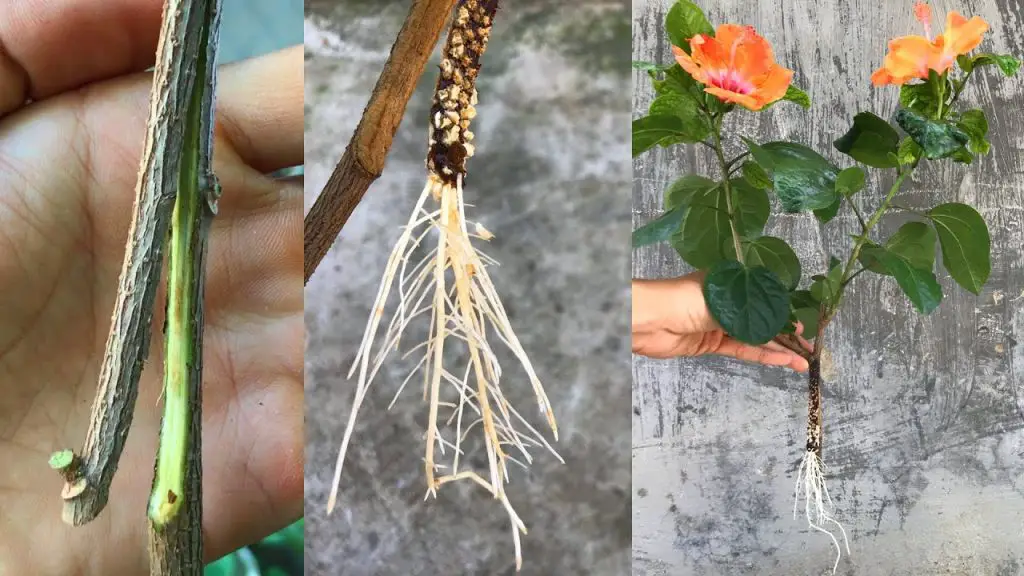
After about 2-4 weeks, you should begin to see roots emerging from the base of the cutting. At this stage, you can encourage strong root growth by adding a liquid fertilizer specifically designed for hydroponic plants. A diluted solution of fish emulsion or a balanced fertilizer can help the cutting establish a robust root system.
Once the roots are about 1-2 inches long, you can consider transferring the Hibiscus to a larger container with soil or keep it in water for continued growth.
Caring for Your Hibiscus in Water
While Hibiscus roots grow in water, it’s essential to continue providing the plant with proper care:
- Light: Hibiscus plants need plenty of bright, indirect sunlight. Place your water container near a window that gets lots of light but not direct sunlight, which could overheat the water.
- Temperature: Hibiscus thrives in warm temperatures between 65°F (18°C) to 75°F (24°C). Make sure the plant is kept in a space that is free from cold drafts.
- Water: Keep the water level consistent and change the water regularly. Avoid letting the water evaporate too much, as this can stress the plant.
- Nutrients: If you keep the Hibiscus in water for an extended period, adding a hydroponic nutrient solution every couple of weeks will promote healthy growth and flowering.
Transplanting Your Hibiscus
If you eventually want to transplant your Hibiscus to soil, the roots should be well-developed and strong enough to support the transition. Carefully remove the plant from the water container and gently place it in a well-draining potting mix. Keep it in a sunny spot and water it regularly to help it adjust to the soil.
Conclusion
Growing Hibiscus rosa or Bunga Raya roots in a water environment is an innovative and effective way to propagate and grow this beautiful plant. With proper care, your Hibiscus will thrive in water, developing strong roots and producing stunning flowers. Whether you choose to leave it in water or eventually transplant it to soil, this method offers a unique way to cultivate Hibiscus while enjoying its striking beauty.
By following the simple steps in this guide, you’ll soon see how growing Hibiscus in water can become a rewarding and easy gardening method for your home.