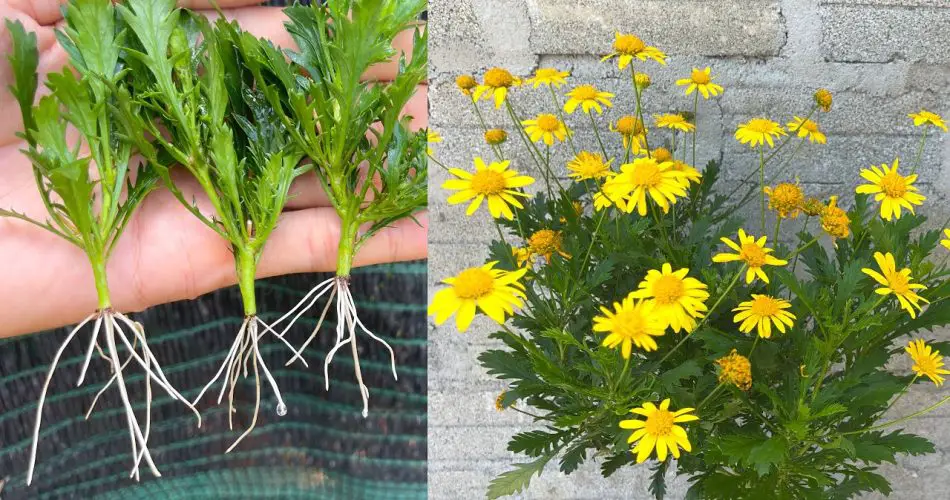
Chrysanthemums, often referred to as mums, are beloved for their stunning flowers and vibrant colors. While most people are familiar with the traditional chrysanthemum flowers, did you know that you can also propagate and grow woody chrysanthemums using their branches? In this article, we will explore how to care for chrysanthemum plants and how to propagate them through branch cuttings. Let’s dive into the process and the best practices to ensure your chrysanthemums thrive year-round.
What Are Woody Chrysanthemums?

Woody chrysanthemums are a variety of chrysanthemums that have a woody stem as opposed to a soft, herbaceous one. These types of chrysanthemums are typically hardier and more resilient, making them ideal for landscaping and long-term growth. They often bloom in late fall, bringing a burst of color and beauty to your garden.
Unlike the typical chrysanthemum which is grown from seeds or softwood cuttings, woody chrysanthemums can be propagated through branch cuttings, making them an excellent choice for gardeners looking to expand their collection.
How to Grow Woody Chrysanthemums with Branches
Growing chrysanthemums from branches is an effective and rewarding method of plant propagation. Here’s how you can grow these vibrant plants from woody cuttings:
What You’ll Need:
- Healthy woody chrysanthemum branches (from a mature plant)
- Sharp garden scissors or pruning shears
- Rooting hormone (optional, but recommended)
- Well-draining potting soil
- Pots or containers for planting
- Plastic bag or plastic wrap (to create a greenhouse effect)
- Water
Steps to Propagate Woody Chrysanthemums from Branches
- Select Healthy Branches:
- Choose mature woody stems from your existing chrysanthemum plant. The best branches for propagation are about 4-6 inches long and have a woody texture.
- Make sure the branch is free from disease or damage, and select a healthy, mature plant to take your cuttings from.
- Prepare the Cutting:
- Using clean, sharp scissors or pruning shears, cut the selected branch at a 45-degree angle just below a node (where leaves grow).
- Remove any leaves from the lower half of the cutting, leaving just a few at the top. This will prevent excess moisture loss and allow the cutting to focus on developing roots.
- Use Rooting Hormone (Optional):
- To increase the chances of successful rooting, you can dip the cut end of the branch cutting in rooting hormone. This promotes root growth and helps the cutting develop roots faster.
- Plant the Cutting:
- Fill a pot or container with well-draining soil. You can mix in some perlite or sand to improve drainage.
- Make a small hole in the soil with a pencil or stick, then insert the branch cutting into the hole, burying the lower part of the cutting.
- Gently firm the soil around the cutting to keep it stable.
- Create a Humid Environment:
- To encourage root development, cover the cutting with a plastic bag or plastic wrap to create a humid environment. This prevents the cutting from drying out while it roots.
- Place the pot in a warm, bright location with indirect light, avoiding direct sunlight, which can overheat the cutting and hinder root growth.
- Water Regularly:
- Keep the soil moist, but not waterlogged. Water the cutting gently whenever the top layer of the soil starts to dry out.
- Be careful not to drown the cutting, as this can lead to root rot. Make sure your container has good drainage.
- Wait for Roots to Develop:
- In about 4-6 weeks, the cutting should start developing roots. Gently tug on the cutting to check for resistance, which indicates that roots are forming.
- Once the cutting has rooted, you can remove the plastic cover and continue growing the plant.
- Transplant the Rooted Cutting:
- After the cutting has a well-established root system, it’s time to transplant it into a larger container or directly into your garden.
- Choose a location with full sun and well-draining soil, and continue to care for the plant as it grows.
Chrysanthemum Plant Care Tips
To ensure your chrysanthemums thrive after they’ve rooted and are ready for transplant, here are some essential care tips:
1. Sunlight:
- Chrysanthemums love sunlight! Make sure to plant them in a location where they’ll receive 6-8 hours of sunlight per day.
2. Watering:
- While chrysanthemums are relatively drought-tolerant, they need regular watering, especially during the growing season.
- Water when the soil feels dry to the touch, but avoid overwatering as this can cause root rot.
3. Soil:
- Ensure the soil is well-draining, as chrysanthemums do not like soggy roots. A slightly acidic soil pH is ideal for woody chrysanthemums.
4. Fertilization:
- Use a balanced, slow-release fertilizer to support healthy growth and blooming.
- Fertilize your chrysanthemums every few weeks during the growing season to encourage abundant flowers.
5. Pruning:
- Regular pruning helps your chrysanthemums maintain a bushy shape and encourages more blooms. Trim back dead or damaged branches and spent flowers to promote new growth.
Conclusion
Growing woody chrysanthemums from branch cuttings is a great way to propagate this stunning plant and expand your garden. With proper care and attention, these cuttings will develop into strong, vibrant plants that bloom beautifully. By following these simple steps, you can enjoy chrysanthemums in your garden for years to come, making them a delightful and easy-to-care-for addition to your landscape. Happy gardening!