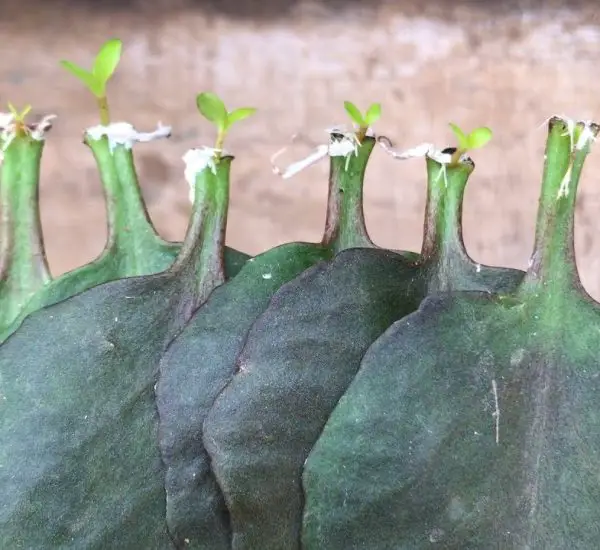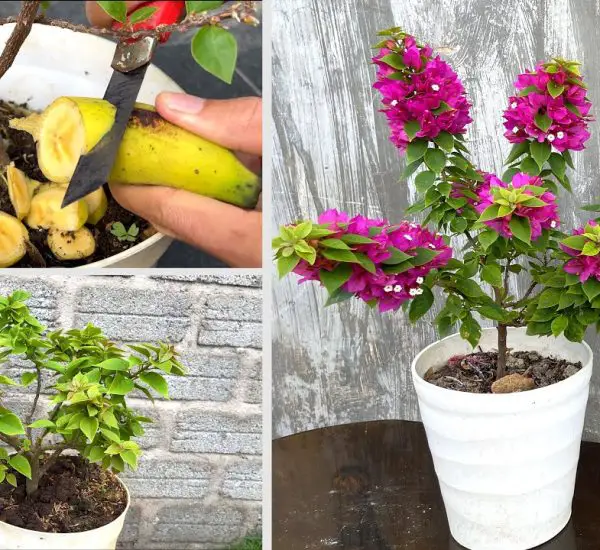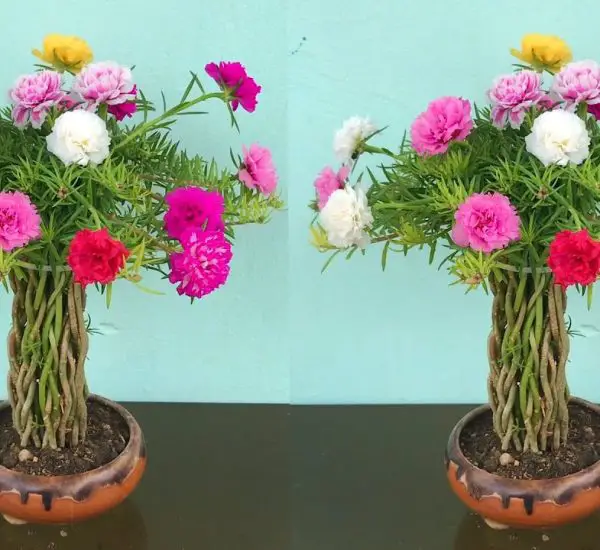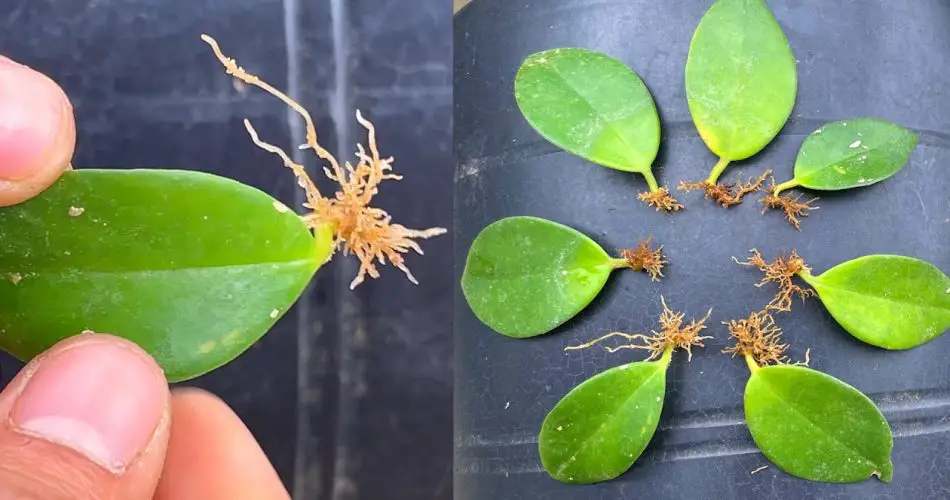
Growing plants from leaves or flowers is one of the most rewarding gardening techniques, and using sand as a growing medium is an excellent way to propagate your plants. Whether you’re interested in growing houseplants or outdoor varieties, this method allows you to encourage healthy root development from a leaf cutting, giving you a new plant from an existing one. In this article, we’ll explore how to grow roots from plant leaves and flowers by using sand, as well as the benefits and step-by-step process.
Why Sand for Propagation?

You might be wondering why sand is an ideal medium for rooting leaves and flowers. Here’s why:
- Well-Draining: Sand provides excellent drainage, which prevents excess water from accumulating around the roots and causing rot. This makes it an ideal environment for roots to grow strong and healthy.
- Aeration: The loose texture of sand allows oxygen to reach the developing roots, which is essential for proper growth and development.
- Sterility: Sand is less likely to harbor bacteria and fungi, which makes it a cleaner option for propagating new plants.
How to Grow Roots from Plant Leaves and Flowers in Sand
Growing plants from leaves and flowers is a simple process, and sand can play an essential role in ensuring that your cuttings establish roots successfully. Here’s a step-by-step guide on how to propagate leaves and flowers in sand.
What You’ll Need:
- Healthy leaves or flowers (for propagation)
- Clean sand (use coarse sand or builder’s sand for best results)
- A container or pot (for the sand and cutting)
- Water (to moisten the sand)
- Rooting hormone (optional but helpful for better root development)
- Plastic wrap or a plastic bag (to maintain humidity)
Steps for Planting Leaves and Flowers in Sand
- Prepare Your Cutting:
- Start by selecting a healthy leaf or flower from the plant you want to propagate.
- If you’re propagating leaf cuttings, make sure the leaf has a healthy, intact petiole (the stem of the leaf).
- For flower propagation, take a stem with a flower attached or use the flower’s base (petals removed) to encourage root development.
- Trim and Prepare the Cutting:
- Using a clean, sharp knife or scissors, cut a small portion of the leaf or flower stem, ensuring that it is long enough for the roots to develop.
- If desired, you can dip the cut end of the cutting into rooting hormone to encourage quicker root development. Rooting hormone can be found at most garden stores and helps stimulate the growth of new roots.
- Fill Your Container with Sand:
- Take your container or pot and fill it with clean sand. You want the sand to be loose and well-drained, so avoid packing it too tightly.
- Moisten the sand with a little water, but ensure it’s not soaking wet. The moisture level should be enough to keep the sand damp, but it shouldn’t be too soggy.
- Insert the Cutting into the Sand:
- Make a small hole in the sand using a stick or pencil, then carefully place the cut end of the leaf or flower stem into the hole.
- Ensure that the cutting is deep enough into the sand to remain upright and stable.
- Create a Humid Environment:
- To encourage root development, create a humid environment by covering the container with a plastic bag or plastic wrap. This helps to retain moisture around the cutting and mimics a greenhouse effect.
- Place the container in a warm area with indirect sunlight, as too much direct sunlight can harm the cutting.
- Care for Your Cuttings:
- Check the sand regularly to ensure it remains slightly moist but not soaking wet.
- After a few weeks, you should start to see small roots developing from the cutting. Be patient, as root growth can take time.
- Once the roots are established, you can transfer the cutting to a larger pot with more soil or plant it directly in your garden.
Common Issues to Watch Out For
While propagating leaves and flowers in sand is relatively simple, there are a few things to keep in mind to ensure successful growth:
- Overwatering: If the sand becomes too wet, the cutting can rot. Ensure the sand is damp, not soaked.
- Lack of Humidity: If you don’t cover the container with plastic, the cutting may dry out. Maintaining the right humidity is crucial for root development.
- Too Much Sunlight: Direct sunlight can dry out the cutting too quickly. Place your container in a spot with indirect light to keep the temperature consistent.
Benefits of Using Sand for Plant Propagation
- No Special Equipment Needed: Sand is affordable and easily accessible, making it a cost-effective option for gardeners.
- Healthy Root Development: Because of the well-draining properties, the cuttings can develop roots without the risk of rot, which is common in overly moist soil.
- Easy to Monitor: The transparency of plastic bags or clear containers makes it easy to see when roots are forming.
Conclusion
Planting leaves and flowers in sand is a simple, natural method for propagating plants and encouraging healthy root growth. The combination of sand’s aeration and moisture-retention properties provides the ideal environment for cuttings to thrive. By following these easy steps, you can successfully grow new plants from your existing garden, all while ensuring that the roots develop properly. Try this technique and watch your garden flourish with fresh new plants in no time!