Grafting roses is a fantastic technique for gardeners looking to propagate new rose varieties or improve the health of their rose plants. While traditional methods of grafting might seem complicated, a new, simpler method is gaining popularity among home gardeners, making it easier to take care of your rose garden. If you’re eager to try something new in your home garden, here’s an innovative way of grafting roses that promises to yield successful results.
What is Grafting and Why Should You Do It?
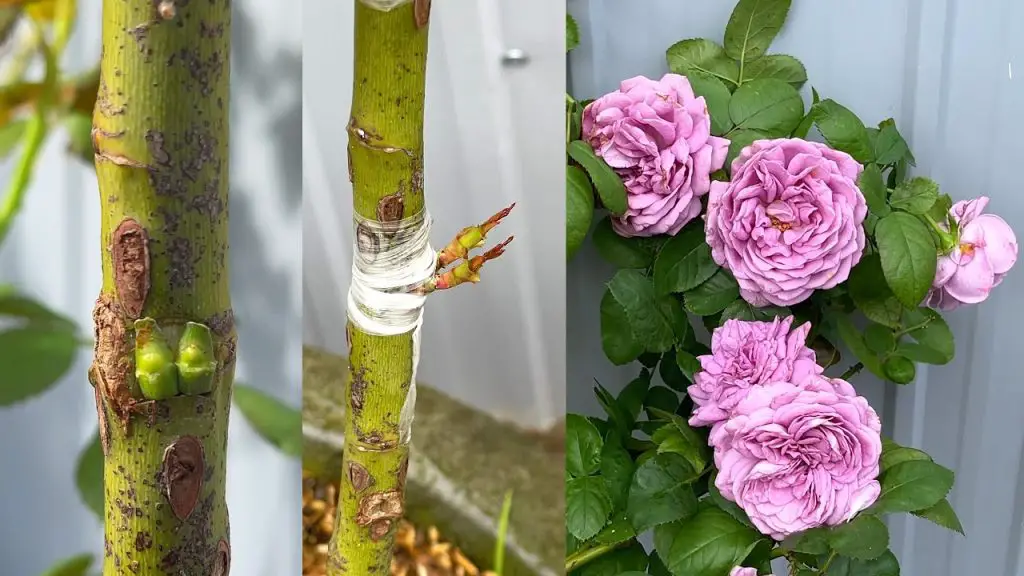
Grafting is a horticultural technique where two different parts of a plant, typically the rootstock and the scion, are joined together to form a single, new plant. This method is commonly used with roses to combine the best traits of two plants—such as a hardy root system with a beautiful rose bloom.
Grafting can be done to:
- Propagate a specific rose variety you love.
- Increase plant vigor by selecting strong rootstock.
- Enhance disease resistance and resilience against harsh weather.
For home gardeners with limited space, grafting is also a fantastic way to create a more diverse rose garden without the need to plant multiple rose bushes.
A New Way to Graft Roses: Step-by-Step Guide
This new grafting technique is designed to be simple yet highly effective. It requires fewer tools and less expertise than traditional grafting methods, making it ideal for beginner gardeners and rose enthusiasts alike.
Materials You’ll Need:
- Healthy rose stems (scions) from the rose variety you want to propagate.
- A rootstock rose plant (preferably one with a strong root system).
- A sharp knife or pruning shears.
- Grafting tape or rubber bands.
- Grafting wax (optional but recommended to seal the grafting site).
Step 1: Select the Right Rootstock
Choose a healthy rose rootstock that is compatible with the rose variety you want to graft. Ideally, the rootstock should be a hardy variety that is resistant to diseases and pests, as well as suited for the climate in your area.
Step 2: Prepare the Scion (Rose Stem)
Cut a healthy rose cutting from the variety you wish to propagate. The cutting should be about 6–8 inches long and have at least 2-3 healthy buds. Using a sharp knife, trim the cutting so that it has a straight, clean edge that will align well with the rootstock.
Step 3: Make a Clean Cut on the Rootstock
On your rootstock, make a clean, slanted cut just above the soil line. This cut will allow the scion to be attached securely. Ensure the cut is smooth, as any jagged edges could cause complications when joining the two parts.
Step 4: Attach the Scion to the Rootstock
Align the base of the scion with the cut on the rootstock. The two cuts should be closely matched in size to ensure a good connection. Gently press them together so that the vascular tissues (the tissue responsible for water and nutrient transport) align.
Step 5: Secure the Graft
Using grafting tape or rubber bands, secure the grafted area tightly. This will help hold the scion in place and prevent it from moving. If you’re using grafting wax, apply it to the grafted area to seal it and protect it from moisture loss and infection.
Step 6: Monitor and Care for Your Grafted Rose
Place the newly grafted rose in a warm, shaded area for a few weeks to help it heal and form a strong union. Keep the grafted plant well-watered but not soggy. Once the graft has successfully taken, you’ll see new growth emerging from the scion. At this point, remove any wrapping or bands and move the plant to a sunnier location.
Taking Care of the Rose Garden After Grafting
Once your grafted roses have taken root and begun to grow, it’s important to continue caring for your rose garden. Here are a few tips to help ensure your grafted roses thrive:
- Regular Watering: Roses need regular watering, especially after grafting. Be sure to keep the soil evenly moist but avoid waterlogging, which can lead to root rot.
- Fertilizing: Apply a balanced fertilizer to your roses every 4-6 weeks during the growing season. This will provide essential nutrients for strong growth and abundant blooms.
- Pruning: After your roses have grown and developed, it’s important to prune them regularly to encourage healthy growth. Remove dead or damaged stems, and shape the plant to ensure good air circulation.
- Pest Control: Keep an eye out for common rose pests, such as aphids or Japanese beetles. Use organic or chemical pest control methods as necessary to protect your plants.
- Winter Care: In colder climates, you may need to protect your grafted roses from winter frost by mulching around the base or covering the plant with a frost blanket.
Why You Should Try This New Grafting Method
This new way of grafting roses is a great solution for those looking to enhance their rose garden with minimal effort. It’s easy to learn, requires fewer tools, and doesn’t require advanced knowledge of horticulture. Whether you want to propagate your favorite roses or simply add new varieties to your garden, this technique will give you the satisfaction of growing healthy, beautiful roses from the comfort of your home.
By choosing the right rootstock, using proper grafting techniques, and providing the best care for your rose plants, you can enjoy a flourishing rose garden full of vibrant blooms for years to come. Give it a try, and watch your roses thrive!