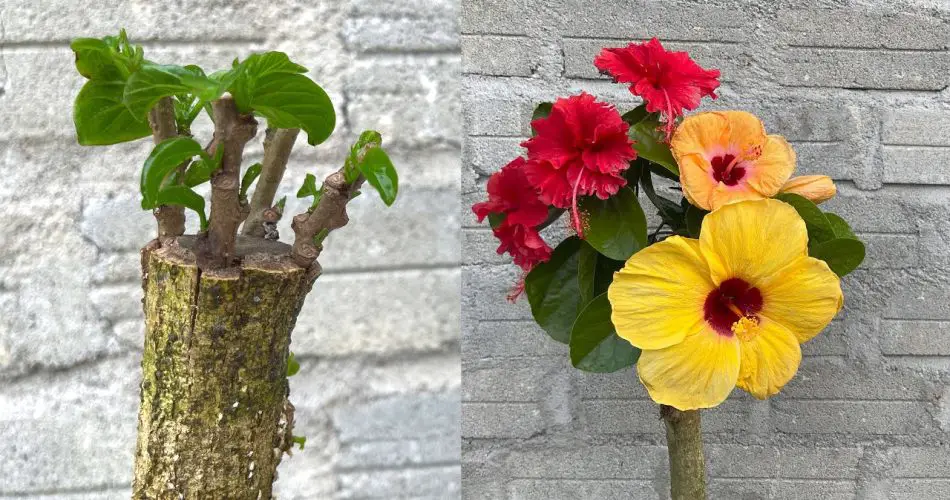
Hibiscus flowers are among the most beautiful and vibrant additions you can have in your garden. Known for their large, colorful blooms, these plants bring a tropical feel to any landscape. If you’re a gardening enthusiast looking to try something new, grafting multi-colored hibiscus flowers on one stem is a fun and creative way to achieve a variety of colors on a single plant. This method can enhance the aesthetic of your garden and offer you a unique, stunning display of blooms. Here’s everything you need to know about hibiscus flower planting and how to graft multiple varieties onto one stem.
What is Grafting in Hibiscus Plants?
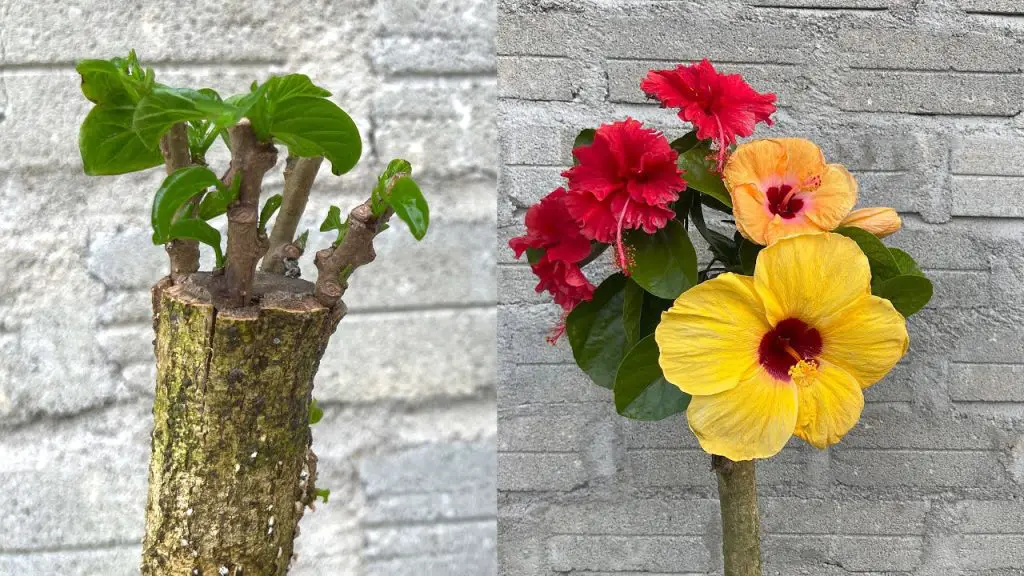
Grafting is a horticultural technique where parts of two different plants (the scion and the rootstock) are joined together to grow as a single plant. In the case of hibiscus flowers, grafting allows you to combine several varieties with different colors onto a single stem, giving you a multi-colored hibiscus plant that is sure to catch everyone’s attention.
Grafting works by attaching the cutting (or scion) from one plant to the rootstock of another. Once the graft is successful, the two plants will grow together, and the scions will produce flowers with the characteristics of the original hibiscus variety.
Why Should You Graft Multi-Colored Hibiscus Flowers?
Grafting multiple hibiscus varieties onto one stem offers several benefits:
- Vibrant Displays: Grafting multiple colors of hibiscus onto one stem allows you to enjoy a variety of blooms from a single plant, creating a beautiful, multicolored effect.
- Space-Saving: For gardeners with limited space, grafting several varieties of hibiscus on one stem maximizes the potential of each plant and reduces the number of plants needed.
- Unique Garden Feature: A multi-colored hibiscus plant is a unique and eye-catching addition to your garden, making it stand out from the typical single-colored hibiscus varieties.
- Resilient Growth: By choosing strong, disease-resistant varieties for the rootstock, you can ensure that your hibiscus flowers thrive and are more resistant to pests and diseases.
How to Graft Multi-Colored Hibiscus Flowers on One Stem
While grafting may sound complex, it is actually a simple process that can be done with some basic tools and techniques. Here’s a step-by-step guide to help you successfully graft multi-colored hibiscus flowers onto a single stem.
Materials You’ll Need:
- Healthy hibiscus plants with different flower colors (these will be your scions)
- A rootstock hibiscus plant (a strong, healthy variety)
- A sharp knife or pruning shears
- Grafting tape or rubber bands
- Grafting wax (optional but recommended for sealing)
- A sterilized cutting tool to prevent infection
Step 1: Choose the Right Plants for Grafting
Select a rootstock hibiscus that is healthy and robust. The rootstock will be the main plant that provides the base for your multi-colored blooms. Choose scions from different hibiscus varieties that you want to graft onto the rootstock. Make sure the scions are mature and have healthy buds.
Step 2: Prepare the Rootstock
Start by making a clean cut on the rootstock stem, about 4–6 inches above the ground. Use a sharp knife to ensure a smooth, clean cut. This cut will serve as the base for your grafted scions.
Step 3: Prepare the Scions
Take your hibiscus scion (the cutting you want to graft) and make a diagonal cut at the base of the stem. The cut should be about 2–3 inches long, and it should be made so that the scion will fit snugly against the rootstock.
Step 4: Join the Scion to the Rootstock
Carefully align the cut end of the scion with the cut on the rootstock. Ensure that the vascular cambium (the tissue responsible for nutrient transport) of both the rootstock and scion are in contact with each other. This will help them successfully bond.
Step 5: Secure the Graft
Once the scion is aligned with the rootstock, use grafting tape or rubber bands to secure the graft in place. Wrap the graft tightly to hold the two parts together. If you’re using grafting wax, apply it to the grafted area to seal it and prevent moisture loss.
Step 6: Monitor the Grafted Plant
Place your grafted hibiscus plant in a shaded area for a few weeks to allow the graft to heal. During this time, keep the plant well-watered but not overly soaked. Once the graft has taken hold and new growth starts appearing, move the plant to a sunnier location to encourage flowering.
Tips for Grafting Success
- Cleanliness is Key: Always use clean tools and sterilize your cutting instruments before and after each use to prevent infection.
- Choose Compatible Varieties: Ensure that the scions you choose for grafting are compatible with the rootstock. Some hibiscus varieties may not graft well with others.
- Be Patient: Grafting takes time, and it may take a few weeks for the scions to successfully bond with the rootstock. Be patient and don’t disturb the plant during the healing process.
- Prune Regularly: After grafting, continue to prune the plant regularly to remove dead or damaged growth. This helps encourage strong, healthy new growth and maximizes your plant’s potential.
Taking Care of Your Grafted Hibiscus Plant
After grafting, it’s important to continue caring for your hibiscus flower as it grows. Here are a few tips:
- Watering: Hibiscus plants prefer consistently moist soil. Water your grafted plant regularly but ensure that the soil is well-drained to avoid root rot.
- Fertilizing: Use a balanced fertilizer to promote strong growth and vibrant blooms. Apply the fertilizer every 4–6 weeks during the growing season.
- Sunlight: Hibiscus plants need plenty of sunlight to thrive, so make sure your grafted plant is placed in a sunny spot.
- Pest Control: Keep an eye out for pests such as aphids or mealybugs, which can damage your hibiscus flowers. Use organic pest control methods as needed.
Why You Should Try Grafting Multi-Colored Hibiscus Flowers
Grafting multi-colored hibiscus flowers on one stem is an innovative way to add beauty, variety, and color to your garden. This technique allows you to enjoy a stunning display of vibrant blooms while conserving space. Whether you’re a beginner or an experienced gardener, this grafting method is a rewarding way to create a unique garden feature that will captivate everyone who sees it.
By following these simple steps, you can successfully grow a multi-colored hibiscus plant that will enhance your landscape and bring color and joy to your home garden!