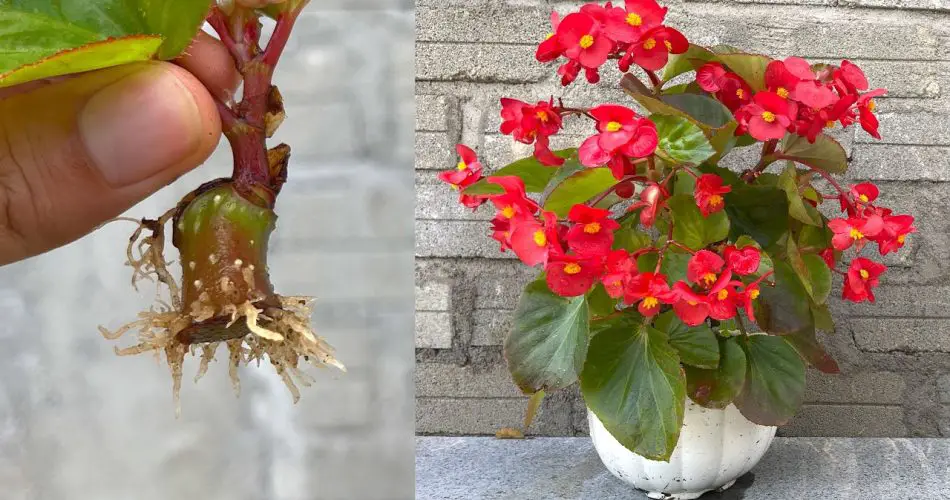
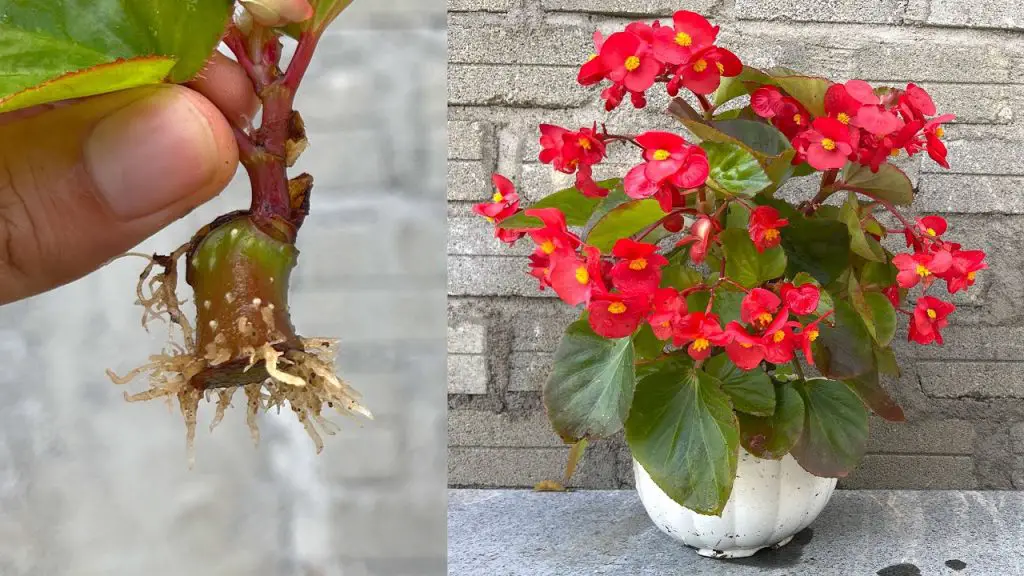
Begonias are popular for their vibrant colors, attractive foliage, and ease of care. They are one of the most sought-after flowers for indoor gardens, outdoor spaces, and flower arrangements. What’s even better is that breeding begonias at home is a simple and rewarding process. Whether you want to propagate begonias from leaf cuttings or stem cuttings, this article will show you how to breed begonias successfully, and enjoy a continuous supply of these beautiful plants.
Why Breed Begonias at Home?
Breeding begonias at home is a great way to:
- Expand your collection of begonias without spending much money on new plants.
- Create a personalized garden with different begonia varieties.
- Share begonias as gifts with friends and family.
- Enjoy the satisfaction of growing your own plants from scratch.
Now, let’s dive into the easy methods of breeding begonias at home.
1. Breeding Begonias from Leaf Cuttings
Leaf cutting propagation is one of the easiest and most common methods for breeding begonias. This method works well for begonias with large, flat leaves, such as rex begonias.
What You’ll Need:
- A healthy begonia plant with a mature leaf
- Sharp scissors or a knife
- A clean container with water or potting soil
- Rooting hormone (optional but can speed up root growth)
- A clear plastic bag or a plastic cover (to create humidity)
Steps:
- Select a Healthy Leaf: Choose a mature, healthy leaf from your begonia plant. Avoid leaves that are damaged or diseased.
- Cut the Leaf: Using a sharp pair of scissors or a knife, cut the leaf at the base of the stem. Make sure the leaf is large enough to have several veins that can promote root growth.
- Cut the Leaf into Sections: For some varieties, you can cut the leaf into smaller sections, each containing a vein. This increases the chances of successful rooting.
- Prepare the Cutting: If you prefer, dip the cut edges of the leaf into rooting hormone to encourage root growth. This step is optional but can be helpful in speeding up the rooting process.
- Place the Leaf in Water or Soil:
- Water Method: Place the leaf in a container with water, ensuring the stem and veins are submerged. Change the water every few days to keep it fresh.
- Soil Method: Alternatively, plant the leaf or leaf section in a small pot filled with well-draining potting mix. Water lightly, but make sure the soil is not soggy.
- Cover for Humidity: To maintain a humid environment that encourages rooting, cover the cutting with a clear plastic bag or plastic wrap. This will create a greenhouse effect and help the cutting root faster.
- Wait for Roots to Form: After about 2-4 weeks, check the cutting regularly for root formation. Once roots have developed, you can transplant the cutting into a larger pot with fresh potting soil.
2. Breeding Begonias from Stem Cuttings
For begonias with stems, such as fibrous begonias, stem cutting propagation is an effective method.
What You’ll Need:
- A healthy begonia plant with a firm stem
- Sharp scissors or pruning shears
- Rooting hormone (optional)
- A container with water or soil
- A clear plastic bag or a plastic dome for humidity
Steps:
- Select a Healthy Stem: Choose a healthy begonia stem that’s at least 3-4 inches long. Ensure the stem has several leaves attached.
- Cut the Stem: Using a sharp knife or scissors, cut the stem just below a node (the area where leaves attach to the stem). This part of the stem contains the most potential for root growth.
- Trim the Leaves: Remove the lower leaves from the cutting to prevent them from touching the soil or water. Leave a couple of leaves at the top of the stem for photosynthesis.
- Apply Rooting Hormone: Dip the cut end of the stem in rooting hormone to increase the chances of successful rooting.
- Place in Water or Soil:
- Water Method: Place the cutting in a container of water, ensuring the node is submerged. Change the water regularly to keep it clean.
- Soil Method: Alternatively, plant the stem in a pot filled with well-draining potting soil. Water lightly, and ensure the soil is not soggy.
- Create a Humid Environment: Cover the cutting with a plastic bag or plastic dome to create a warm and humid environment that promotes root development.
- Wait for Root Growth: In about 2-4 weeks, check the cutting for root growth. Once the roots are sufficiently developed, transplant the cutting into a larger pot for continued growth.
3. Breeding Begonias from Seed
While seed propagation is not as common as leaf or stem cutting, it’s another viable option for breeding begonias. However, this method requires more patience and care.
What You’ll Need:
- Begonia seeds
- Seedling tray or small pots
- Seed-starting mix
- Plastic wrap or a plastic dome
Steps:
- Prepare the Seed Tray: Fill a seed tray or small pots with seed-starting mix. Moisten the soil lightly with water.
- Plant the Seeds: Sprinkle the begonia seeds on the surface of the soil. Do not cover the seeds with soil, as they need light to germinate.
- Cover and Maintain Humidity: Cover the tray or pot with plastic wrap or a plastic dome to maintain humidity. Keep the tray in a warm, bright location but out of direct sunlight.
- Germination: After about 2-3 weeks, the seeds should begin to germinate. Once they’ve sprouted, remove the plastic cover and allow the seedlings to grow.
- Transplant: When the seedlings are large enough to handle, transplant them into individual pots with well-draining potting mix.
Final Thoughts
Breeding begonias at home is not only easy but also a highly rewarding experience. Whether you choose to propagate begonias from leaf cuttings, stem cuttings, or even seeds, you’ll be able to enjoy beautiful, healthy begonias in your home or garden. With patience, the right materials, and a little attention, you can quickly grow a collection of these stunning plants. So, get ready to propagate begonias and enjoy their vibrant colors and gorgeous flowers all year long!