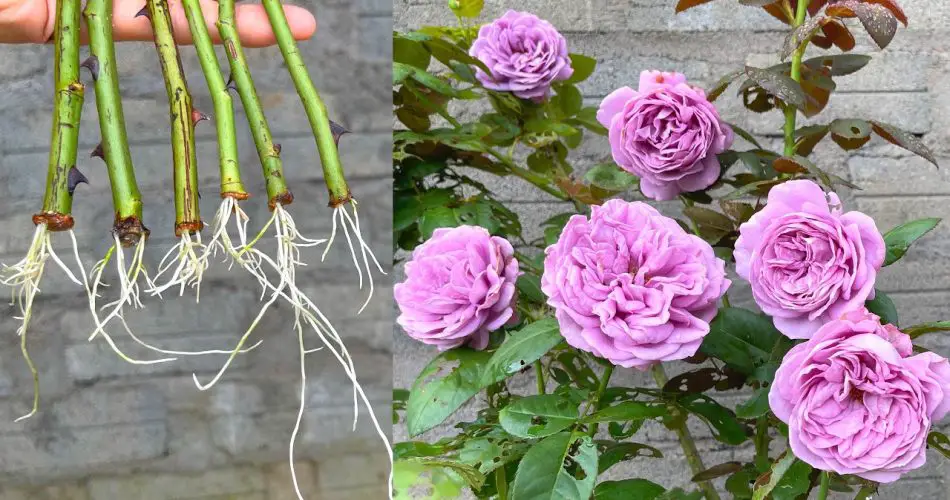
Maintaining a beautiful rose garden requires more than just regular watering and fertilizing. One crucial aspect of rose care is knowing how to cut roses effectively to encourage healthy growth and stunning blooms. Whether you’re preparing to bring a bouquet inside or ensuring your garden remains vibrant, proper cutting techniques can make a significant difference. Here’s how to cut roses in the country with maximum effectiveness.
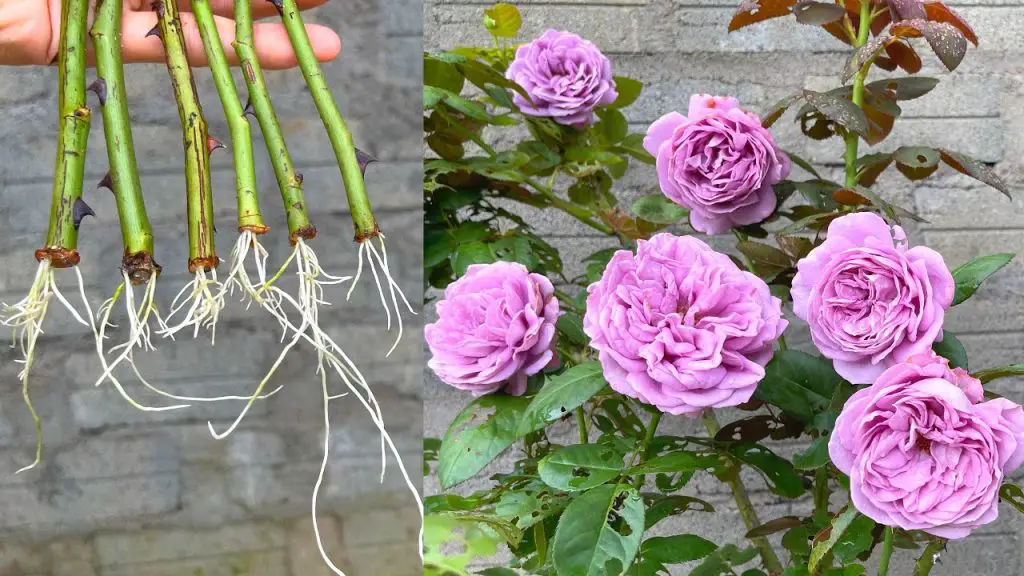
Why Proper Cutting is Important
Effective cutting of roses helps in several ways:
- Encourages New Growth: Pruning stimulates the plant to produce new buds and blooms.
- Improves Health: Removing old or diseased stems can prevent the spread of disease and pests.
- Promotes Better Air Circulation: Proper cutting ensures good airflow, which helps in reducing fungal infections.
Best Time to Cut Roses
- Early Morning: The best time to cut roses is early in the morning when flowers are fully hydrated. This helps them last longer after cutting.
- Cool Weather: Choose a cooler day to avoid stressing the plant, as extreme heat can cause the roses to wilt quickly.
Tools Needed for Cutting Roses
- Sharp Pruners: Use sharp, clean pruners or shears to make clean cuts and avoid damaging the plant.
- Gloves: Wear gardening gloves to protect your hands from thorns and potential irritants.
Steps to Cut Roses Effectively
1. Select the Right Roses
- Choose Healthy Blooms: Select roses that are in full bloom or just about to open. Avoid cutting those with disease or pest damage.
- Check for New Growth: Look for stems with new growth and multiple buds, as these are ideal for cutting.
2. Make the Cut
- Cut at an Angle: Make your cut at a 45-degree angle just above a leaf node (the point where a leaf is attached to the stem). This encourages faster healing and better water uptake.
- Leave Healthy Stems: Cut back to healthy stems that have at least three to five leaflets to ensure the plant remains vigorous.
3. Use the Correct Cutting Technique
- Remove Old Flowers: Deadhead spent blooms to encourage new growth. Cut the stem back to just above a leaf node.
- Prune for Shape: Trim the rose bush to maintain its shape and remove any crossing branches that can rub against each other.
4. Post-Cutting Care
- Water the Plant: After cutting, water the rose bush to help it recover and encourage new growth.
- Apply Fertilizer: Consider applying a balanced rose fertilizer to provide additional nutrients for recovery and blooming.
Additional Tips for Effective Rose Cutting
- Regular Maintenance: Regularly cut roses to maintain the plant’s health and appearance throughout the growing season.
- Sanitize Tools: Always clean and sterilize your cutting tools to prevent the spread of diseases.
- Consider a Rose Bouquet: If cutting roses for a bouquet, ensure you place them in water immediately and keep them in a cool location until arranged.
Troubleshooting Common Issues
- Wilting: If roses wilt quickly after cutting, ensure they were cut early in the morning and immediately placed in water.
- Disease: Avoid cutting diseased stems, and clean your tools to prevent spreading infection.
By following these effective cutting techniques, you can keep your rose garden looking vibrant and healthy. Proper care and attention will not only enhance the beauty of your roses but also ensure they continue to flourish for years to come. 🌹🏡
Copy
Show Comments