Grafting is an ancient horticultural technique that allows you to combine two different plants into a single, thriving organism. By using tip grafting, you can unite the beauty of two distinct flowers or even trees into one unique hybrid. If you’ve ever wondered how to merge the characteristics of two plants, this guide will walk you through the process of grafting them together for a stunning and effective result.
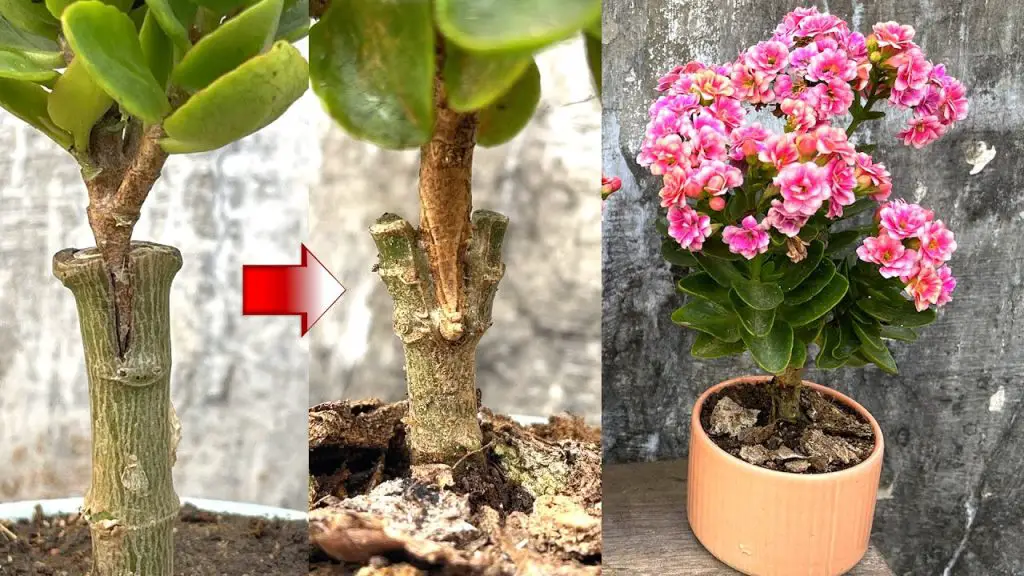
What is Tip Grafting?
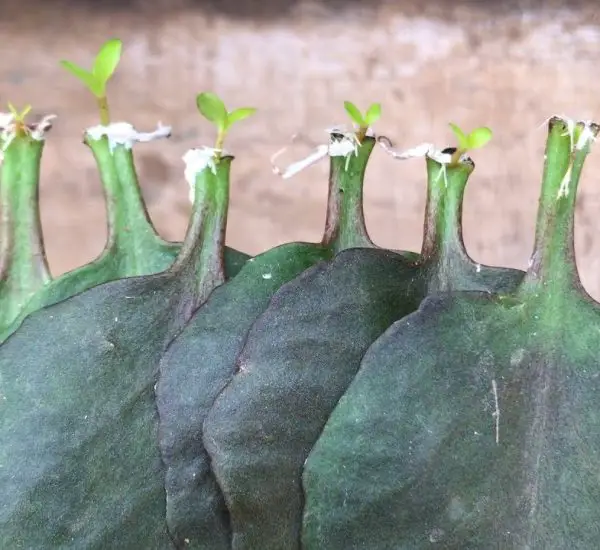
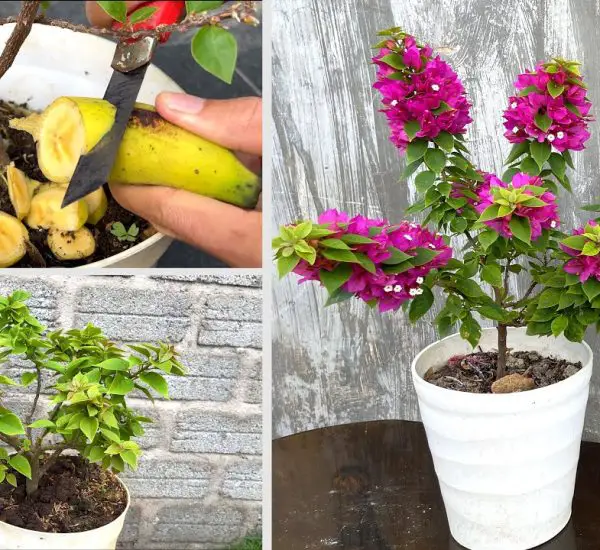
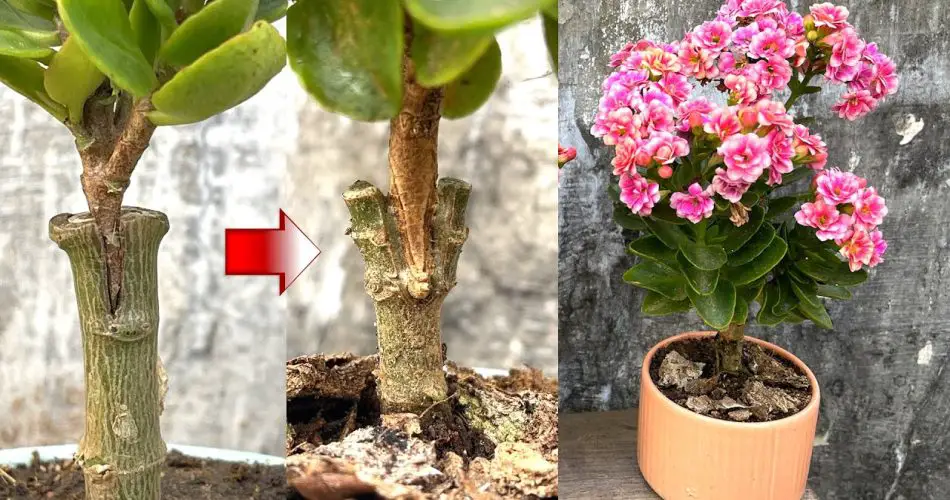
Tip grafting is a method where the tip or the top portion of a scion (a branch or shoot taken from one plant) is grafted onto a rootstock (the base plant). This technique is particularly useful for combining the traits of two plants, such as creating a new variety with the flowering characteristics of one plant and the root system of another.
Steps to Graft 2 Flowers Together
1. Choose Compatible Plants
- Select Your Plants: Choose two plants that are compatible for grafting. Ideally, they should be from the same species or closely related varieties to ensure a successful graft.
- Prepare Scion and Rootstock: For flowers, select a healthy flowering branch (scion) and a compatible plant to act as the rootstock.
2. Prepare the Grafting Tools
- Sterilize Tools: Ensure you have clean, sharp grafting knives or pruners. Sterilize them to prevent the transfer of diseases.
3. Prepare the Scion
- Cut the Scion: Take a healthy tip from the plant you want to graft. The scion should be about 4-6 inches long and have several buds.
- Make the Cut: Make a clean, angled cut at the base of the scion. This cut should match the cut on the rootstock for optimal joining.
4. Prepare the Rootstock
- Cut the Rootstock: On the rootstock, make a matching angled cut where you want to attach the scion. The cut should be clean and precise to ensure a good fit.
- Join the Scion and Rootstock: Align the cuts of the scion and rootstock so that the cambium layers (the green layer just under the bark) of both parts are in contact.
5. Secure the Graft
- Wrap the Graft: Use grafting tape or bandages to secure the scion and rootstock together. Ensure the graft is tightly bound but not too constrictive.
- Seal the Graft: Apply a grafting compound or sealant to protect the graft site from moisture and pests.
6. Care for the Grafted Plant
- Monitor Growth: Keep the grafted plant in a shaded, protected area while it heals. Water regularly but avoid overwatering.
- Remove Ties: As the graft begins to grow and integrate, gradually remove the wrapping or ties to avoid constriction.
Benefits of Tip Grafting
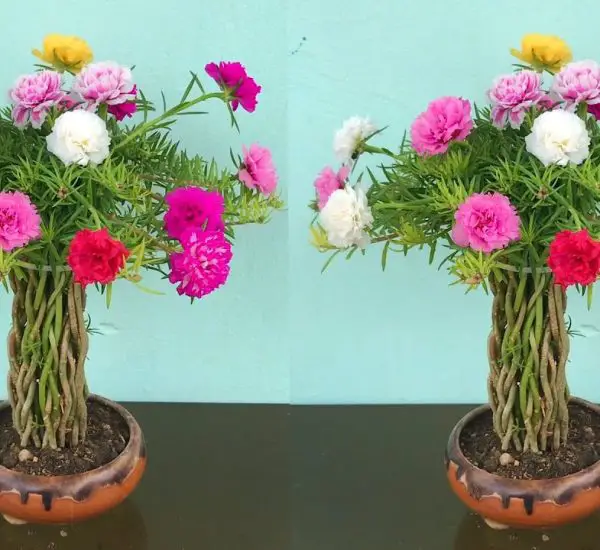
- Hybrid Varieties: Create unique hybrid plants with combined traits, such as the flowering characteristics of one plant and the hardiness of another.
- Increased Yield: Improve flower production and overall plant health by selecting the best traits from both parent plants.
- Creative Combinations: Experiment with different combinations to achieve visually stunning and innovative plant varieties.
Additional Tips
- Timing: The best time to graft is during the plant’s active growing season, typically in spring or early summer.
- Practice: Grafting can be tricky. Practice on less valuable plants to improve your skills before attempting more precious varieties.
By mastering the art of tip grafting, you can create stunning new plant varieties that combine the best features of two different flowers or trees. Whether you’re aiming for a unique floral display or improving plant health, this technique offers endless possibilities for innovation in your garden. 🌸🌳