Roses are some of the most beloved and beautiful flowers, celebrated for their stunning blooms and sweet fragrance. While traditionally planted in soil, you can also successfully grow roses without soil through water propagation. This method allows you to root rose cuttings in water, creating an easy and effective way to expand your rose garden. In this article, we’ll show you how to cut and grow roses without soil, so you can enjoy beautiful roses without the hassle of traditional planting methods.
What You’ll Need to Cut Roses Without Soil
Before you begin, gather the following materials:
- Healthy rose stem (from a mature rose bush)
- Sharp scissors or pruning shears
- A clean glass jar or vase (for water propagation)
- Clear water (distilled or tap water, if it’s non-chlorinated)
- Optional: Rooting hormone (to encourage faster root development)
- Plastic bag or clear plastic wrap (for humidity)
Steps to Cut Roses for Water Propagation
Follow these simple steps to successfully grow roses without soil:
1. Choose the Right Rose Stem
Select a healthy rose from your garden. It’s best to choose a mature stem that has recently flowered, but isn’t too old. The stem should be firm, with no signs of disease or damage. Ideally, the stem should be about 6 to 8 inches long with a few healthy leaves.
2. Make the Cut
Using sharp scissors or pruning shears, cut the rose stem just below a leaf node (where leaves emerge from the stem). Make the cut at a 45-degree angle, which increases the surface area for water absorption. Remove any flowers or buds from the cutting, as they can drain energy from the growing roots.
3. Remove Excess Leaves
Trim away any excess leaves, especially those near the bottom of the stem, so that the cutting can be placed in water without the leaves touching the surface. Leave a few leaves at the top to help the cutting continue to photosynthesize and generate energy.
4. Optional: Apply Rooting Hormone
For quicker and more robust root growth, you can dip the bottom of the stem (where you made the cut) into rooting hormone. This step is optional but can help accelerate root formation. Be sure to tap off any excess hormone before placing the cutting in water.
5. Place the Cutting in Water
Fill a clean glass jar or vase with clear water. Place the rose cutting in the jar, ensuring that the cut end is submerged in water, but the leaves are above the water line. This is important because the stem needs to be in contact with the water to root, but the leaves should remain dry to avoid rotting.
6. Create a Humid Environment
To encourage rooting, cover the cutting with a clear plastic bag or wrap the top of the jar with plastic wrap to maintain a humid environment. This will help prevent the cutting from drying out while the roots develop.
7. Place in a Bright, Indirect Light Spot
Find a location for your jar where the cutting will receive bright, indirect light. Avoid placing it in direct sunlight, as this can cause the water to heat up and harm the cutting. Ideally, place the jar near a window where it will get plenty of light but not be exposed to harsh sun rays.
8. Change the Water Regularly
It’s essential to change the water every 2-3 days to ensure that the cutting gets fresh nutrients and oxygen. This helps prevent the growth of bacteria and mold that can hinder the rooting process.
When Will Roots Appear?
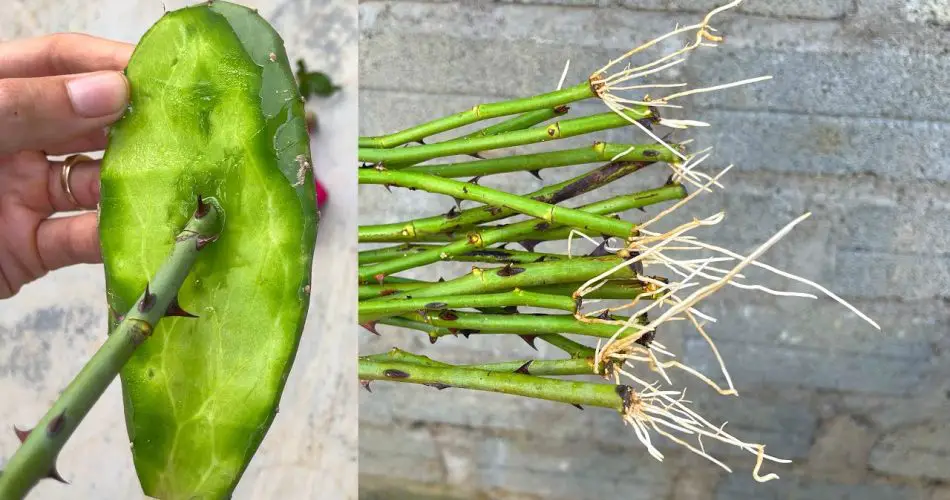
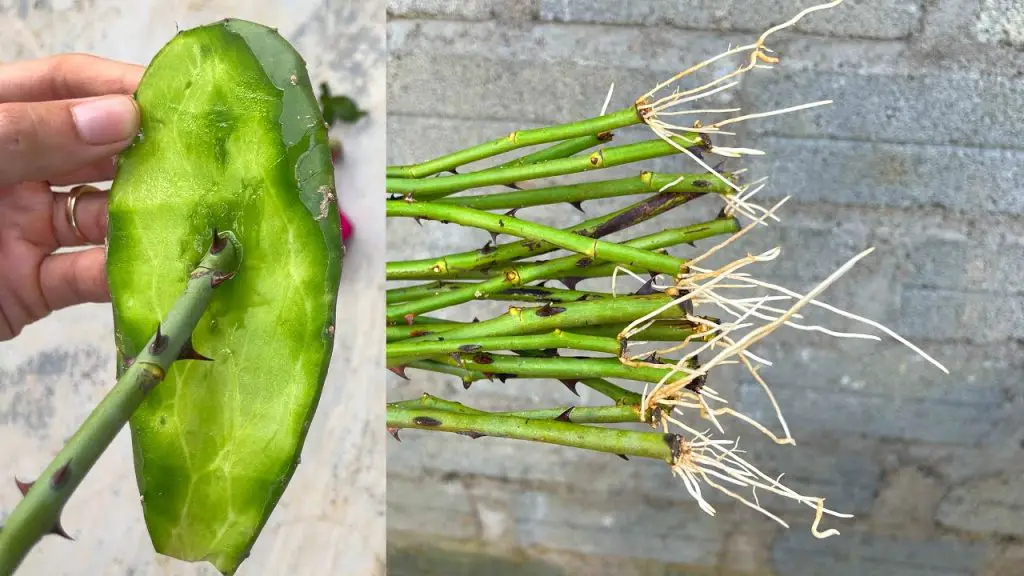
Typically, roots will begin to form in 2-4 weeks, depending on the temperature and humidity conditions. Be patient and observe the progress. Once the roots are at least 2 inches long, the cutting is ready to be transplanted into the soil, or you can keep it in the water as a decorative plant.
Transplanting the Rose Cutting Into Soil
After successful rooting, you can transplant your rose cutting into a pot with well-draining soil. Make a hole in the soil with your finger or a stick, and carefully place the rooted cutting into the soil. Gently pat the soil around the base to secure the cutting.
Water the newly planted cutting thoroughly, and keep it in a bright spot to continue its growth. Over time, it will establish itself and start producing new shoots, eventually growing into a full rose plant.
Benefits of Growing Roses Without Soil
Growing roses through water propagation offers several advantages:
- Easy Monitoring: You can observe the root development in real-time, making it easier to determine the health of the cutting.
- Less Mess: Growing roses without soil is a cleaner, more convenient option for those who want to propagate indoors or in small spaces.
- Cost-Effective: This method allows you to expand your rose collection without purchasing additional plants.
- Sustainable: Reusing water for propagation reduces waste and uses fewer resources than planting in soil.
Conclusion
Cutting and growing roses without soil is a simple and rewarding way to propagate these beautiful flowers. By following the steps outlined above, you can easily root rose cuttings in water and enjoy stunning blooms in your garden or home. Whether you want to expand your rose collection or give new life to old rose bushes, this method will help you achieve success with minimal effort. Happy gardening!