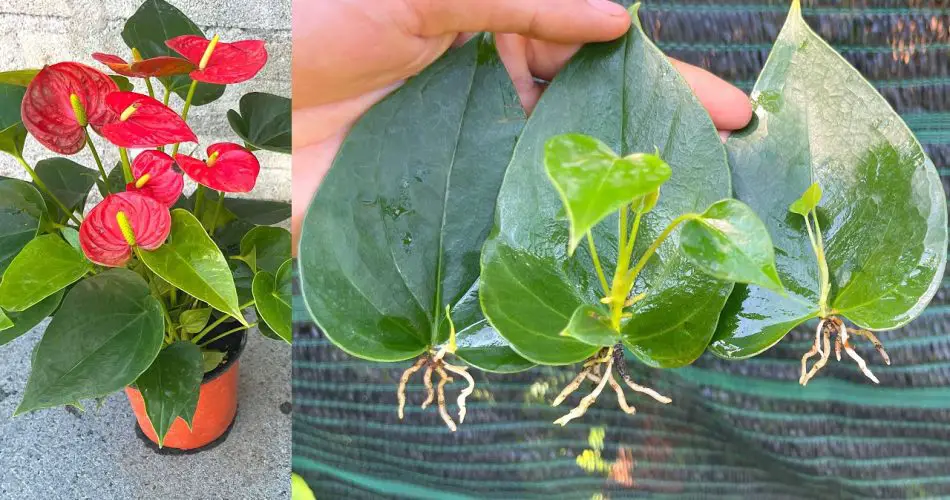
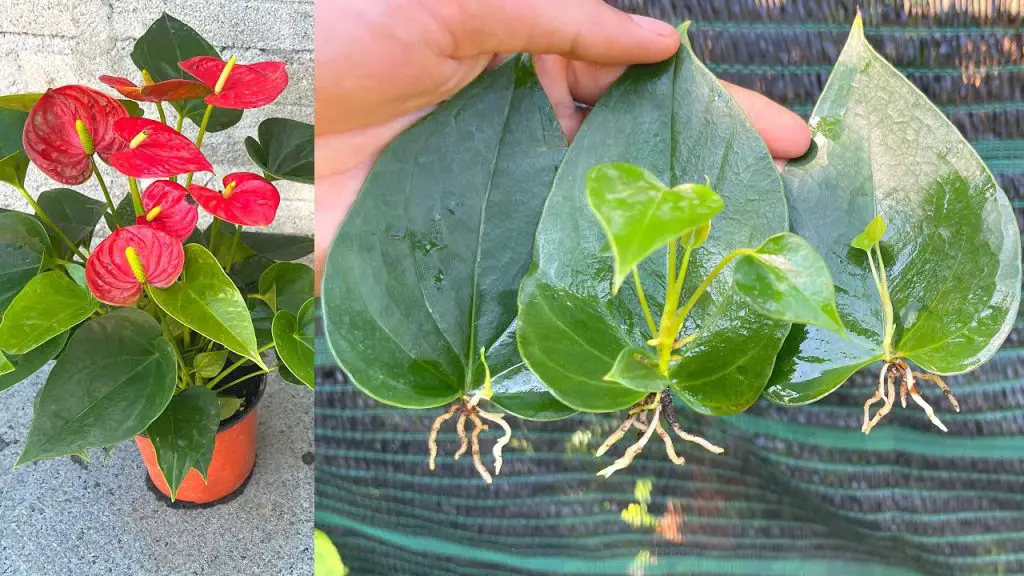
Anthurium plants, often known for their striking red spathes, can be just as stunning for their glossy, dark green leaves. These plants are a favorite among gardeners due to their ability to thrive in indoor environments and their relatively low-maintenance care. If you’re looking to grow healthy, lush Anthurium leaves, here are some essential tips for keeping your plant in top condition.
Why Focus on Anthurium Leaves?
While the flowers of an Anthurium are often the star of the show, the leaves play an important role in the plant’s overall health. Lush, vibrant leaves not only contribute to the plant’s beauty but also help with photosynthesis, allowing the plant to produce energy and grow strong. Healthy leaves are a sign of a well-cared-for Anthurium!
What You’ll Need
- Well-draining potting mix (preferably with peat moss, perlite, and bark)
- A pot with drainage holes
- Fertilizer (balanced, water-soluble)
- A spray bottle for misting
- Grow light (if necessary)
1. Light Requirements for Healthy Leaves
Anthuriums thrive in bright, indirect light. Direct sunlight can scorch their leaves, causing brown spots or edges. If your plant isn’t getting enough light, the leaves might turn yellow and lose their vibrancy. Here are some lighting tips:
- Place your Anthurium near a north- or east-facing window to ensure indirect sunlight.
- If growing indoors in low-light conditions, consider using a grow light to supplement natural light.
2. Optimal Watering for Lush Leaves
Anthuriums prefer to be watered when the top inch of the soil feels dry. Overwatering or letting the plant sit in water can lead to root rot, while underwatering can cause leaf yellowing. Here’s how to keep your watering routine in check:
- Water thoroughly, allowing excess water to drain from the pot.
- Avoid letting the plant sit in water, as it can cause the roots to suffocate.
- Mist the leaves with a spray bottle if you live in a dry climate or if the air indoors is particularly arid. This will help maintain humidity and prevent leaf curling or brown tips.
3. Humidity is Key for Anthurium Leaves
Anthuriums thrive in high humidity. Dry air can cause their leaves to become crispy or develop brown spots. Here are some ways to maintain the right level of moisture in the air:
- Place a humidifier near your plant, especially in the winter when indoor air tends to be dry.
- Alternatively, you can place the plant on a pebble tray filled with water to help increase humidity around the leaves.
4. Fertilizing for Strong, Healthy Leaves
To promote lush green leaves, it’s important to provide your Anthurium with regular feeding. Use a balanced fertilizer that’s rich in nitrogen, as this encourages healthy leaf growth. Here’s how to fertilize your plant properly:
- Fertilize once a month during the growing season (spring and summer).
- Dilute the fertilizer to about half strength to avoid overfeeding, which can damage the roots.
- Reduce fertilizing during the fall and winter, when the plant’s growth slows down.
5. Repotting for Healthy Roots and Leaves
As your Anthurium grows, it may need to be repotted into a larger container to provide enough room for its roots to spread. Repotting helps maintain the health of both the roots and the leaves. Here’s how to do it:
- Repot your Anthurium every 1-2 years or when the roots have outgrown the current pot.
- Ensure that the new pot has drainage holes and is just 1-2 inches larger than the previous pot.
- Use a well-draining potting mix designed for tropical plants, such as one containing peat moss, perlite, and bark.
6. Pruning and Cleaning the Leaves
Keep your Anthurium looking its best by regularly pruning and cleaning its leaves. This will help prevent the buildup of dust and improve the plant’s aesthetic appeal. Here’s what to do:
- Use clean scissors to remove any yellow or dead leaves, which can make the plant look unhealthy.
- Gently wipe down the leaves with a damp cloth to remove dust and keep them looking shiny.
7. Common Problems with Anthurium Leaves and How to Fix Them
- Yellowing Leaves: This can be caused by overwatering, underwatering, or insufficient light. Ensure you’re following the proper care guidelines for water and light.
- Brown Leaf Tips: Brown tips are often a sign of low humidity or over-fertilization. Increase humidity and reduce fertilizer if needed.
- Wilting Leaves: If the leaves are wilting, it could be a sign of root rot or underwatering. Check the soil moisture and ensure the plant is not sitting in water.
The Results
With the right care, your Anthurium will reward you with lush, green leaves that complement its beautiful blooms. By following these simple tips, you’ll ensure that your plant stays healthy and continues to thrive for years to come.
Why It Works
Anthuriums thrive in conditions that mimic their native tropical environment, including bright light, high humidity, and well-draining soil. Proper watering, fertilization, and regular maintenance all contribute to healthy, vibrant leaves, which are an essential part of the plant’s overall health.