Growing apricot trees with healthy, lush leaves and successfully breeding impatiens are two rewarding gardening tasks that can add beauty and abundance to your garden. Both plants offer unique challenges and rewards, but with the right care and knowledge, you can achieve success. Let’s explore how to grow apricot trees and propagate impatiens, ensuring a thriving and colorful garden.
Growing Apricot Trees with Healthy Leaves
Apricot trees (Prunus armeniaca) are a delightful addition to any garden, providing sweet fruits and beautiful foliage. However, to get the best results, it’s important to understand the growing conditions that will encourage the apricot tree to thrive, particularly its leaves, which are vital for photosynthesis and overall tree health.
1. Choose the Right Location
For your apricot tree to grow healthy leaves, it requires a sunny location. Apricot trees love full sunlight and need at least 6 hours of direct sun each day to promote strong leaf development and fruit production.
- Location Tips: Select a spot with good air circulation, as apricot trees are prone to fungal diseases, which can affect their leaves.
- Soil Requirements: Apricot trees prefer well-drained, sandy loam soil. Ensure the soil is slightly alkaline, as apricots don’t do well in acidic soil.
2. Watering the Apricot Tree
Watering your apricot tree properly is crucial for promoting healthy leaf growth. Too much water can cause root rot, while too little can lead to dry, shriveled leaves.
- Watering Tips: Water the tree deeply during dry periods, but ensure the soil drains well. Drip irrigation is ideal for providing consistent moisture to the roots.
- Avoid Overwatering: Allow the soil to dry out between watering to prevent the roots from sitting in moisture.
3. Fertilizing for Healthy Leaves
Fertilizing your apricot tree can help boost leaf growth and support the tree’s overall health. Use a balanced fertilizer that is rich in nitrogen, which encourages leaf production.
- Fertilizer Tips: Apply a slow-release, organic fertilizer in the spring before the growing season begins, and consider a second feeding after fruiting to support new growth.
4. Pruning the Tree
Pruning your apricot tree helps to maintain its structure and remove any dead or diseased branches, which can negatively impact the health of the leaves.
- Pruning Tips: Prune the apricot tree in early spring before the leaves emerge. Remove any branches that are dead, diseased, or crossing one another. This will encourage better airflow and healthier leaves.
5. Dealing with Pests and Diseases
Apricot trees are susceptible to several pests and diseases that can damage their leaves, such as aphids, leaf spot, and powdery mildew.
- Pest Control Tips: Use organic pest control methods like neem oil or insecticidal soap to keep pests at bay. Remove any infected leaves immediately to prevent the spread of disease.
Breeding Impatiens: How to Propagate and Grow New Plants
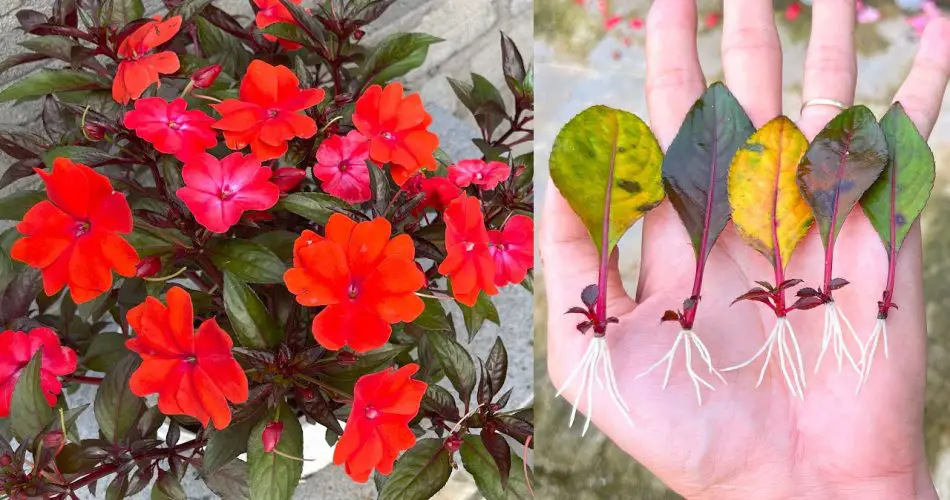
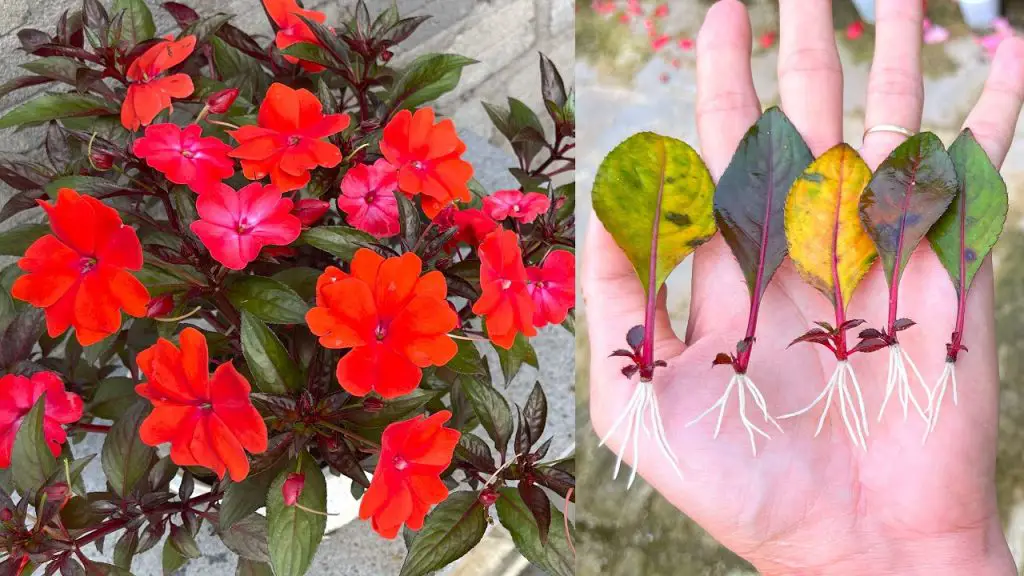
Impatiens are one of the most popular flowering plants in gardens, known for their vibrant colors and ability to thrive in shaded areas. Breeding impatiens can be done easily through cuttings, allowing you to propagate new plants from your existing ones. Here’s a step-by-step guide on how to propagate impatiens successfully.
1. Select Healthy Impatiens Plants for Breeding
Choose a healthy impatiens plant that is free from diseases and pests. Impatiens can be propagated from stem cuttings taken from a mature plant during the growing season.
- Choosing the Best Cuttings: Select stems that are young and healthy, preferably with no flowers or buds, as these will focus more energy on developing roots.
2. Taking Cuttings from the Plant
Cutting propagation is a quick and effective way to grow new impatiens plants.
- Cutting Tips: Using a sharp, clean pair of scissors or pruning shears, cut a 4–6 inch section from the stem just below a leaf node. Remove the lower leaves, leaving a couple of leaves at the top.
- Rooting Hormone: Dip the cut end of the stem in rooting hormone to encourage faster root development. This is optional, but it can significantly improve your success rate.
3. Preparing the Growing Medium
Choose a well-draining potting mix for your cuttings. You can use a mixture of peat moss and perlite or a pre-made potting soil designed for cuttings.
- Soil Tips: Fill small pots or containers with the mix, ensuring it is moist but not soaking wet.
4. Planting the Cuttings
Insert the cut end of the impatiens stem into the soil mix, burying it about 2 inches deep. Gently firm the soil around the cutting to ensure it stands upright.
- Cutting Placement: Place the pots in a warm, bright location out of direct sunlight. A greenhouse or a plastic bag covering the pot can help maintain humidity, which is important for root development.
5. Caring for the Cuttings
Keep the soil moist but not waterlogged, and provide indirect light. In about 2–4 weeks, the cuttings will begin to develop roots. At this point, you can transplant them into larger pots or directly into your garden.
- Care Tips: Once roots have formed, you can gradually acclimate the new impatiens to outdoor conditions if you plan to plant them in the garden. If keeping them in pots, continue providing regular watering and fertilization to encourage robust growth.
6. Transplanting to the Garden
After the new impatiens plants have rooted and grown strong, you can transplant them into your garden or larger containers. Impatiens thrive in shady areas, so choose a spot that receives filtered sunlight or indirect light for best results.
- Transplant Tips: Make sure the planting area has rich, well-drained soil, and water the new plants well after transplanting to help them settle in.
Conclusion
Growing apricot trees with healthy leaves and successfully breeding impatiens are two fantastic gardening projects that anyone can try. Apricot trees require attention to their location, watering, and soil conditions to ensure vibrant foliage and fruitful harvests. Meanwhile, impatiens are relatively easy to propagate from cuttings, and they add beautiful color to shaded areas in your garden. Whether you’re a novice or experienced gardener, these two plants will bring joy and beauty to your space, offering both ornamental value and the satisfaction of nurturing life. Happy gardening!