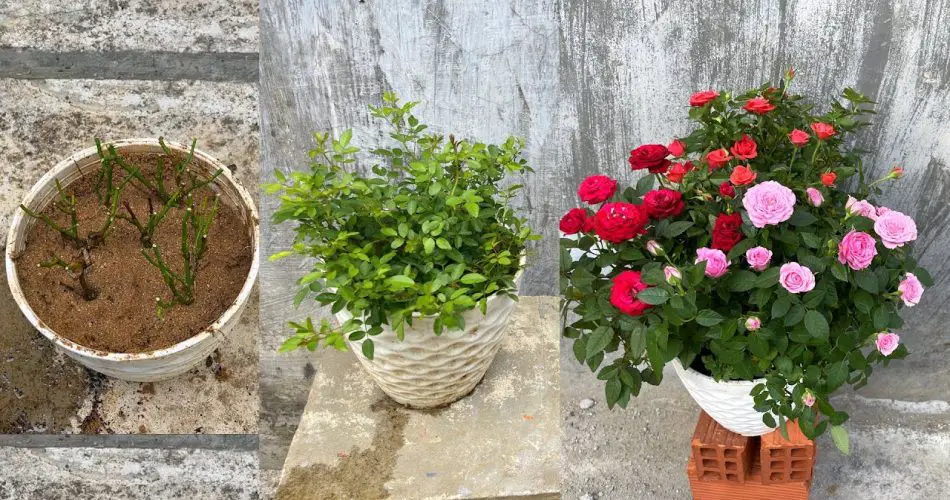
Roses are known for their beauty and fragrance, but like all plants, they require proper care to thrive. If you have an abandoned rose pot sitting in your garden or on your balcony, don’t worry—reviving your roses is possible! With the right care and a few essential steps, you can restore your roses to their former glory. Here’s a comprehensive guide on changing pots and taking care of abandoned rose pots to help them flourish once again.
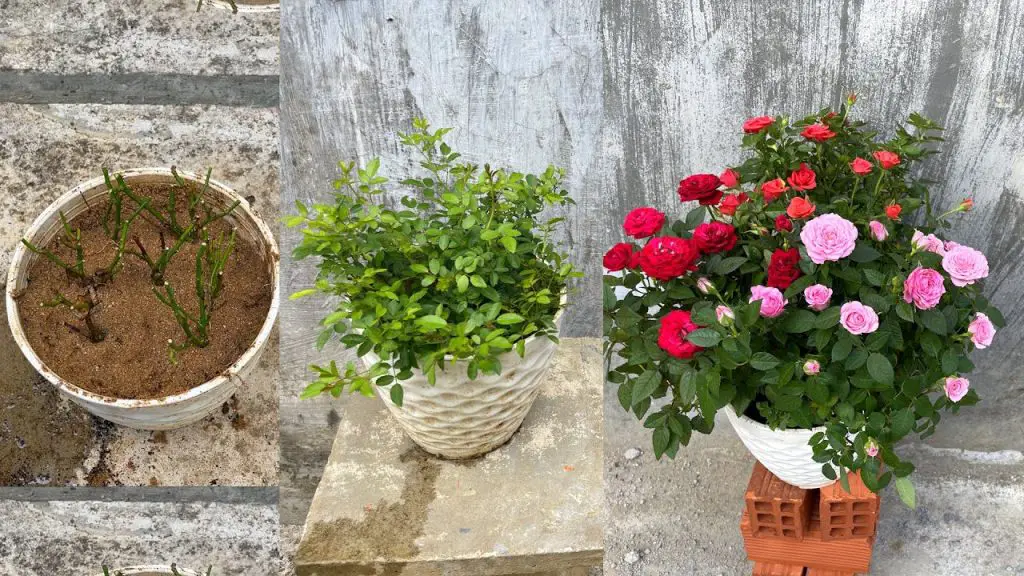
1. Assess the Condition of the Abandoned Rose Pot
Before you start taking any action, it’s important to evaluate the current condition of the rose plant in the abandoned pot.
Signs Your Rose Pot Needs Attention:
- Dry or Yellowing Leaves: This could indicate a lack of water or nutrients.
- Root Bound: If the roots are growing out of the drainage holes or circling around the pot, the rose needs a larger container.
- Stunted Growth or No Blooms: If your rose isn’t growing well or producing flowers, it may be struggling with its current growing conditions.
Once you’ve assessed the condition, you can proceed with the following steps to give your rose a fresh start.
2. Changing the Pot of the Rose
If your rose plant has outgrown its current pot, it’s time to repot it into a larger container. Changing pots helps give the rose more room to grow, encourages better root development, and provides fresh soil for the plant to thrive.
How to Repot a Rose:
- Choose the Right Pot: Select a pot that is 2-3 inches larger in diameter than the current pot. Make sure it has good drainage holes to prevent waterlogging, which can lead to root rot.
- Prepare the New Pot: Add a layer of fresh, well-draining potting mix at the bottom of the new pot. You can use a mix designed for roses or create your own by combining garden soil, compost, and perlite for better drainage.
- Remove the Rose from the Old Pot: Gently loosen the soil around the rose roots and carefully take the plant out of the old pot. If the roots are tangled or root-bound, gently prune them with clean scissors to encourage new growth.
- Place the Rose in the New Pot: Position the rose in the center of the new pot, making sure the base of the plant sits at the same level as it did in the old pot. Fill the remaining space with fresh potting mix, pressing it down lightly to secure the plant in place.
- Water Thoroughly: After repotting, give the rose a good watering to help it settle into its new pot. Ensure the water drains well from the bottom of the pot.
3. Provide Proper Care After Changing the Pot
Once your rose has been repotted into a new container, it will need extra care to ensure it adapts to its new environment.
Care Tips for Roses After Repotting:
- Watering: Roses need consistent moisture, but the soil should not stay soggy. Water the plant deeply when the top inch of soil feels dry to the touch. Make sure the pot has good drainage to avoid waterlogged roots.
- Fertilization: After repotting, your rose will benefit from a balanced fertilizer. Choose a fertilizer that is specifically formulated for roses and apply it according to the instructions on the label. You can also use organic compost for a more natural boost.
- Light: Roses need full sun to thrive, so place the newly potted rose in a location where it will receive at least 6 hours of direct sunlight each day. If growing indoors, place it near a bright window.
- Humidity and Temperature: Roses prefer a moderate temperature between 60°F and 70°F (15°C and 21°C). If you’re growing them indoors, ensure the environment isn’t too hot or drafty.
4. Pruning and Deadheading for Healthier Growth
Roses benefit from pruning to encourage new growth and remove any dead or diseased stems. After changing the pot, it’s a good idea to prune your rose to help it adjust and promote a healthier, bushier shape.
Pruning Tips:
- Cut Dead or Damaged Stems: Remove any dead or unhealthy branches to encourage the plant to focus its energy on healthy growth.
- Shape the Rose: Trim any long, spindly branches to create a more compact, balanced shape. This will also help air circulate better around the plant, preventing disease.
- Deadheading: Remove spent blooms regularly to encourage the rose to produce more flowers.
5. Monitor for Pests and Diseases
Roses can be susceptible to various pests and diseases, especially if they’ve been neglected for a while. Regularly check for signs of pests such as aphids, spider mites, or black spot disease.
How to Manage Pests and Diseases:
- Inspect the Leaves: Check for holes or discoloration, which can indicate pest infestations.
- Use Natural Pest Control: To treat minor pest issues, try using neem oil or insecticidal soap. For fungal diseases, remove affected leaves and use an anti-fungal spray.
- Preventive Care: Keep the rose’s environment clean and avoid overcrowding other plants to reduce the risk of pest and disease problems.
6. Repotting Frequency
While you’ve repotted your rose once, keep in mind that roses should be repotted every 2-3 years or when they outgrow their pots. This will ensure they have enough space for healthy root development and continued growth.
Conclusion
Taking care of abandoned rose pots and changing pots is a rewarding task that can help revive your roses and bring them back to life. With proper care, the right potting mix, and attention to watering, light, and pruning, your roses will thrive in their new environment. Whether you’re rescuing a neglected plant or simply giving your rose a fresh start, the effort will be worth it when you see your roses bloom beautifully once again. Happy gardening!