Growing begonias from leaves is a fun and rewarding way to propagate these beautiful plants, and it’s especially effective for varieties like the Begonia Brevirimosa. With the right techniques, you can turn a single leaf into a whole new plant. This guide will walk you through the steps to propagate Begonia Brevirimosa and care for it as it grows into a healthy, blooming beauty.
What Makes Begonia Brevirimosa Special?

Before we dive into the propagation process, it’s important to understand why Begonia Brevirimosa is such a special plant to grow. Known for its unique foliage and compact size, this begonia variety thrives in indirect light and is relatively low-maintenance. Its vibrant leaves and occasional blooms make it a standout in any indoor garden.
Steps to Grow Begonias from Leaves
You don’t need to be an expert gardener to propagate begonias from leaves. Follow these simple steps to start growing your Begonia Brevirimosa from a single leaf:
1. Select a Healthy Leaf
- Choose a mature, healthy leaf from your Begonia Brevirimosa. Make sure it is free from pests or diseases and has no visible damage.
- Cut the leaf from the main stem using sterile scissors or pruning shears. Aim to select a leaf with a strong central vein, as this will promote better growth.
2. Cut the Leaf into Sections
- Once you have your leaf, you’ll need to cut it into smaller sections. Each section should have at least one main vein running through it.
- Cut the leaf into 4-6 pieces, ensuring that each piece has a vein running from top to bottom. These vein sections will eventually develop into new plants.
3. Prepare the Soil
- Prepare a well-draining potting mix for your begonia cuttings. A mix designed for indoor plants or cacti works well, as it allows water to pass through without holding too much moisture.
- Fill a small container or tray with the potting mix, leaving some space at the top for watering.
4. Insert the Leaf Sections
- Place each leaf section on the surface of the soil with the vein-side down. You can gently press the edges of the leaf into the soil to ensure they make good contact, but don’t bury them too deep.
- Water the soil lightly, ensuring that it’s moist but not soaking wet. This will help the leaf sections begin to root and grow.
5. Create a Humid Environment
- To encourage rooting, cover the container with a clear plastic lid or plastic wrap. This will help retain moisture and create a humid environment, which is crucial for the begonia cuttings to thrive.
- Keep the container in a warm, bright location with indirect sunlight. Avoid placing it in direct sun, as this can overheat the cutting and cause it to dry out.
6. Wait for Roots to Form
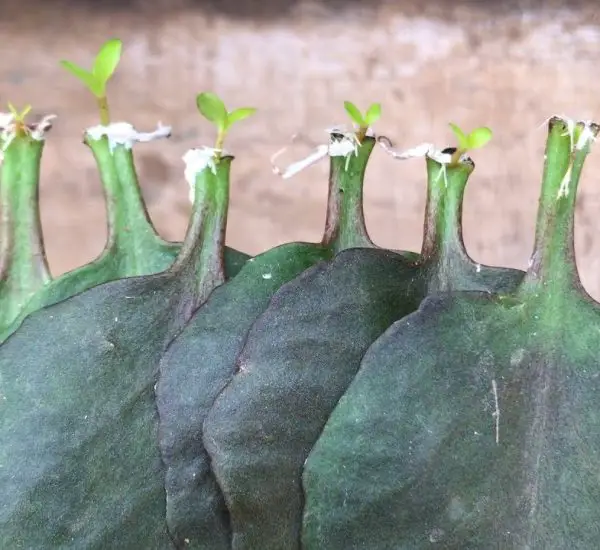
- In a few weeks, you should start to see roots forming on the leaf sections. Be patient, as this process can take anywhere from 3-6 weeks, depending on the temperature and humidity.
- Once you notice that the cuttings have developed healthy roots, you can start removing the plastic cover to help the new plants acclimate to normal humidity levels.
7. Transplant the New Begonias
- After a few months, when the cuttings have grown enough roots and small shoots, it’s time to transplant them into individual pots.
- Use a similar well-draining soil mix to the one you used for propagation and gently transplant the rooted leaf sections into their new pots.
- Water them thoroughly and place them in a location with bright, indirect light.
Caring for Your New Begonia Brevirimosa Plants
Now that your Begonia Brevirimosa plants have been successfully propagated, it’s time to care for them to ensure they grow strong and healthy:
1. Watering
- Keep the soil moist but never waterlogged. Water your begonia when the top inch of the soil feels dry to the touch. Ensure the pot has good drainage to avoid root rot.
2. Light
- Begonias prefer indirect sunlight. Place them in a spot with bright, filtered light to encourage healthy growth without burning the leaves.
3. Temperature and Humidity
- Begonia Brevirimosa thrives in warm temperatures, typically between 65-75°F (18-24°C). It also enjoys high humidity, so consider placing your plant on a humidity tray or occasionally misting it.
4. Fertilizing
- Fertilize your begonias every 4-6 weeks during the growing season using a balanced, water-soluble fertilizer. This will help promote healthy leaf and flower growth.
Conclusion
Growing Begonia Brevirimosa from leaves is an easy and rewarding process that allows you to propagate new plants and enjoy this beautiful variety in your garden or home. By following the steps above, you can successfully grow new begonias from leaf cuttings and watch them flourish into full, healthy plants.
With a little patience and care, your Begonia Brevirimosa will reward you with stunning foliage and an elegant, lush appearance. Happy planting!