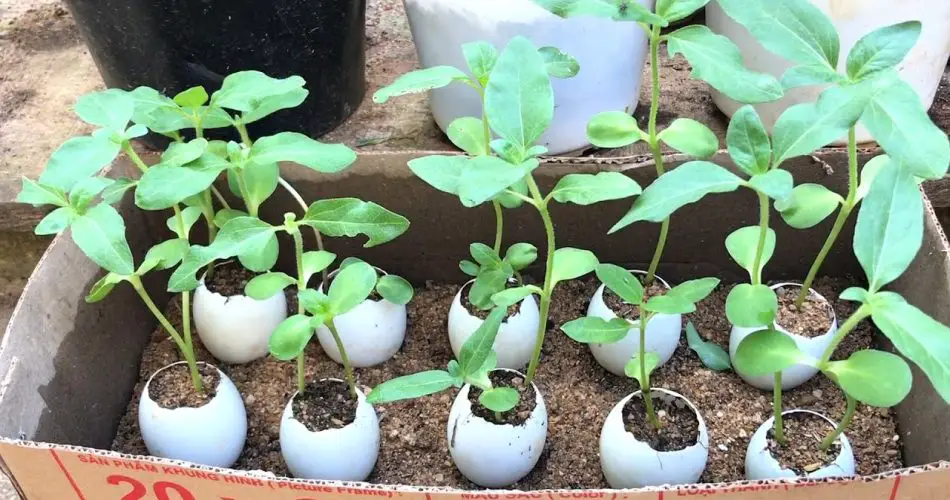
If you’re looking for an easy and eco-friendly way to grow sunflowers, using recycled eggshells is a fantastic option. Not only does this method help you reduce waste, but it also provides your sunflower seeds with the perfect start for healthy, strong growth. In this article, we’ll guide you through how to grow sunflowers in eggshells, which provide natural nutrients for the plants and are an excellent choice for starting your garden in a sustainable way.
Why Use Eggshells for Sunflower Growth?
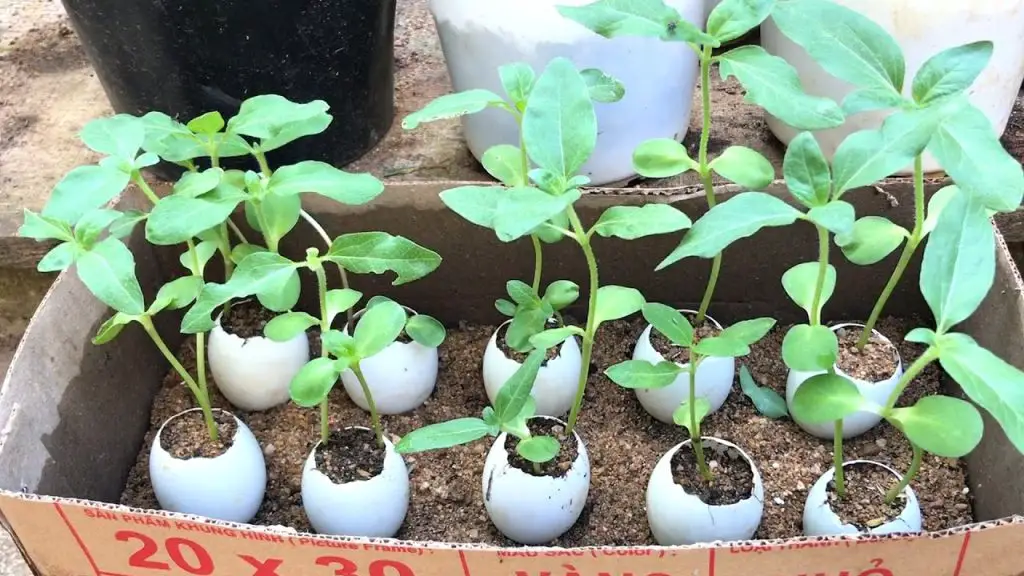
Eggshells are often discarded as waste, but they can actually be very beneficial for plants. Here’s why they make a great choice for sunflower planting:
- Rich in Calcium: Eggshells are packed with calcium, which is essential for strong cell walls in plants, including sunflowers.
- Natural Fertilizer: As they break down, eggshells release trace minerals and nutrients, making them a natural, slow-release fertilizer.
- Environmentally Friendly: Using eggshells helps reduce waste, making it a more sustainable option for gardening.
- Easy to Handle: Eggshells are lightweight, easy to collect, and easy to use without much hassle.
Materials You’ll Need:
To start growing your sunflowers in eggshells, here’s what you’ll need:
- Empty eggshells (one for each sunflower seed)
- Sunflower seeds
- Potting soil or seed-starting mix
- Water
- Tray or container to hold the eggshells
- Spray bottle or small watering can
- Sunny spot for growth
Step-by-Step Guide to Growing Sunflowers in Eggshells
Step 1: Prepare the Eggshells
- Clean the eggshells: After you’ve cracked your eggs, carefully rinse out the shells to remove any leftover egg residue. You can also crush the eggshells slightly to make them easier to work with.
- Make holes: Use a needle or small pin to make a hole in the bottom of the eggshell. This ensures that excess water can drain and prevent the roots from becoming waterlogged.
Step 2: Fill the Eggshells with Soil
- Fill each eggshell with potting soil or seed-starting mix. The soil should be light, well-draining, and rich in organic matter. Leave about half an inch from the top of the shell for the sunflower seed.
- Gently pat the soil down to remove any air pockets, but don’t compact it too much.
Step 3: Plant the Sunflower Seed
- Take a sunflower seed and press it gently into the soil, about 1 inch deep. If you’re planting multiple seeds, make sure to space them out evenly within their shells.
- Cover the seed with a little more soil, making sure it’s completely covered.
Step 4: Watering the Seeds
- Water the sunflower seeds gently with a spray bottle or a small watering can to avoid disturbing the seed. The soil should be moist but not soggy.
- Keep the soil moist throughout the germination process, which usually takes 7 to 10 days depending on the variety of sunflower.
Step 5: Place in a Sunny Spot
- After planting, place the eggshells in a tray or shallow container and put them in a sunny spot. Sunflowers thrive in full sun, so ensure they get at least 6 hours of sunlight per day.
- If needed, you can use a plastic dome or clear plastic cover to create a mini greenhouse, helping to keep the humidity levels higher and encouraging germination.
Step 6: Transplanting Sunflower Seedlings
- Once the seedlings start to grow and have strong roots (usually after 2-3 weeks), they can be transplanted into a larger container or directly into your garden.
- Simply plant the entire eggshell into the ground or larger container. The eggshell will break down over time, releasing nutrients into the soil and acting as a natural fertilizer.
Tips for Growing Sunflowers in Eggshells
- Use a Tray: Since eggshells are fragile, use a tray to prevent them from tipping over and spilling the soil. You can also use egg cartons to keep the shells upright.
- Ensure Good Drainage: Make sure the hole at the bottom of the eggshell is large enough for water drainage. Without drainage, the roots could rot.
- Temperature: Sunflowers like warmth. Keep your seedlings in a warm location (around 70°F or 21°C) until they’re ready to be moved outside.
- Don’t Overwater: Sunflower seeds need moist soil but not soaking wet conditions. Too much water can cause the seeds to rot, so be careful not to overwater.
- Use Fresh Sunflower Seeds: For the best results, use fresh sunflower seeds from a reputable source to ensure strong, healthy plants.
Conclusion
Growing sunflowers in recycled eggshells is an excellent way to start your sunflower garden in an eco-friendly and cost-effective way. By using these natural fertilizers and offering your sunflower seeds a healthy start, you can enjoy vibrant, beautiful flowers in your garden while contributing to a greener planet. So, gather your eggshells, plant your seeds, and get ready to see your sunflowers bloom! 🌻