Creating organic compost at home is one of the best ways to enrich soil, boost plant growth, and reduce waste. Surprisingly, common kitchen scraps like yogurt, banana peels, and worms can be transformed into a nutrient-rich fertilizer that improves plant health naturally. This eco-friendly method is easy, cost-effective, and perfect for home gardening enthusiasts.
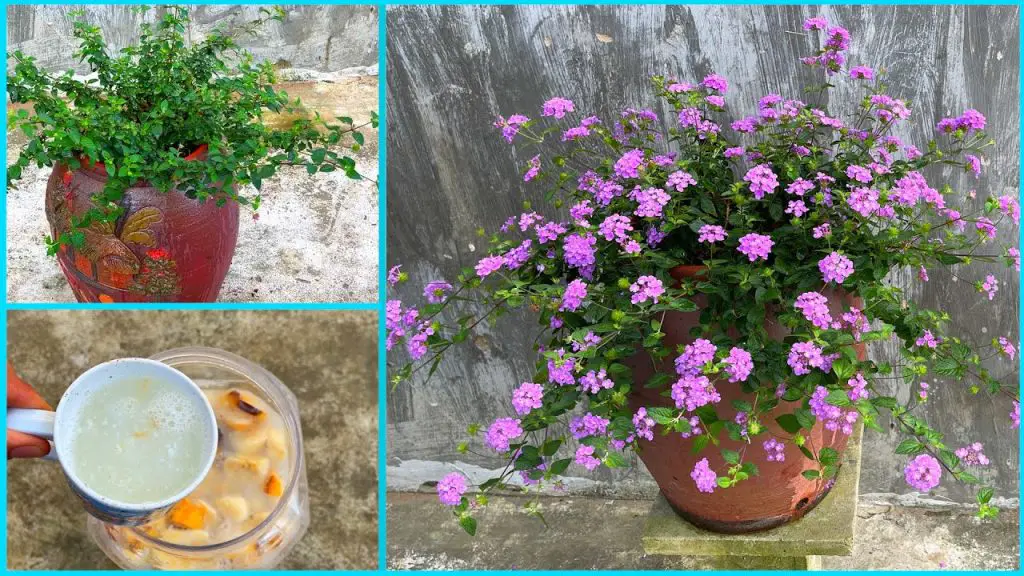
Why Use Yogurt, Banana Peels, and Worms for Compost?
Each of these ingredients plays a unique role in creating high-quality compost:
- Yogurt: Contains beneficial bacteria that help break down organic matter and enrich the soil with probiotics, boosting plant immunity and root strength.
- Banana Peels: Packed with potassium, phosphorus, and calcium, which promote flowering, fruit development, and overall plant health.
- Worms: Essential for vermicomposting, worms break down organic materials into nutrient-rich worm castings, which are an excellent natural fertilizer.
By combining these elements, you create a powerful organic fertilizer that enhances soil fertility and encourages healthy plant growth.
How to Make Compost Using Yogurt, Banana Peels, and Worms
Materials Needed:
✅ Overripe banana peels
✅ 1 cup of plain yogurt (avoid flavored or sweetened varieties)
✅ Earthworms (red wigglers work best)
✅ Garden soil or compost bin
✅ A small container or compost pile
Step 1: Prepare the Banana Peels
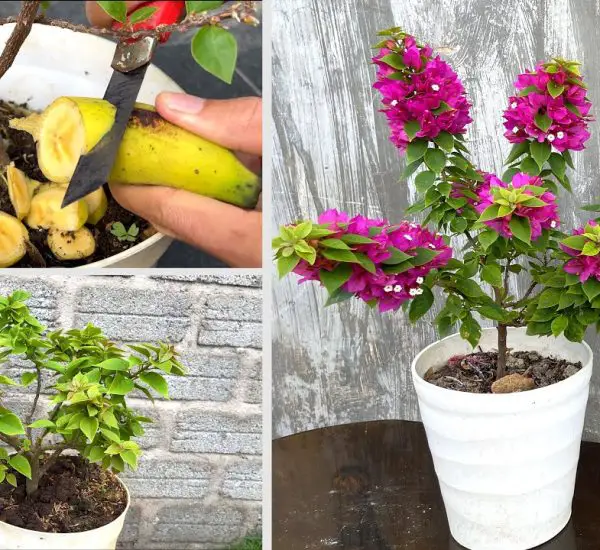
Chop the banana peels into small pieces to speed up decomposition. These peels contain essential nutrients that enrich the soil and provide food for the worms.
Step 2: Add Yogurt for Beneficial Bacteria
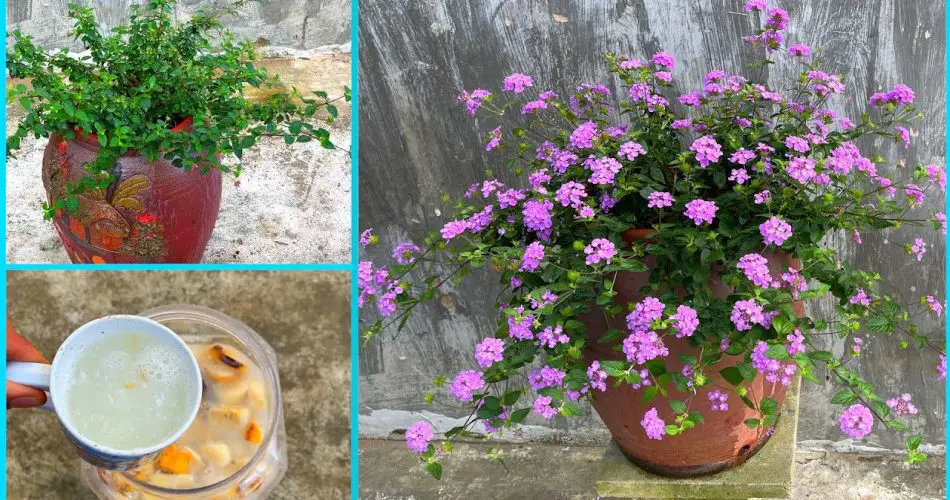
Mix 1 cup of yogurt with the chopped banana peels. The natural probiotics in yogurt accelerate the composting process by breaking down organic matter faster. The good bacteria also improve soil quality and root development.
Step 3: Introduce the Worms
If you are using a vermicompost bin, place the mixture in the compost pile and introduce earthworms. They will consume the organic waste and turn it into nutrient-rich worm castings, which improve soil texture and moisture retention.
If you don’t have a worm bin, you can simply bury the mixture in the soil. Over time, microorganisms and existing earthworms in the ground will help decompose the material.
Step 4: Let It Decompose
Cover the compost with a thin layer of soil or dry leaves to maintain moisture and promote decomposition. Within 2 to 3 weeks, you will notice the mixture breaking down into dark, fertile compost that is ready to nourish your plants.
How to Use Your Organic Fertilizer
Once your compost is fully decomposed, you can use it in several ways:
🌱 Mix it into potting soil to give seedlings a strong start.
🌿 Sprinkle it around the base of plants as a natural fertilizer.
🌼 Use it for flowering plants and fruit trees to boost bloom and fruit production.
This homemade compost not only reduces food waste but also enhances plant growth without harmful chemicals.
Final Thoughts: A Simple and Effective Way to Enrich Your Soil
Using yogurt, banana peels, and worms to create compost is a sustainable and cost-effective way to make your garden thrive. This natural fertilizer is rich in nutrients, microbes, and organic matter, making it an excellent choice for organic gardening. Try this easy method today and watch your plants grow healthier and stronger! 🌿✨