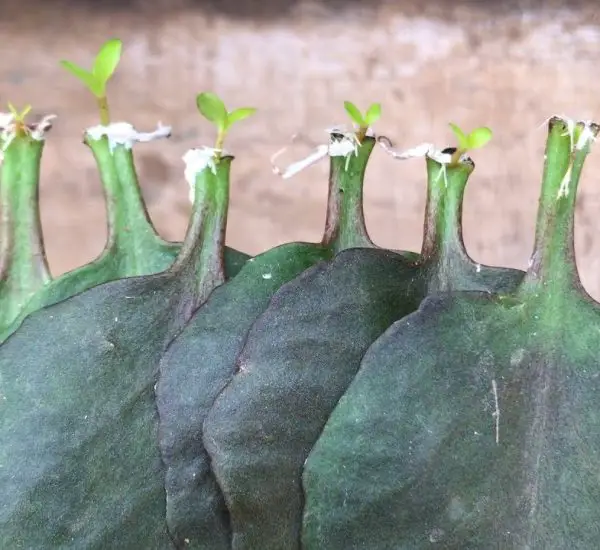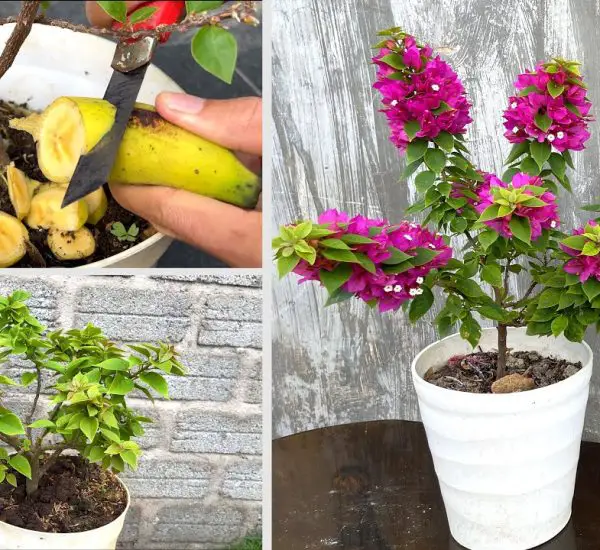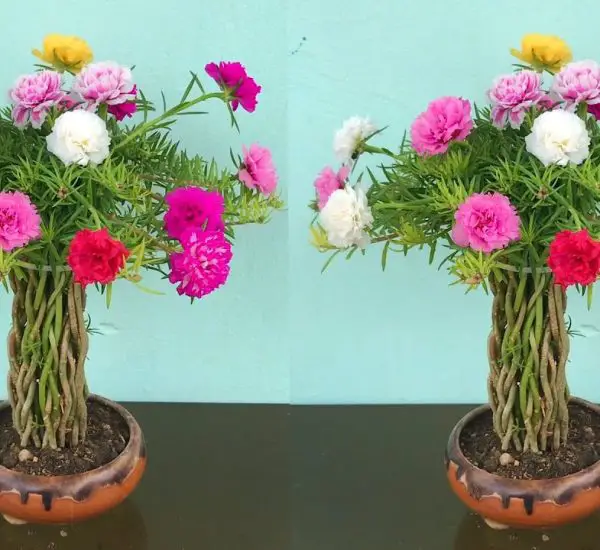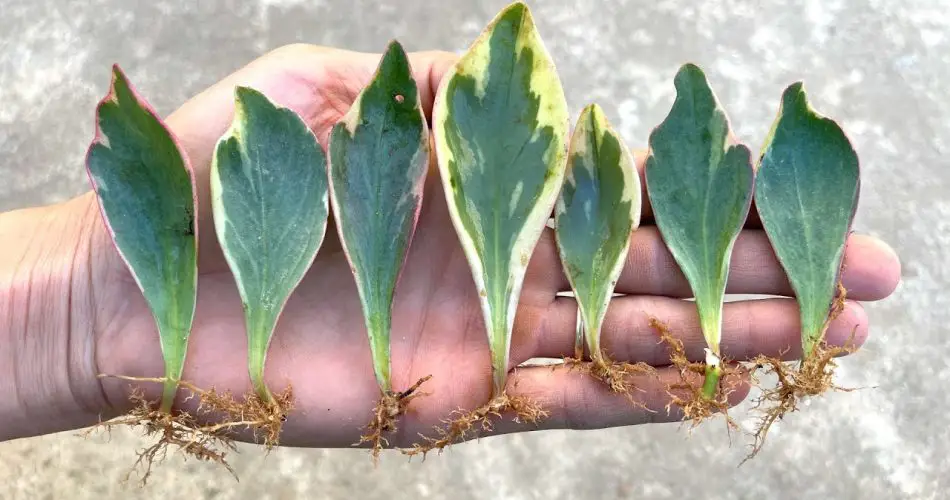
Multiplying plants through leaf cuttings is a simple and effective method to expand your garden or houseplant collection. This technique allows you to propagate new plants using just a single leaf, making it both economical and rewarding. Here’s how to do it!
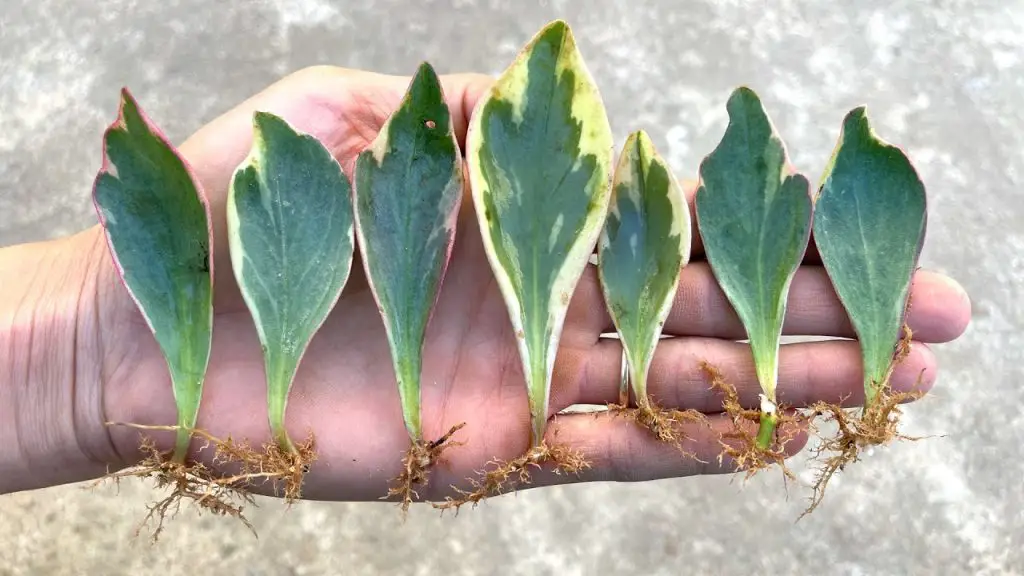
Why Use Leaf Cuttings?
- Cost-Effective: Instead of buying new plants, you can easily propagate them from existing ones.
- Space Efficient: Leaf cuttings require minimal space and resources.
- Easy to Learn: This method is straightforward, making it perfect for beginners.
What Plants Can Be Propagated from Leaves?
Many plants can be multiplied by leaves, including:
- Succulents: Varieties like Echeveria and Sedum.
- African Violets: These beautiful houseplants propagate well from leaves.
- Begonias: Leaf cuttings can produce new plants with vibrant foliage.
- Shamrock (Oxalis): This plant is also known for its easy propagation through leaves.
Step-by-Step Guide to Planting with Leaves
1. Choose the Right Leaf
- Healthy Leaf: Select a healthy, mature leaf from the parent plant. Avoid any leaves with spots, tears, or signs of disease.
- Species Matters: Some plants respond better to leaf cuttings than others, so ensure your chosen plant is suitable for this method.
2. Prepare the Leaf
- Cut the Leaf: Use a sharp, clean knife or scissors to cut the leaf from the plant. If propagating from plants like African violets, cut the leaf with a petiole (the stem that attaches the leaf to the plant).
- Let it Heal: Allow the cut end to dry for a few hours to form a callous, which helps prevent rot.
3. Choose Your Propagation Method
There are two primary methods for rooting leaf cuttings:
- In Water:
- Place the leaf in a jar of water, ensuring the cut end is submerged while the leaf remains above water.
- Change the water regularly to keep it fresh.
- Roots should develop in a few weeks.
- In Soil:
- Fill a small pot with well-draining potting mix.
- Make a small hole and insert the cut end of the leaf into the soil.
- Water lightly and cover the pot with a plastic bag or a clear plastic dome to maintain humidity.
4. Provide Proper Care
- Light: Place your cuttings in a bright location but avoid direct sunlight, which can scorch them.
- Humidity: If using a plastic cover, ensure it doesn’t touch the leaves. Remove it occasionally to allow for air circulation.
- Watering: Keep the soil moist but not soggy. Overwatering can lead to rot.
5. Transplanting
- Check for Roots: After a few weeks, check your cuttings for root development. Gently tug on the leaf; if you feel resistance, roots have formed.
- Potting Up: Once the roots are a few inches long, transplant them into larger pots filled with appropriate potting soil.
Tips for Success
- Temperature: Keep the cuttings in a warm environment, as warmth encourages root growth.
- Patience: Not all leaf cuttings will succeed. Some may take longer to root than others, so be patient.
- Experiment: Try propagating different types of leaves to see what works best for you.
Conclusion
Multiplying plants by leaves is a fun and rewarding gardening technique that anyone can master. With just a few simple steps, you can expand your plant collection and enjoy the satisfaction of nurturing new growth from existing plants. Happy planting!
Copy
Show Comments