The Snake Plant (scientific name: Sansevieria) is one of the easiest and most popular houseplants, known for its striking upright leaves and air-purifying qualities. If you love your Snake Plant and want to grow more of them, propagating it in water is a simple and effective method. This process not only gives you new plants but also allows you to observe the rooting process up close, which can be very satisfying. Here’s how you can easily propagate a Snake Plant in water, and enjoy a flourishing garden of these hardy plants.
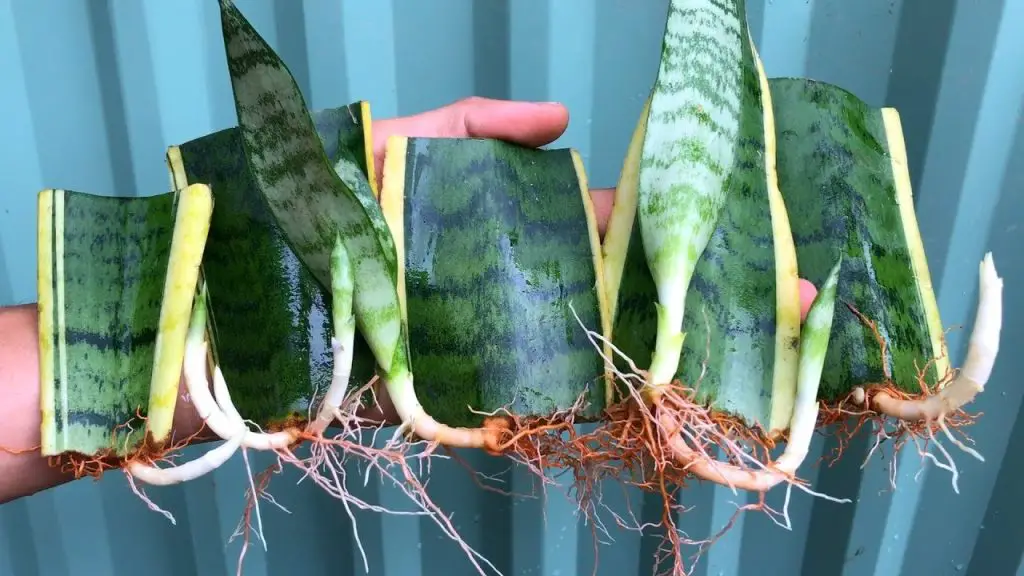
Why Propagate a Snake Plant in Water?
Propagating a Snake Plant in water offers several benefits:
- Simple and cost-effective: All you need is a healthy plant and a container of water.
- Easy monitoring: You can observe the roots as they develop, ensuring you get a healthy plant.
- Quick root development: Water propagation often leads to faster rooting compared to soil.
This method is perfect for beginners or anyone looking to grow more plants from their existing collection.
Step-by-Step Guide: How to Propagate a Snake Plant in Water
Step 1: Choose a Healthy Snake Plant Leaf
The first step in propagating your Snake Plant in water is to select a healthy leaf. Look for a mature, strong leaf that shows no signs of damage, disease, or pests. For successful propagation, it’s important to choose a leaf that’s long and healthy, as it will give the cutting the best chance to grow roots.
- Cut the leaf at the base, near the soil, using sharp scissors or pruning shears.
- Cut the leaf into sections: It’s best to divide the leaf into 2-4 inch sections. Be sure to label the base of the section (the part that was closest to the soil) so that it’s easier to recognize when planting.
Step 2: Prepare the Water Container
Choose a clean container or glass jar large enough to hold your Snake Plant cuttings. The container should be tall enough to submerge the bottom of the leaf sections, while keeping the top part above the water.
- Fill the container with clean, room temperature water.
- Make sure the cut end of the leaf is submerged in the water, but not the top. The top should be above the waterline to prevent it from rotting.
Step 3: Place the Cutting in Water
Once your cuttings are in the container with water, place it in a location that receives indirect sunlight. Snake plants prefer bright, indirect light, so avoid putting them in direct sunlight as it can cause the water to evaporate too quickly and damage the cutting.
- Ensure the cutting is stable and doesn’t fall over in the water. If necessary, you can use small rocks or a rubber band to help hold the cutting in place.
Step 4: Wait for Roots to Develop
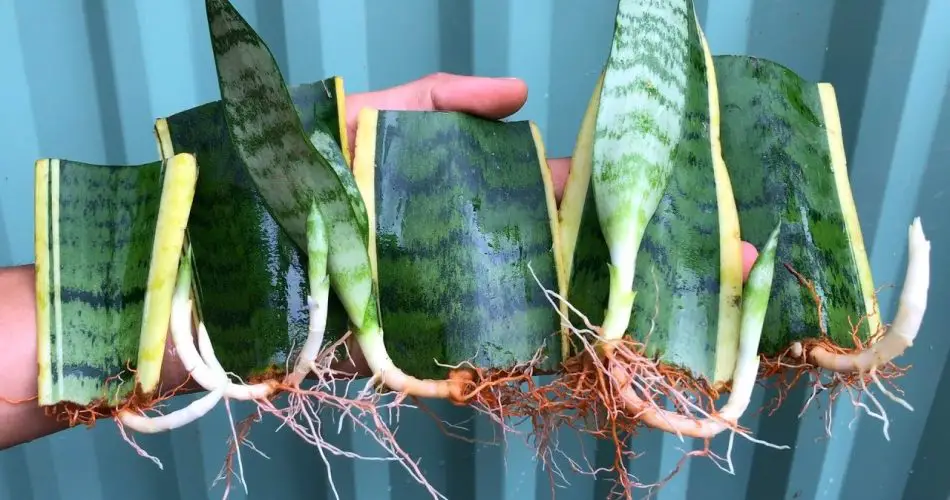
After placing the cutting in water, be patient. It typically takes about 2 to 6 weeks for roots to start developing, depending on environmental conditions and the health of the cutting.
- Check the water level regularly, and top it up if necessary to keep the cutting submerged.
- Change the water every 3-5 days to keep it fresh and prevent bacteria or mold growth.
Step 5: Transplant to Soil (Optional)
Once you notice that the roots are about 1-2 inches long, the cutting is ready to be transplanted into soil.
- Choose a well-draining potting mix suitable for succulents or cacti.
- Gently plant the rooted cutting into the soil, making sure that the roots are covered but the top of the cutting remains above the surface.
- Water the new plant lightly, and place it in a location with bright, indirect sunlight.
Tips for Successful Snake Plant Propagation in Water
- Water Quality: It’s important to use clean, non-chlorinated water for propagating. Tap water can be used, but it’s a good idea to let it sit for 24 hours to allow the chlorine to dissipate.
- Humidity: Keep the environment slightly humid to encourage root growth. You can use a clear plastic cover or humidity dome to create a greenhouse-like effect for the cutting.
- Be Patient: Snake plants can take time to root, so don’t worry if you don’t see roots immediately. Keep monitoring the water level, and be sure to change it regularly.
- Avoid Overcrowding: If you are propagating multiple cuttings, make sure they have enough space in the water container. Overcrowding can cause rot or limit the growth of roots.
Why Snake Plant Propagation in Water Works
When you cut a healthy leaf from a Snake Plant, the plant forms a new root system in water as a natural reaction to the cutting process. The water encourages the leaf to create roots at the cut site, and eventually, this will allow the cutting to grow into a fully-fledged plant once transferred to soil.
Additionally, propagating in water allows the cutting to develop stronger roots since it can continuously absorb nutrients from the water, without the stress of soil initially.
Conclusion: Grow a Thriving Snake Plant Garden!
Propagating your Snake Plant in water is a simple and enjoyable process that requires minimal equipment and provides great results. It’s an ideal method for beginners or anyone looking to grow more plants from their existing Snake Plants. Whether you’re expanding your collection or sharing plants with friends, growing Sansevieria cuttings in water is an easy and rewarding way to create new plants.
With a little patience, you’ll soon see your cuttings developing roots and growing into strong, healthy Snake Plants ready to thrive in your home. Happy propagating!