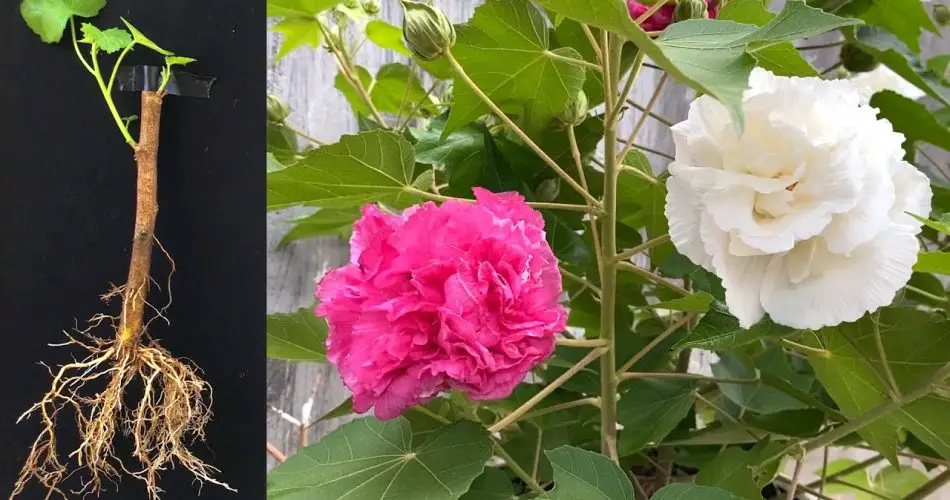
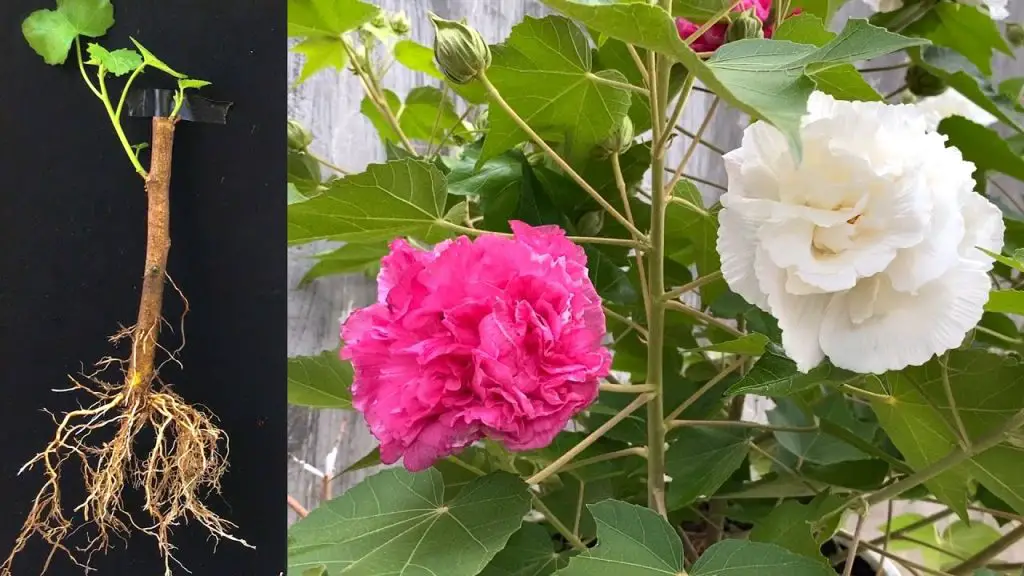
If you want to grow more Hibiscus mutabilis (commonly known as the Confederate Rose), one of the easiest and most effective ways to propagate this beautiful flowering plant is by using branches. This method is straightforward, cost-effective, and allows you to share this stunning plant with friends and family. In this article, we’ll guide you through the process of propagating flowers using branch cuttings, ensuring that your Confederate Rose thrives in its new home.
Why Choose Hibiscus Mutabilis (Confederate Rose)?
The Confederate Rose is a striking plant known for its large, showy flowers that transition in color from white to pink as they bloom. These plants are admired for their ability to tolerate different growing conditions, making them a popular choice for gardeners. With its vibrant blooms and hardy nature, Hibiscus mutabilis is an excellent addition to any garden.
What You Need for Propagation
Before you begin propagating, make sure you have the right tools and materials:
- Healthy Hibiscus branches: Choose young, softwood branches for best results.
- Sharp pruning shears: To cut the branches cleanly.
- Rooting hormone (optional but recommended): This helps encourage root growth.
- Potting soil: Well-draining soil is crucial for successful rooting.
- Small pots or containers: For planting the cuttings.
- A plastic bag or clear plastic cover: To maintain humidity around the cutting.
- Water: For hydrating the cutting.
Step-by-Step Guide to Propagate Hibiscus Mutabilis Using Branches
Step 1: Select and Cut the Branches
Choose a healthy branch of the Hibiscus mutabilis that is approximately 6-8 inches long. The ideal branch for propagation should be a young, semi-softwood branch—this means it should be flexible but not too soft. Avoid selecting old, woody branches as they are less likely to root.
Use your pruning shears to make a clean cut just below a node (the point where leaves or buds grow from the stem).
Step 2: Remove Excess Leaves
After cutting, remove most of the leaves from the lower half of the stem, leaving just one or two leaves at the top. This will reduce water loss and direct more energy into root development.
Step 3: Optional – Apply Rooting Hormone
If you have rooting hormone, dip the cut end of the Hibiscus cutting into the powder. This step is optional but highly recommended, as it helps stimulate root growth and increases the chances of successful propagation.
Step 4: Prepare the Potting Soil
Fill a small pot or container with well-draining potting soil. You can mix in some perlite or sand to ensure good drainage. This is important because Hibiscus mutabilis roots need a light, airy environment to grow.
Step 5: Plant the Cutting
Make a small hole in the center of the potting soil using a pencil or stick. Gently insert the cut end of the branch into the hole, making sure the stem is planted deep enough to stay upright but not too deep that it can’t get proper air circulation. Gently pack the soil around the base to ensure the cutting stays in place.
Step 6: Create a Humid Environment
To encourage root growth, you need to keep the cutting warm and moist. Place a plastic bag or clear plastic cover over the pot to create a mini greenhouse. This will help trap moisture and keep the humidity high, which is essential for root development.
Alternatively, you can place the pot in a warm location, away from direct sunlight but with plenty of indirect light.
Step 7: Water and Maintain Humidity
Water the cutting gently to keep the soil moist, but not soggy. Be careful not to overwater, as this can lead to rot. Check the soil every few days to ensure it is still moist. If you notice condensation inside the plastic cover, it’s a good sign that the humidity is adequate.
Step 8: Wait for Roots to Form
After about 3-4 weeks, gently tug on the cutting to check if roots have developed. If you feel resistance, it means the cutting has rooted successfully. At this point, you can remove the plastic cover and continue to care for the plant as it grows.
Transplanting Your New Hibiscus Mutabilis Plant
Once your Hibiscus cutting has rooted and is growing new shoots, it’s time to transplant it into a larger pot or directly into your garden. Make sure to harden off the plant by gradually exposing it to outdoor conditions, especially if it has been growing indoors under the plastic cover.
- Soil: Hibiscus plants prefer well-draining, slightly acidic soil.
- Sunlight: Place the new plant in a spot that receives full sunlight for at least 6 hours a day.
- Watering: Water the plant regularly, ensuring that the soil remains moist but not waterlogged.
Benefits of Propagating Hibiscus Mutabilis with Branches
- Cost-effective: Propagating through cuttings is an affordable way to grow more plants without purchasing new ones.
- Fast results: The Confederate Rose grows quickly, and with proper care, you can see results in a short amount of time.
- Customization: You can grow multiple Hibiscus plants from the same parent plant, creating a lush garden full of vibrant flowers.
Conclusion
Propagating Hibiscus mutabilis (Confederate Rose) from branches is an easy and rewarding way to expand your garden. With just a few simple steps and some basic tools, you can create new plants that will produce vibrant, beautiful flowers year after year. Try this method, and soon you’ll be enjoying the stunning beauty of Hibiscus in every corner of your garden!