Garlic, cherished not only for its flavor but also for its health benefits, requires proper care to ensure a robust harvest. Feeding becomes crucial during this period as it directly impacts the quality and size of the garlic heads.
Why Feed Garlic in June?
June marks a critical phase in garlic development when it actively forms heads. During this time, garlic significantly benefits from potassium, a vital nutrient that enhances its disease resistance, pest resilience, and winter storage capacity.
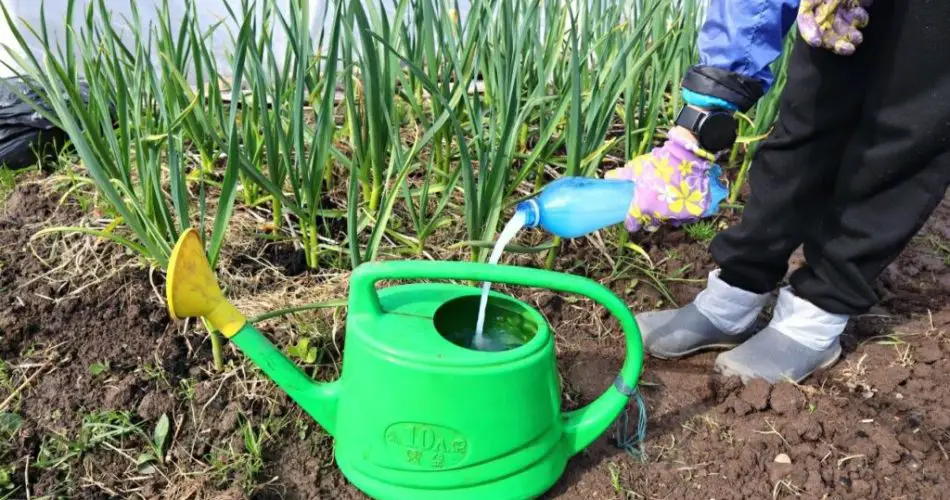
Feeding Garlic in June
To ensure healthy growth and robust heads, consider these feeding options:
- Potassium Sulfate: Dilute 20-30 grams in 10 liters of water.
- Ash: Use 1 cup per 10 liters of water.
- Wood Ash: Mix 1 tablespoon per 10 liters of water.
Important Tip: Before applying any fertilizer, thoroughly water the garden soil.
What Not to Feed Garlic in June
Avoid nitrogen-rich fertilizers like saltpeter, manure, or bird droppings at this stage. Nitrogen promotes excessive green growth rather than head formation, resulting in garlic that is less flavorful, prone to rot, and difficult to store.
Additional Tips
- Provide a small amount of phosphorus with superphosphate (30 grams per 10 liters of water).
- Regularly loosen the soil to improve root aeration.
- Maintain soil moisture without overwatering.
- Control weeds to prevent competition for nutrients.
By adhering to these straightforward guidelines, you can cultivate robust garlic with large, aromatic heads that will store well until the next harvest.
Remember: Proper feeding in June ensures not only a successful yield but also healthy and flavorful garlic for your culinary delights.