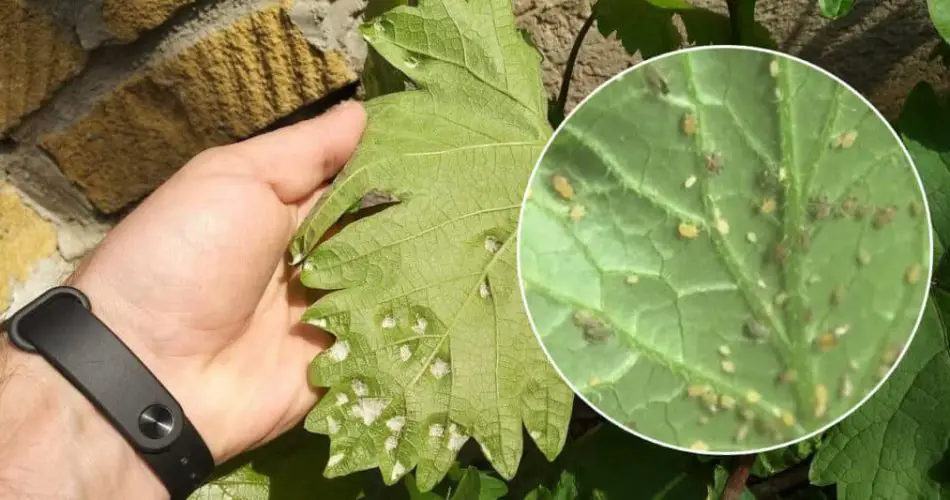
Grapes are beloved for their delicious taste and rich nutritional content, but their cultivation can be marred by pests, with aphids posing a significant threat. These tiny insects feed on grape plants’ sap, causing leaf deformation, weakening of the plant, reduced yield, and in severe cases, even death.
Recognizing Aphid Infestation
Signs of aphids affecting grapes include:
- Clusters of small green or black insects on the underside of leaves.
- Sticky honeydew residue produced by aphids.
- Twisted and deformed leaves.
- Slowed growth and development of the plant.
- Decreased yield.
Protecting Grapes from Aphids
Effective methods to combat aphids can be categorized into three groups:
1. Preventive Measures:
- Selection of Resistant Varieties: Opt for grape varieties known to be resistant to aphids when planning your planting.
- Correct Agricultural Techniques: Follow proper agricultural practices such as timely watering, fertilization, pruning, and berry thinning.
- Cleanliness and Sanitation: Regularly remove weeds, fallen leaves, and other plant debris that could harbor pests.
2. Folk Methods:
- Herbal Infusions and Decoctions: Use infusions and decoctions made from herbs like chamomile, calendula, garlic, and tobacco to treat grapevines.
- Soap Solution: An effective remedy is a soap solution (200 g of household soap per 10 liters of water).
- Ash Water: Prepare an infusion of ash (300 g per 10 liters of water), which helps eliminate aphids.
3. Chemical Methods:
- Insecticides: In extreme cases, consider using insecticides specifically formulated to control aphids.
- Biological Methods: Employ beneficial insects like ladybugs and lacewings, which naturally prey on aphids.
Important Considerations:
- Before applying any aphid control method, carefully read the instructions and adhere to recommended dosages.
- Treat grapevines during dry, windless weather for optimal effectiveness.
- Avoid using chemical insecticides during grape flowering and fruiting stages.
Remember: Prevention is Key
The best defense against aphids is prevention. By adopting sound agricultural practices and utilizing effective folk methods, you can maintain the health of your grapevines and protect them from these destructive pests.