Grafting is a popular method of plant propagation that involves joining two parts of different plants to create a new, unified plant. One of the most effective ways to propagate roses is by grafting eyes (also known as bud grafting) onto a rose tree. This technique allows you to combine the qualities of a rootstock with the desired variety of rose, ensuring both strong growth and beautiful blooms. If you’re new to grafting, follow these simple steps to graft eyes successfully onto a rose tree.
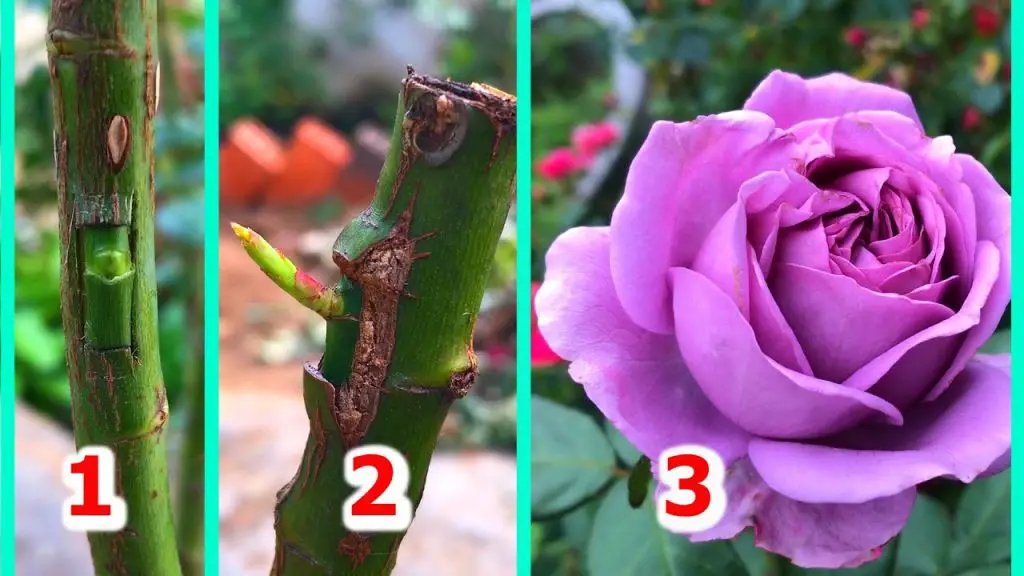
Why Graft Eyes on a Rose Tree?
Grafting eyes onto a rose tree can offer numerous benefits:
- Improved Growth: The rootstock provides a strong and disease-resistant foundation for the rose.
- New Rose Varieties: You can easily propagate different types of roses by grafting various rose varieties onto a single rootstock.
- Better Flowering: The grafted variety will bear high-quality blooms thanks to the superior genetics of the chosen eye.
What You’ll Need
- Healthy rose rootstock (a plant with strong, well-established roots)
- Rose variety with healthy buds (the eye to be grafted)
- Sharp grafting knife or pruning shears
- Grafting tape or rubber bands
- Grafting sealant (optional, for better protection)
- Sterilizing alcohol (to clean your tools)
Step-by-Step Guide to Grafting Eyes on a Rose Tree
1. Select the Right Rootstock and Rose Variety
- Choose a healthy rose rootstock that is compatible with the rose variety you wish to graft. Common rootstocks for roses include Dr. Huey and Rosa multiflora.
- Select a healthy rose variety with strong, viable buds (eyes) that are ready for grafting. The bud should be dormant and fully formed, preferably from the current year’s growth.
2. Prepare Your Tools
- Sterilize all your tools (knife, shears, etc.) with alcohol to prevent the transfer of disease.
- Ensure your knife is sharp for clean, precise cuts.
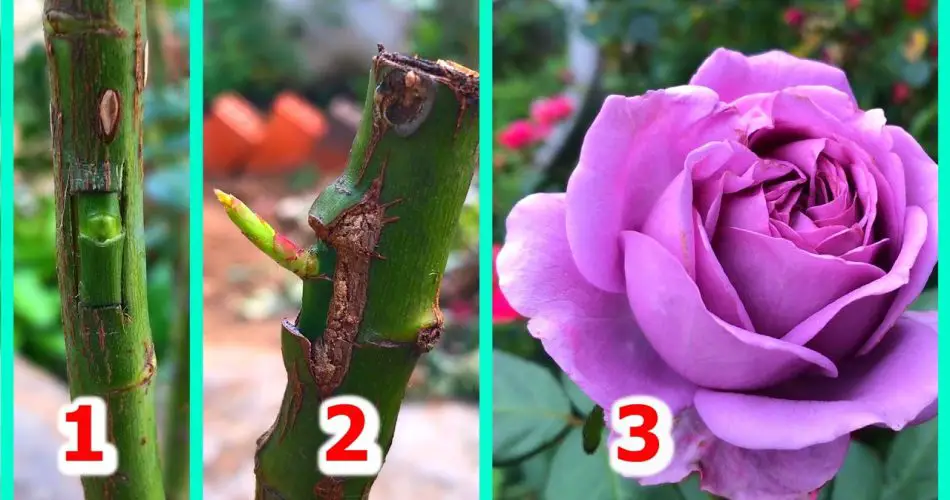
3. Make a T-shaped Incision on the Rootstock
- Use your sharp knife to make a T-shaped incision on the rootstock. The horizontal cut should be about 1-2 inches long, and the vertical cut should be 2-3 inches down the center of the horizontal incision. The cuts should be clean and smooth to allow the bud to fit properly.
4. Prepare the Rose Eye (Bud)
- Using your knife, carefully cut a healthy bud from the rose variety you’ve chosen. The bud should have a small amount of surrounding bark attached.
- Make the cut at an angle, so the bud comes away with a small portion of the wood. This will help ensure the bud remains viable when grafted.
5. Insert the Rose Eye (Bud)
- Gently lift the flaps of the T-shaped incision on the rootstock and insert the rose bud into the slit. The bud should fit snugly and align with the bark of the rootstock.
- Be careful not to damage the bud during this process.
6. Secure the Graft
- Use grafting tape or rubber bands to securely bind the bud to the rootstock. Make sure the bud is tightly held in place but not crushed. The wrapping should be firm enough to hold the bud in position without cutting off circulation.
- If necessary, apply a grafting sealant around the graft area to prevent moisture loss and infection.
7. Care for the Grafted Rose
- Keep the grafted rose in a warm, shaded location for a few weeks to encourage the bud to take.
- During this time, avoid overwatering and ensure the rootstock remains healthy.
- Check regularly for signs of growth—the bud should begin to leaf out within 2-3 weeks.
8. Remove the Grafting Tape
- Once the bud has successfully taken root and shows new growth, carefully remove the grafting tape or rubber bands.
- Be sure not to disturb the newly grafted bud. If any signs of failure are visible, you may need to re-graft with a new bud.
Tips for Successful Rose Grafting
- Choose a healthy rootstock: A strong, disease-resistant rootstock is essential for successful grafting. Make sure the rootstock has vigorous growth.
- Graft during the right season: Grafting should be done in early spring or late winter when both the rootstock and the bud are dormant.
- Humidity and temperature: Keep the grafted plant in a humid environment with temperatures between 60-70°F (15-21°C) to encourage successful healing.
- Be patient: Grafting can take several weeks to show visible results. Avoid disturbing the plant too much during this time.
Why It Works
Grafting works because it allows the rootstock to provide strong, healthy roots, while the grafted bud produces the desired flowers. The vascular tissues of the rootstock and the bud align, allowing water and nutrients to flow between them, enabling the bud to grow into a fully functional rose plant.