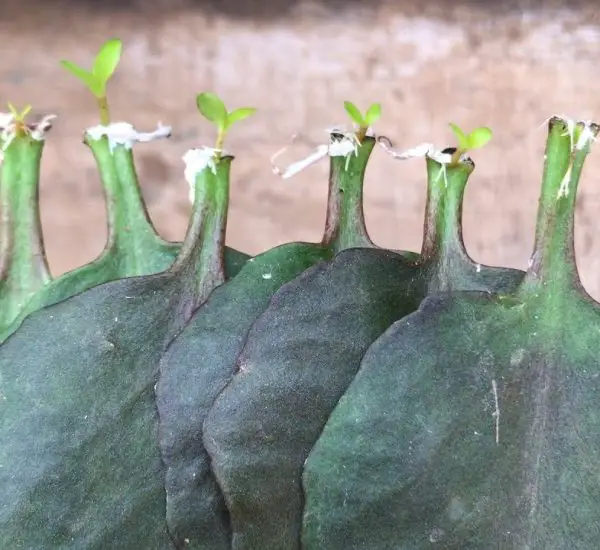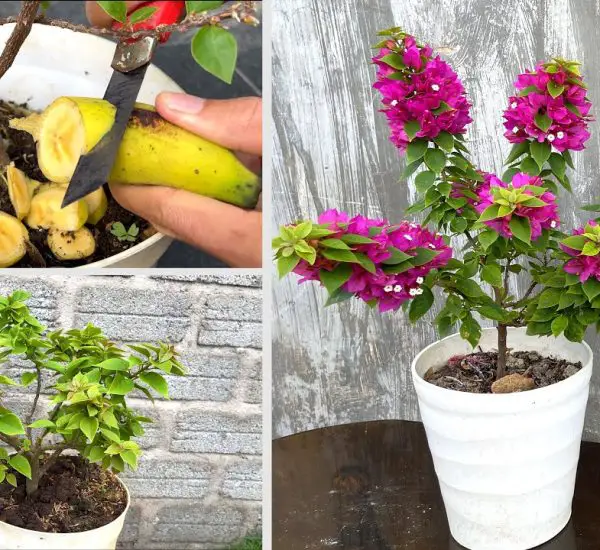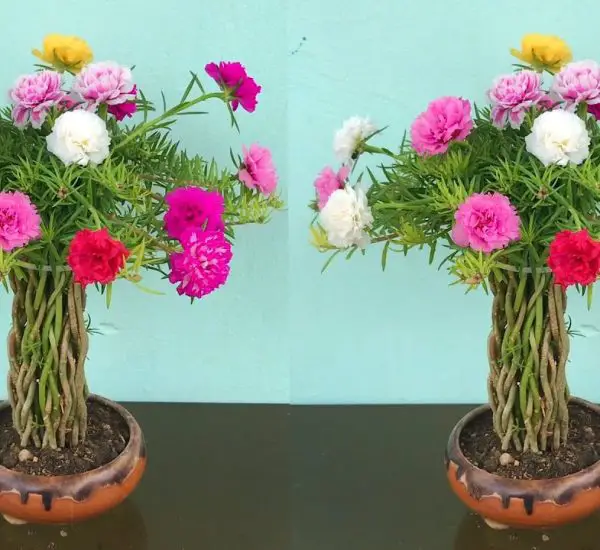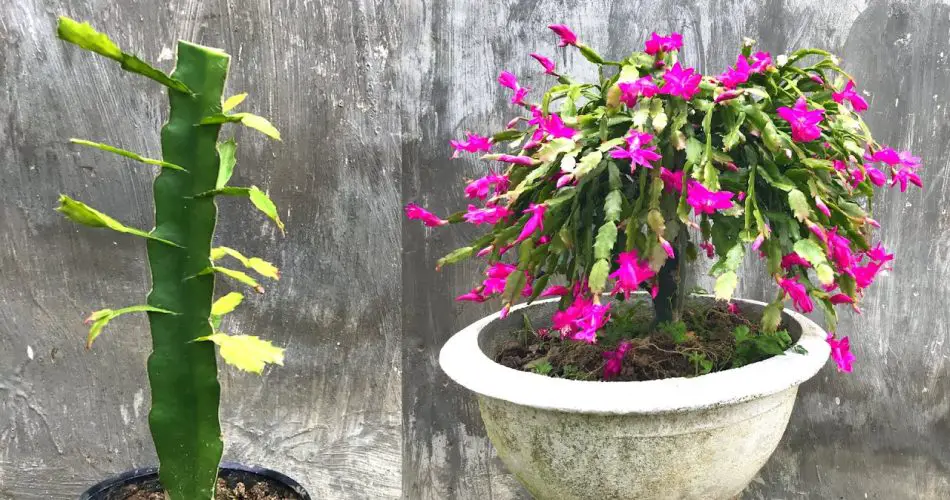
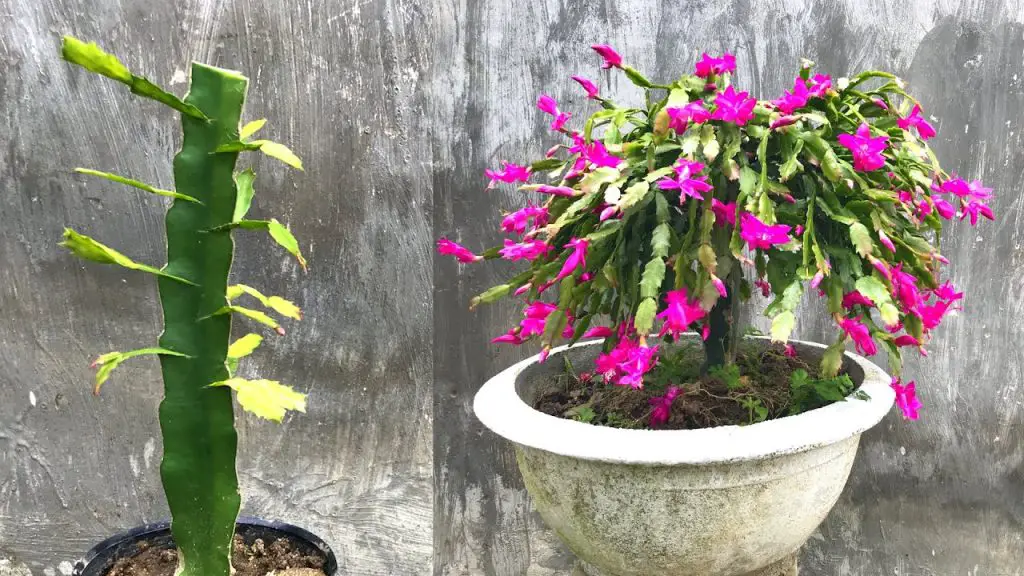
Grafting is a fascinating technique used in plant propagation that allows you to combine different plant varieties, resulting in new hybrid plants. For those who have not yet explored this method, grafting Cottage Quynh (commonly known as the Christmas Cactus) with dragon fruit can be an exciting and rewarding experiment. In this article, we’ll explain how this unusual grafting process works, its benefits, and the steps involved in successfully grafting these two plants.
What is Grafting?
Grafting is a horticultural technique where parts of two different plants are joined together so they grow as one. The rootstock of one plant is joined with the scion of another. This method is often used to improve a plant’s growth, disease resistance, or fruit production. In the case of grafting Cottage Quynh with dragon fruit, you’re combining the aesthetic appeal of the Christmas Cactus with the hardiness and fruit-bearing ability of the dragon fruit plant.
Why Graft Cottage Quynh with Dragon Fruit?
- Aesthetic Appeal: The Christmas Cactus (Cottage Quynh) produces beautiful, vibrant blooms that can be a stunning addition to any indoor garden.
- Hardiness: Dragon fruit plants are resilient and can tolerate a variety of growing conditions. By grafting onto a dragon fruit rootstock, the Christmas Cactus may benefit from improved overall health and better root support.
- Unique Hybrid: Grafting these two plants can result in a unique hybrid that showcases the best of both worlds. The Christmas Cactus can bloom beautifully, while the dragon fruit rootstock ensures the plant is more robust.
What You’ll Need
- Healthy dragon fruit plant (to serve as rootstock)
- Christmas Cactus cutting (to be grafted as the scion)
- Sharp, sterilized knife or grafting tool
- Grafting tape or rubber bands
- Rooting hormone (optional, but can aid in the grafting process)
Step-by-Step Guide to Grafting Cottage Quynh with Dragon Fruit
- Choose Your Plants
- Select a healthy Christmas Cactus cutting and a mature dragon fruit plant. Make sure both plants are healthy, disease-free, and actively growing. The dragon fruit plant should have strong, established roots to serve as the rootstock.
- Prepare the Christmas Cactus Cutting
- Cut a healthy segment from the Christmas Cactus using a sharp, sterilized knife. Make sure the cutting has at least a few segments. The cutting should be around 2-3 inches long.
- Prepare the Dragon Fruit Rootstock
- On the dragon fruit plant, select a section of the stem that is young and healthy. Cut the top off to create a flat surface for grafting. This cut should be clean and smooth to ensure a good union between the plants.
- Graft the Christmas Cactus onto the Dragon Fruit
- Align the cut end of the Christmas Cactus cutting with the exposed top of the dragon fruit rootstock. The goal is to make sure the vascular tissues of both plants are touching. This is crucial for the graft to take.
- Carefully hold the cutting in place using grafting tape or rubber bands. Be gentle to avoid damaging the plants.
- Seal the Graft
- Ensure the graft is well sealed by wrapping the joint with tape or bandages. This will keep the grafting site stable and prevent moisture loss. If you’re using rooting hormone, apply it to the cut surfaces before joining the plants together.
- Care for the Grafted Plant
- Place the grafted plant in a warm, humid environment to encourage healing. Keep it in a spot with indirect light to avoid stressing the plant.
- After 2-3 weeks, check the graft site for signs of growth and healing. The cutting should begin to fuse with the rootstock.
- Once the graft has successfully taken, you can remove the tape or bands and continue to care for the plant as you would a regular Christmas Cactus.
Additional Tips for Successful Grafting
- Temperature and Humidity: Grafting is best done in a warm environment with high humidity to help the graft take and heal quickly.
- Be Patient: Grafting can take several weeks to show visible results. Patience is key, as the plants need time to fuse together.
- Watering: Be sure to water lightly around the graft site, but avoid getting the graft itself wet. Too much water can lead to rot.
Why Grafting Works for Christmas Cactus and Dragon Fruit
- Rootstock Strength: Dragon fruit plants are known for their resilience and strong root systems. Grafting the Christmas Cactus onto the dragon fruit rootstock gives it a more stable foundation, improving its chances of growth.
- Nutrient Flow: Once grafted, the Christmas Cactus can benefit from the nutrients and water absorbed by the dragon fruit rootstock. This helps the cactus grow stronger and develop more robust flowers.
- Unique Hybrid: The result of grafting Cottage Quynh with dragon fruit is a unique and beautiful plant that combines the decorative appeal of the Christmas Cactus with the hardiness of the dragon fruit.
The Results
After grafting Cottage Quynh with dragon fruit, you can expect a strong, resilient plant that combines the best of both worlds. The Christmas Cactus will bloom beautifully, while the dragon fruit rootstock ensures the plant’s overall health and vitality. This grafting process is a fantastic way to experiment with unique plant combinations and create a one-of-a-kind hybrid.