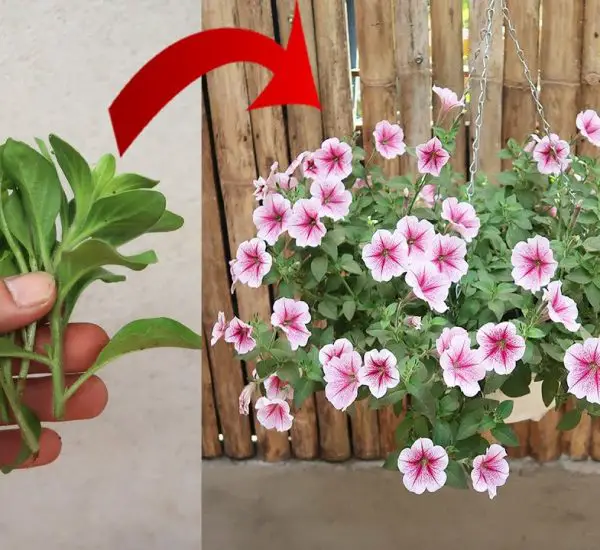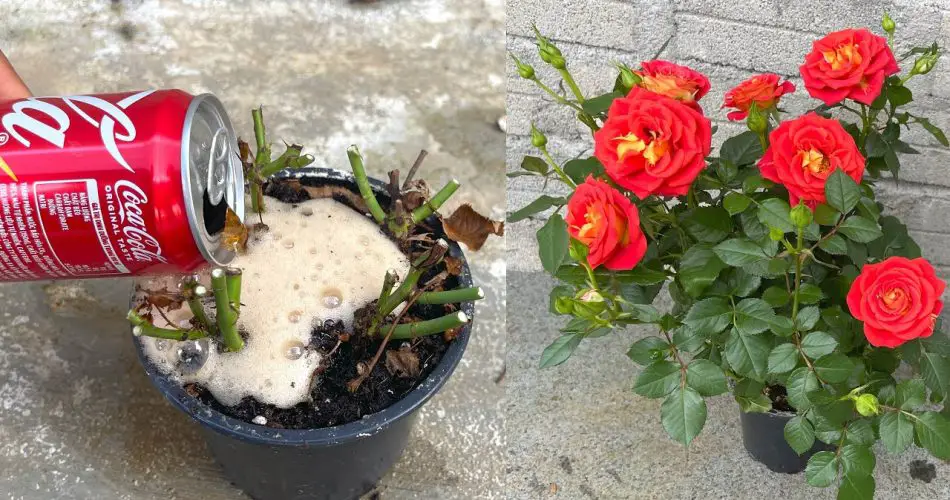
Roses are beloved for their beauty, but they can sometimes be finicky when it comes to care. Watering is a key part of keeping them healthy, and many gardeners wonder about experimenting with different types of liquids to give their plants an extra boost. One such experiment involves using Coca-Cola to water rose pots. While this may seem like an unusual idea, the question remains: What effect does Coca-Cola have on roses when used as a watering solution? Let’s dive into this surprising experiment and explore the potential benefits and drawbacks.
1. Coca-Cola and Its Ingredients
Before we jump into the effects on your roses, it’s important to understand what’s inside a can of Coca-Cola. The main ingredients include:
- Carbonated water: This gives the soda its fizz and is the primary liquid in Coca-Cola.
- Sugar: A high amount of sugar is present in Coca-Cola, often in the form of high fructose corn syrup.
- Caffeine: This stimulant can have a mild effect on plants, though its impact is often debated.
- Phosphoric acid: An acid that adds tartness and can lower the pH of the soil.
- Caramel color: Primarily for aesthetics, this ingredient doesn’t play a significant role in plant care.
Given these ingredients, some gardeners wonder if Coca-Cola could provide any unique benefits to their plants or if it might cause harm.
2. Possible Benefits of Coca-Cola on Roses
While Coca-Cola isn’t a traditional plant fertilizer, some people swear by it for certain types of plant care. Here are some potential benefits that might explain why people experiment with it:
1. Sugar for Energy
Sugar, being a major component of Coca-Cola, is a source of energy. In theory, sugar might provide a quick energy boost for plants, helping them grow faster. However, plants typically produce their own sugars through photosynthesis, so the sugar in Coca-Cola doesn’t provide long-term benefits.
2. Phosphoric Acid for Soil pH
Phosphoric acid in Coca-Cola could lower the pH of the soil slightly. Some plants, including roses, prefer slightly acidic soil. If your soil is too alkaline, using Coca-Cola in moderation might help balance the pH and make it more suitable for your roses. However, this effect is temporary, and Coca-Cola should not be relied upon as the primary method of adjusting soil pH.
3. Carbonation Boosts Root Health?
The carbonated water in Coca-Cola releases carbon dioxide (CO₂) when it fizzes. Some people suggest that adding CO₂ to the soil might benefit plants by increasing root respiration and encouraging growth. However, the amount of CO₂ from a small amount of soda is negligible, and it is unlikely to make a significant impact on the rose’s health.
3. Potential Risks of Coca-Cola for Roses
While there might be some surprising advantages to using Coca-Cola, there are also risks and negative effects to consider:
1. Excess Sugar Can Harm Plants
Roses are not accustomed to high amounts of sugar in their soil. While small amounts of sugar may seem harmless, excess sugar can cause several problems, including:
- Encouraging fungal growth: Sugar can attract fungi and bacteria in the soil, potentially leading to root rot or other plant diseases.
- Imbalance in nutrients: Too much sugar could also disrupt nutrient absorption, leading to poor plant health over time.
2. Carbonation Can Cause Stress
While carbonation might seem beneficial in theory, the fizz in Coca-Cola could actually cause harm to plant roots. The sudden influx of carbon dioxide (CO₂) could stress the roots, particularly if the plant isn’t accustomed to it. Additionally, the acidic nature of Coca-Cola, due to the carbonation, may harm delicate root systems if used too frequently.
3. Caffeine’s Impact on Plant Growth
Caffeine, a stimulant found in Coca-Cola, has been shown to affect plants in a variety of ways. In some studies, caffeine can inhibit plant growth, especially in young seedlings. Although the amount of caffeine in Coca-Cola is relatively low compared to other beverages, it might still have a negative effect on the growth of your roses over time, especially if used regularly.
4. Over-acidifying the Soil
The phosphoric acid in Coca-Cola can lower the pH of the soil, which may be harmful to your roses if used too often. Roses typically prefer a slightly acidic to neutral pH (around 6.0 to 6.5), so regularly watering with Coca-Cola could make the soil too acidic for healthy growth, potentially leading to nutrient deficiencies or poor flower production.
4. How to Use Coca-Cola (If You Want to Experiment)
If you’re still curious about experimenting with Coca-Cola in your rose pot, it’s essential to use it cautiously. Here are a few tips:
- Dilute the Coca-Cola: To reduce the potential for harm, dilute the Coca-Cola with water before applying it to the soil. A mixture of 1 part Coca-Cola to 3 parts water will help minimize the concentration of sugar, caffeine, and acid.
- Use in Moderation: Don’t make Coca-Cola your primary method of watering. Use it sparingly, perhaps once every few months, to see if it has any positive effects on your roses.
- Monitor the Plant’s Response: Keep an eye on how your roses respond after applying Coca-Cola. If you notice any signs of yellowing leaves, stunted growth, or wilting, it’s best to stop using Coca-Cola and return to regular watering with plain water.
5. Alternative Methods for Rose Care
If you’re looking for ways to boost your rose’s growth and blooming without the risks of Coca-Cola, here are some more effective and safer alternatives:
- Balanced Fertilizers: Use a balanced rose fertilizer that contains essential nutrients like nitrogen, phosphorus, and potassium to encourage healthy growth and vibrant blooms.
- Compost: Organic compost is a natural and safe way to enrich the soil, providing your roses with the nutrients they need without the risks of sugar or acidity.
- Mulching: Apply a layer of mulch around the base of the rose to help retain moisture, suppress weeds, and improve soil quality.
- Regular Watering: Stick to a consistent watering routine, ensuring your roses receive the right amount of water without becoming waterlogged.
In Summary:
Using Coca-Cola to water rose pots is an unusual experiment that may have some temporary benefits, such as slightly lowering the soil’s pH and providing a quick energy boost. However, the potential risks, including excessive sugar, carbonation stress, and caffeine effects, outweigh the benefits for most gardeners. If you decide to experiment with Coca-Cola, do so with caution and in moderation. For long-term rose care, sticking to tried-and-true methods like balanced fertilizers, compost, and regular watering is the safest and most effective approach to growing healthy, vibrant roses.