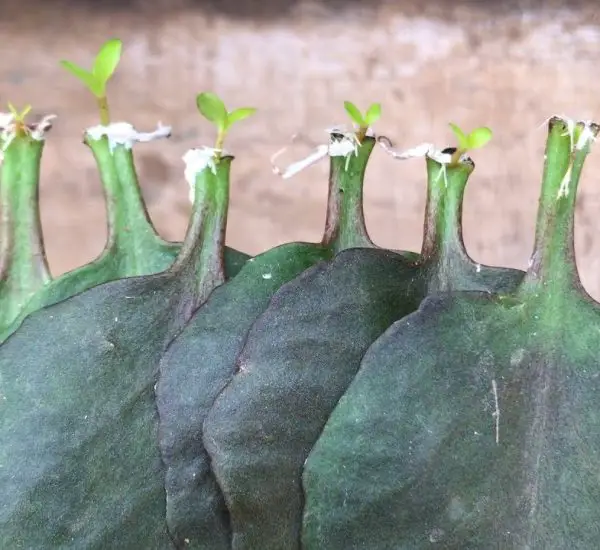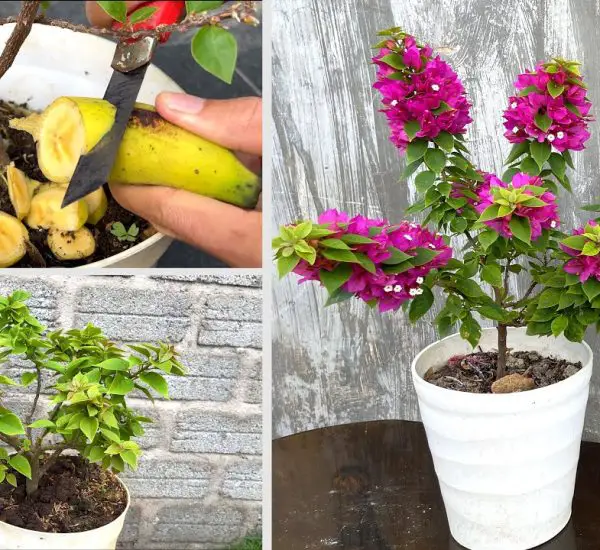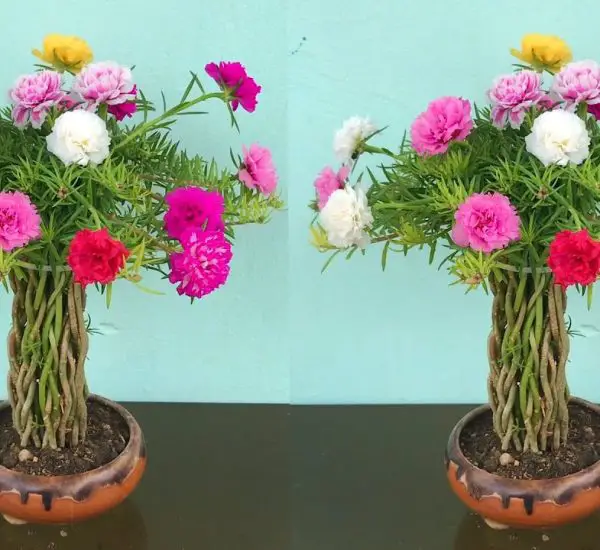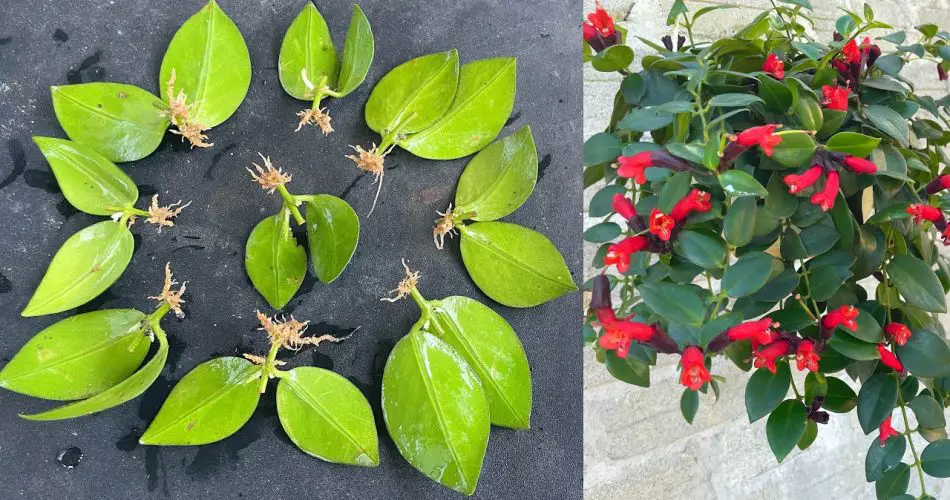
Have you ever wondered how a simple leaf can transform into a seedling? This incredible process is not only fascinating but also highlights the resilience and adaptability of plants. Let’s explore how leaves can take root and grow into thriving new plants!
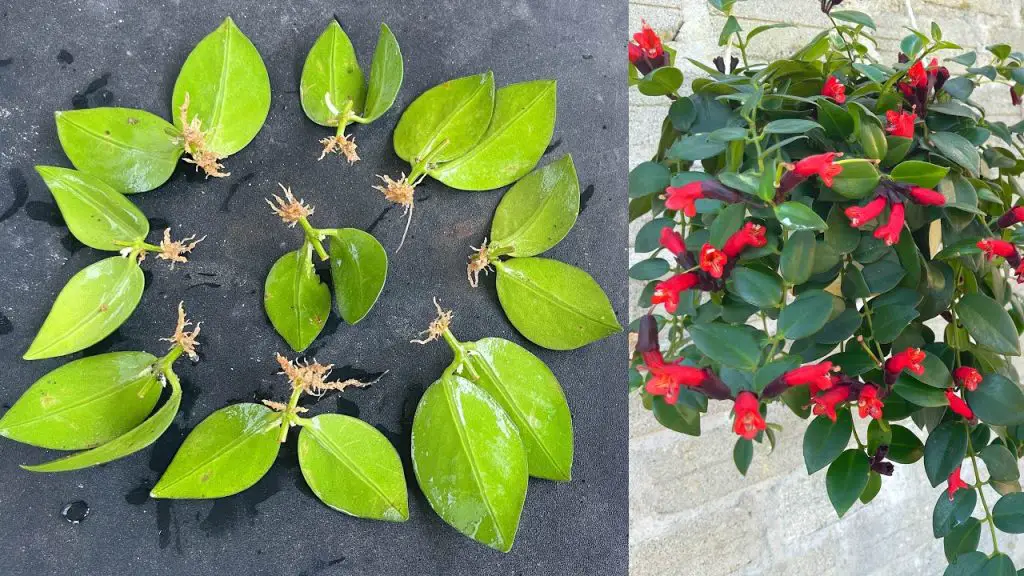
Understanding the Process
The ability of a leaf to grow into a new seedling is known as vegetative propagation. This process allows plants to reproduce asexually, meaning they can create new individuals without the need for seeds. Here’s how it works:
1. Selecting the Right Leaf
- Choose Healthy Leaves: Start with healthy, mature leaves from a plant that is known for its ability to propagate from leaves. Some common examples include succulents, African violets, and begonias.
2. Preparing the Leaf
- Cut the Leaf: Use a sharp, clean knife or scissors to cut the leaf from the plant. Ensure you have a clean cut to prevent damage and reduce the risk of infection.
- Allow to Callus: Let the cut end of the leaf dry out for a few hours or overnight. This process, known as callusing, helps to prevent rot when the leaf is placed in soil.
3. Planting the Leaf
- Choose the Right Medium: Use a well-draining potting mix or a blend of sand and perlite. This will ensure that the leaf does not sit in excess moisture, which can cause it to rot.
- Insert the Leaf: Plant the leaf cut end down into the soil, making sure it is secure but not buried too deeply. For some plants, simply laying the leaf on the soil surface may be sufficient.
4. Providing Proper Care
- Watering: Lightly water the soil to keep it moist but not soggy. Overwatering can lead to fungal issues and rot.
- Light Requirements: Place the planted leaf in a location with indirect sunlight. Too much direct sun can damage the leaf, while too little light can hinder growth.
- Humidity: Maintaining a humid environment can encourage root development. You can create a mini greenhouse effect by covering the pot with a clear plastic bag or placing it in a humid area.
5. Watching for Growth
- Root Development: Over time, the leaf will begin to develop roots. This can take anywhere from a few weeks to a couple of months, depending on the plant species and environmental conditions.
- New Shoots: As the roots grow, you may notice new shoots emerging from the leaf. This is a sign that the leaf is successfully transforming into a seedling.
6. Transplanting
- Once the new plant has developed a strong root system and several leaves, it can be carefully transplanted into a larger pot or garden bed. Be gentle during this process to avoid damaging the delicate roots.
Conclusion
The transformation of a leaf into a seedling is a marvelous testament to nature’s ingenuity. This process not only allows for the continuation of plant species but also provides gardeners with a unique way to propagate their favorite plants. By understanding how to take advantage of this method, you can expand your garden and enjoy the beauty of new life sprouting from what was once just a simple leaf. So next time you prune your plants, don’t discard those leaves—use them to create something extraordinary!