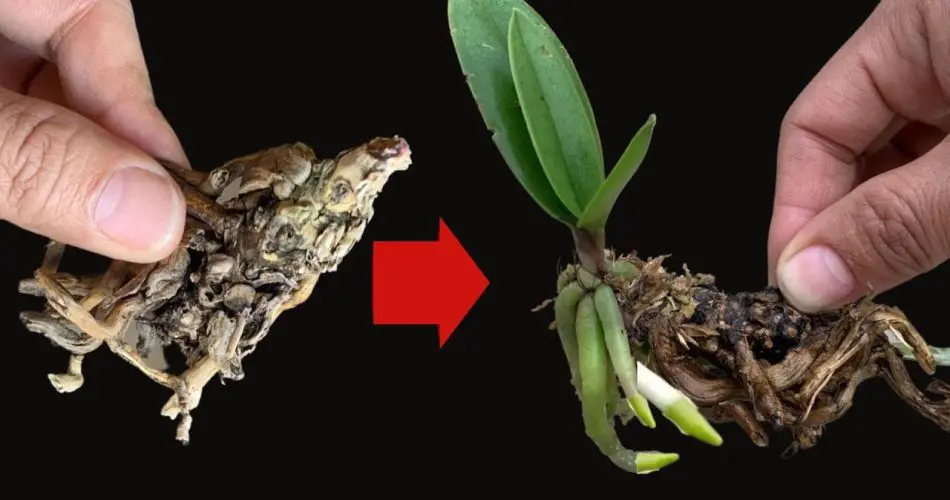
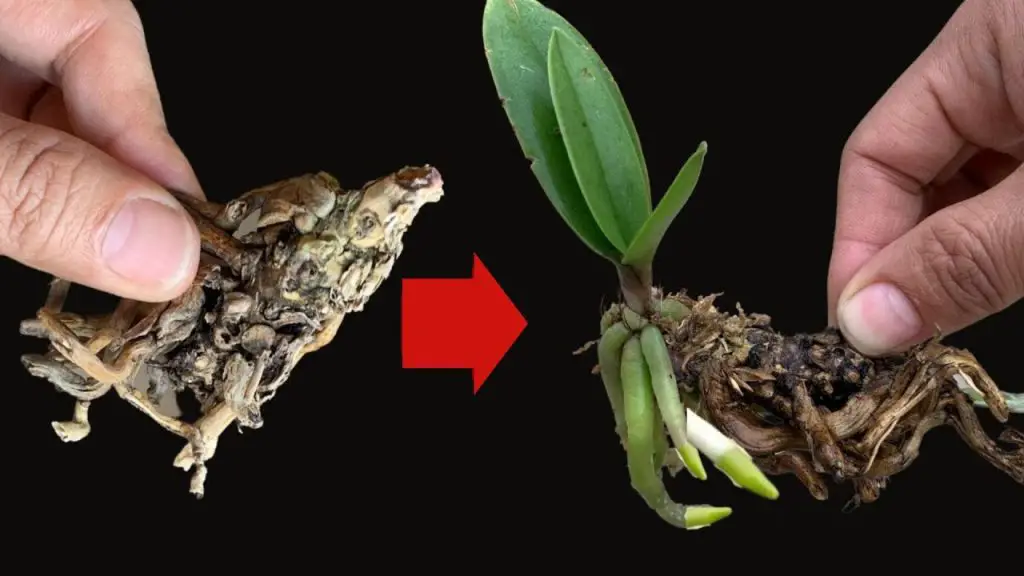
Phalaenopsis orchids, often admired for their elegant blooms and ease of care, can occasionally fall victim to neglect or improper maintenance, leading to a state where they appear dead. However, with proper care and attention, it’s possible to revive seemingly lifeless Phalaenopsis orchids and restore them to their former glory. Here are some essential tips to bring your Phalaenopsis orchids back to life:
1. Assess the Damage:
Before taking any action, carefully examine the orchid to determine the extent of damage. Look for signs such as yellow or withered leaves, dried-up roots, or a lack of new growth. Understanding the orchid’s condition will guide you in providing appropriate care.
2. Trim Dead Parts:
Trim away any dead or yellowing leaves, stems, or roots using sterile pruning shears. Removing these parts prevents them from draining resources and allows the orchid to redirect energy towards healthy growth.
3. Repotting:
If the orchid’s roots are mushy or blackened, it may have root rot. Remove the orchid from its pot and gently rinse away old potting media and decaying roots under running water. Trim away all rotting roots until only firm, healthy ones remain. Repot the orchid in fresh orchid potting mix designed for Phalaenopsis orchids, ensuring good drainage.
4. Watering and Humidity:
Phalaenopsis orchids prefer consistent moisture levels. Water them thoroughly when the potting mix feels dry to the touch, but avoid letting them sit in waterlogged conditions. Maintain humidity around the orchid by placing a humidity tray filled with water and pebbles beneath the pot.
5. Light Requirements:
Place your Phalaenopsis orchid in a location with bright, indirect light. Avoid direct sunlight, as it can scorch the leaves. Adequate light is crucial for photosynthesis and healthy growth.
6. Fertilization:
Once the orchid shows signs of new growth, start fertilizing it with a balanced orchid fertilizer at half-strength every two weeks during the growing season. Reduce fertilization during the dormant period.
7. Patience and Observation:
Reviving a Phalaenopsis orchid takes time and patience. Monitor the orchid closely for signs of improvement such as new leaf growth, roots emerging from the base, or spikes developing for new flowers. Adjust your care regimen based on the orchid’s response.
8. Seek Professional Advice:
If you’re uncertain about the best course of action or if your efforts aren’t yielding results, consider consulting a local orchid expert or nursery for personalized advice and guidance.
Final Thoughts
In conclusion, while reviving a seemingly dead Phalaenopsis orchid requires effort and care, it’s a rewarding process that can bring a cherished plant back to life. By following these tips and providing the right conditions of light, water, humidity, and nutrients, you can successfully revive your Phalaenopsis orchid and enjoy its beautiful blooms once again. Remember, with dedication and proper care, even seemingly lifeless orchids can thrive and flourish in your home or garden.