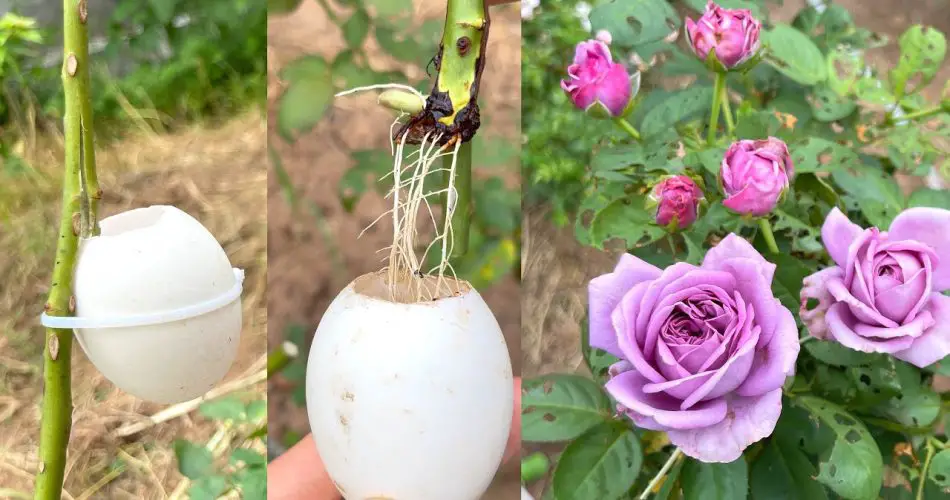
Propagating roses from cuttings is one of the easiest and most rewarding ways to grow new plants. If you love roses and want to expand your collection, or simply share your favorite varieties with friends, propagating rose branches is a great solution. But did you know you can use eggshells to help improve the success rate of rose propagation? It’s an easy, natural method that encourages root growth and provides your cuttings with the nutrients they need.
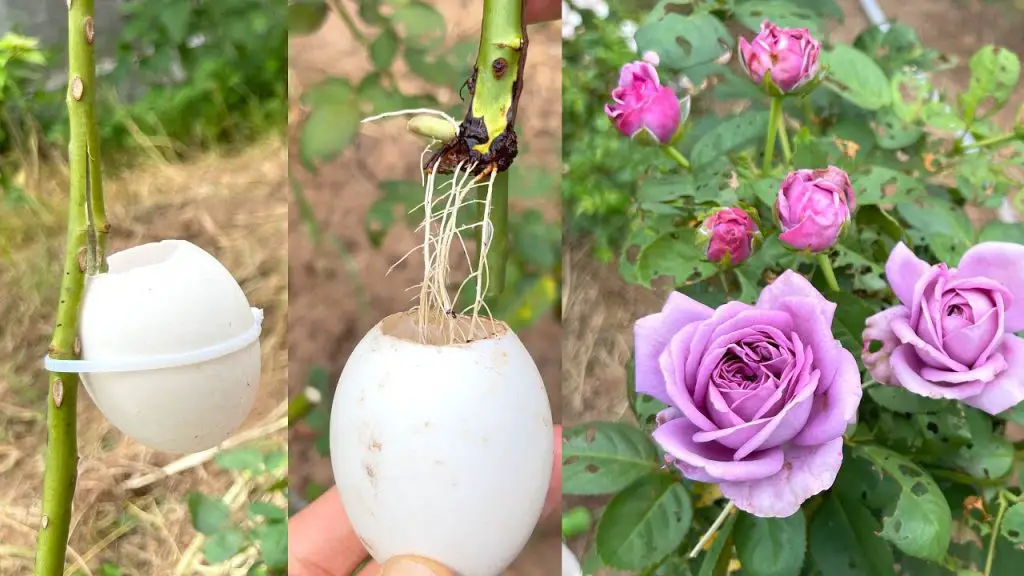
In this article, we’ll explain how you can propagate rose branches using eggshells, the benefits of using this natural material, and step-by-step instructions to ensure success.
Why Use Eggshells for Rose Propagation?
Eggshells are packed with essential nutrients, primarily calcium, which is crucial for healthy root development. When used in propagation, they help create an environment that encourages strong roots and healthy growth. Here’s how eggshells benefit your rose cuttings:
- Rich in Calcium: Calcium promotes strong root development and helps prevent issues like root rot. It also improves the overall health of the plant, encouraging more robust growth.
- Natural Fertilizer: Eggshells decompose slowly and release minerals like phosphorus and magnesium, which are beneficial for your rose cuttings. These nutrients support the healthy growth of the new plant.
- Prevents Fungal Infections: The alkaline nature of eggshells helps keep harmful fungi at bay, preventing fungal diseases that can often affect young rose plants.
- Improves Drainage: Eggshells help improve the drainage of the soil, preventing waterlogging around the roots, which is crucial to avoid rot.
- Eco-Friendly: Using eggshells in rose propagation is a sustainable and eco-friendly way to recycle kitchen waste.
Step-by-Step Guide to Propagating Rose Branches Using Eggshells
Now that you know the benefits of using eggshells for rose propagation, let’s walk through the simple steps to get started.
What You’ll Need:
- Rose cutting (preferably 6-8 inches long)
- Eggshells (around 2-3 eggs per cutting)
- Sharp scissors or pruning shears
- Clean container or pot with drainage holes
- Well-draining potting soil
- Water
Instructions:
- Prepare the Rose Cutting:
- Select a healthy rose branch with no flowers or buds. It should be around 6-8 inches long and taken from a healthy plant. Use sharp scissors or pruning shears to make a clean cut just below a leaf node.
- Remove any leaves or flowers from the lower half of the cutting, leaving only a few leaves at the top.
- Prepare the Eggshells:
- Take 2-3 eggshells and crush them into small pieces. You can use your hands or a mortar and pestle to break them into small chunks or powder.
- Make sure the eggshells are dry before using them. You can leave them out to dry naturally, or you can bake them in the oven at a low temperature for about 10 minutes to sterilize them.
- Planting the Cutting:
- Fill a clean pot or container with well-draining potting soil. Make a small hole in the soil using your finger or a stick.
- Place a generous amount of crushed eggshells at the bottom of the hole. This will create a nutrient-rich environment for the cutting.
- Insert the rose cutting into the hole, ensuring the cut end is in contact with the eggshells. Gently press the soil around the cutting to secure it.
- Watering and Caring for the Cutting:
- Water the cutting lightly to settle the soil around the roots. Make sure the soil is moist but not waterlogged.
- Place the pot in a bright location with indirect sunlight. Avoid direct sunlight, as it can scorch the cutting.
- Keep the soil consistently moist but not soggy. You can create a mini greenhouse effect by covering the cutting with a plastic bag or clear plastic dome to maintain humidity. Be sure to remove the cover occasionally to allow for ventilation.
- Monitor Growth:
- After a few weeks, the cutting should begin to develop roots. You can test the root growth by gently tugging on the cutting. If you feel resistance, the roots are taking hold.
- Once the cutting has established strong roots (usually after 4-6 weeks), you can transplant it into a larger pot or directly into the garden.
- Transplanting:
- When the rose cutting has grown strong roots and begins to show new growth, it’s time to transplant it to a permanent spot in your garden or a larger container.
- Make sure to harden off the plant first by gradually exposing it to outdoor conditions over a period of several days before planting it in the ground.
Additional Tips for Successful Rose Propagation:
- Use Rooting Hormone: While not necessary, dipping the cut end of the rose branch into rooting hormone can help stimulate faster root growth. It’s particularly useful for harder-to-root varieties.
- Watering Care: Be sure to water your cutting regularly but avoid over-watering. Too much moisture can lead to rot, especially when the cutting is still forming roots.
- Temperature: Rose cuttings generally root best at temperatures between 65°F and 75°F (18°C – 24°C). Avoid placing them in areas with extreme temperatures or drafts.
- Choose the Right Rose Variety: While most roses can be propagated from cuttings, some varieties may be more challenging than others. Consider starting with more common, easier-to-propagate types.
Conclusion
Using eggshells for propagating rose branches is a simple, natural, and highly effective method to grow healthy, beautiful roses at home. The eggshells provide essential nutrients like calcium, improve soil drainage, and even help prevent fungal infections. Combined with the right care and attention, your rose cuttings can develop into vibrant plants with strong roots and stunning blooms. Give this method a try, and watch your rose garden flourish with new growth!