Breeding roses can be a rewarding gardening project, and an innovative way to enhance your success is by using coffee grounds during propagation. This method not only helps in rooting rose cuttings but also enriches the soil. Here’s how to effectively use coffee grounds to extract and grow rose branches.
Why Use Coffee Grounds?
Benefits of Coffee Grounds
- Nutrient-Rich: Coffee grounds are high in nitrogen, making them an excellent addition to the soil for plants like roses that thrive on nutrient-rich environments.
- Soil Aeration: Incorporating coffee grounds improves soil structure, promoting better aeration and drainage, which is crucial for healthy root development.
- Natural Pest Repellent: The caffeine in coffee can help deter pests, making your roses less vulnerable to common garden threats.
Preparing for Rose Propagation
Selecting the Right Rose Branches
- Timing: The best time to take cuttings is in late spring to early summer when the plant is actively growing.
- Choose Healthy Stems: Look for healthy, disease-free branches. Select stems that are 6-8 inches long and have several leaf nodes.
Tools and Materials Needed
- Sharp Pruning Shears: For clean cuts to minimize damage.
- Coffee Grounds: Used as a rooting medium and soil amendment.
- Potting Mix: A well-draining mix suitable for cuttings.
- Small Pots: For planting the cuttings.
Taking Cuttings
- Cut the Stems: Use pruning shears to take cuttings just below a leaf node. Remove any flowers or buds to focus the plant’s energy on root development.
- Prepare the Cuttings: Strip off the lower leaves, leaving a few at the top. This helps reduce moisture loss while still allowing photosynthesis.
Preparing the Planting Medium
- Mixing the Soil: In a small pot, combine equal parts of potting mix and coffee grounds. This mixture will provide both nutrients and a favorable environment for root growth.
- Filling the Pots: Fill the pots with the coffee ground and potting mix blend, ensuring it is well-aerated.
Planting the Cuttings
- Insert Cuttings: Make a hole in the mixture with your finger or a pencil, and insert the cut end of the cutting about 2 inches deep.
- Watering: Water the cuttings lightly to ensure the soil is moist but not waterlogged.
Creating a Humid Environment
- Covering the Pots: To maintain humidity, cover the pots with a plastic bag or a clear plastic dome. This helps create a mini greenhouse effect.
- Ventilation: Ventilate the pots daily to prevent mold and ensure fresh air circulation.
Caring for Your Rose Cuttings
Light and Temperature
- Indirect Light: Place the pots in a location with bright, indirect sunlight. Avoid direct sunlight, as it can scorch the cuttings.
- Temperature: Keep the cuttings in a warm environment, ideally between 70°F to 75°F (21°C to 24°C).
Monitoring Progress
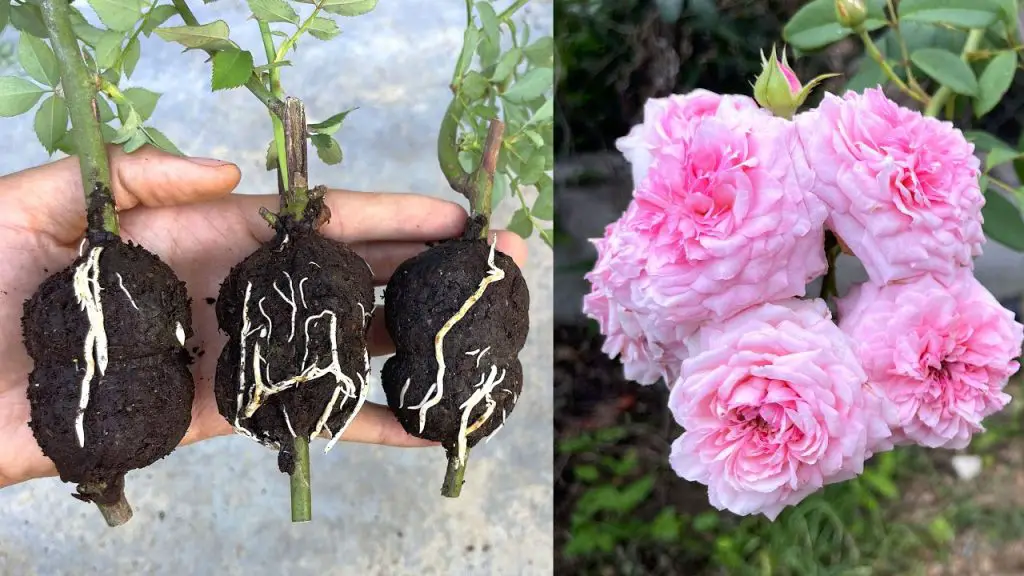
- Roots Development: After about 4-6 weeks, check for root development. Gently tug on the cuttings; if you feel resistance, roots have formed.
Transplanting
- Acclimating: Once roots are established, gradually acclimate the cuttings to outdoor conditions by placing them outside for a few hours each day.
- Transplanting to Garden: When the cuttings are strong enough, transplant them into your garden or larger pots, ensuring they receive adequate sunlight and well-drained soil.
Conclusion
Using coffee grounds to extract and propagate rose branches is an eco-friendly and effective method for breeding roses. With the right care and conditions, you can enjoy a beautiful array of roses in your garden, all while making good use of your coffee waste. Happy gardening!
Copy
Show Comments