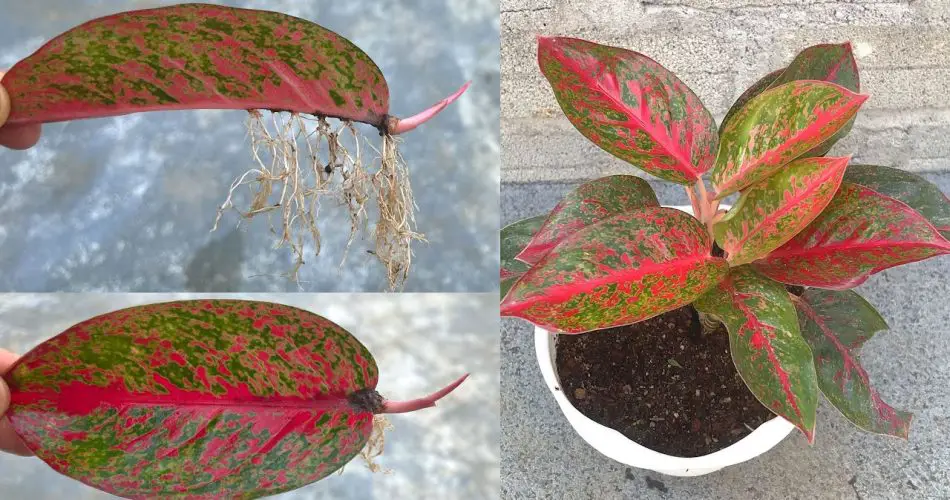
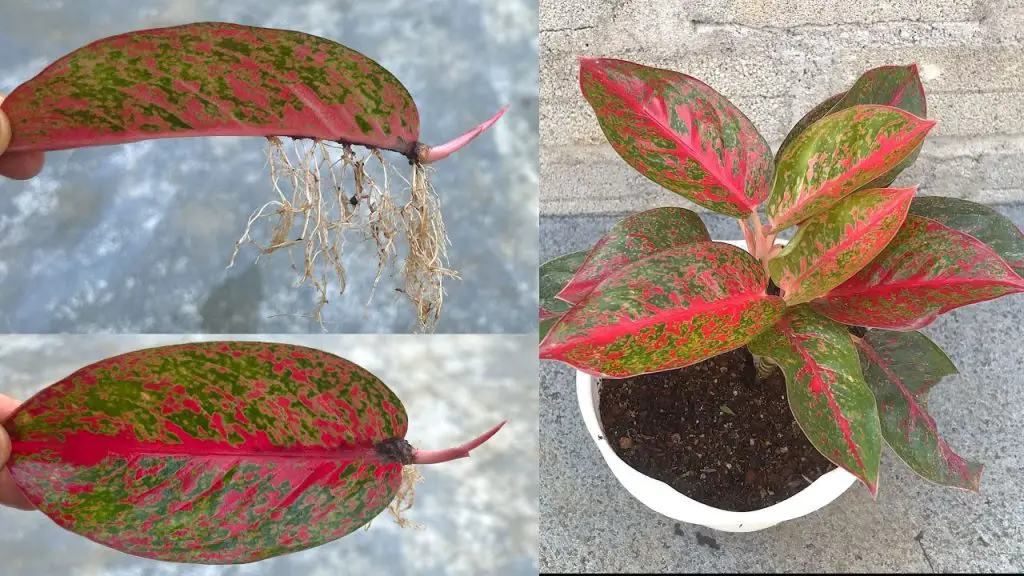
Aglaonema Rotundum Red, with its striking red-patterned leaves and vibrant appearance, is a popular choice for indoor plant lovers. One of the easiest and most effective ways to propagate this beautiful plant is by using leaves. In this guide, we’ll walk you through the steps to successfully propagate Aglaonema Rotundum Red from a leaf cutting, ensuring you can grow new plants with ease.
Why Propagate Aglaonema Rotundum Red from Leaves?
Aglaonema Rotundum Red is known for its beautiful foliage and ability to thrive in low light conditions. Propagating from leaves is a cost-effective and rewarding way to multiply your collection of Aglaonema plants. Since this plant is relatively easy to propagate, even beginners can enjoy success with a little patience.
What You’ll Need
- Healthy Aglaonema Rotundum Red plant
- Sharp scissors or pruning shears
- A clean, sterile container for water or soil
- A rooting hormone (optional)
- Well-draining potting mix (if planting directly in soil)
Step-by-Step Guide to Propagating Aglaonema Rotundum Red by Leaves
- Select a Healthy Leaf
- Choose a healthy, mature leaf from your Aglaonema Rotundum Red plant. Look for a leaf that is not damaged or diseased. The leaf should be fully mature but not old or yellowing.
- Cut the Leaf
- Using sharp, sterilized scissors or pruning shears, cut the leaf near the base of the stem. Make sure the cutting is around 4-6 inches long, with a small portion of the stem included. This will help the leaf establish roots more effectively.
- Optional: Apply Rooting Hormone
- If you want to speed up the rooting process, dip the cut end of the leaf in rooting hormone. This can encourage faster root development and improve your chances of successful propagation.
- Rooting in Water
- Place the leaf cutting in a clean container of water, ensuring that the cut end is submerged but the leaf itself is not.
- Change the water every 2-3 days to prevent bacteria or fungus growth. You should start seeing roots begin to form in about 2-4 weeks, depending on the temperature and conditions.
- Rooting in Soil
- Alternatively, you can plant the leaf cutting directly into well-draining potting mix. Make a small hole in the soil and insert the cut end of the leaf about 1-2 inches deep.
- Keep the soil lightly moist but not soggy, and place the pot in a warm, indirectly lit location.
- Provide the Right Environment
- Whether propagating in water or soil, place your leaf cutting in a humid environment to encourage root development. You can cover the container with a plastic bag or clear plastic dome to trap moisture and create a greenhouse effect.
- Wait for Root Growth
- After a few weeks, check the progress of the roots. If propagating in water, once the roots are around 2-3 inches long, the cutting is ready for transplantation into soil. If rooting in soil, gently tug on the cutting to feel if roots have formed.
- Transplant to a Larger Pot
- Once the cutting has established healthy roots, it’s time to transplant it into a larger pot with well-draining potting soil. Ensure the new pot has drainage holes to prevent root rot.
Additional Care Tips for Your New Aglaonema Rotundum Red Plant
- Light: Aglaonema Rotundum Red thrives in low to medium light conditions. Avoid direct sunlight, as it can scorch the leaves.
- Watering: Water your new plant when the top inch of soil feels dry. Be sure not to overwater, as Aglaonemas are susceptible to root rot.
- Humidity: Aglaonemas prefer moderate to high humidity, so misting the leaves or placing the plant near a humidifier can help keep it healthy.
- Fertilizing: Feed your new plant with a balanced, water-soluble fertilizer every 4-6 weeks during the growing season to promote healthy growth.
The Results
If done correctly, propagating Aglaonema Rotundum Red by leaf cuttings will result in a healthy, thriving plant. The new plant will have similar vibrant red-patterned leaves and can be enjoyed as part of your indoor garden.
Why It Works
Aglaonema Rotundum Red is a hardy plant that can propagate easily from leaf cuttings because of its ability to grow roots from the base of the leaf. With the right care, the cutting will develop roots, and in time, it will grow into a mature plant.