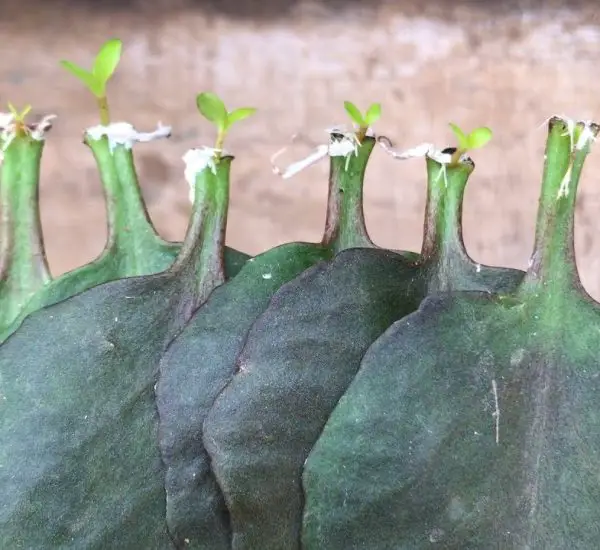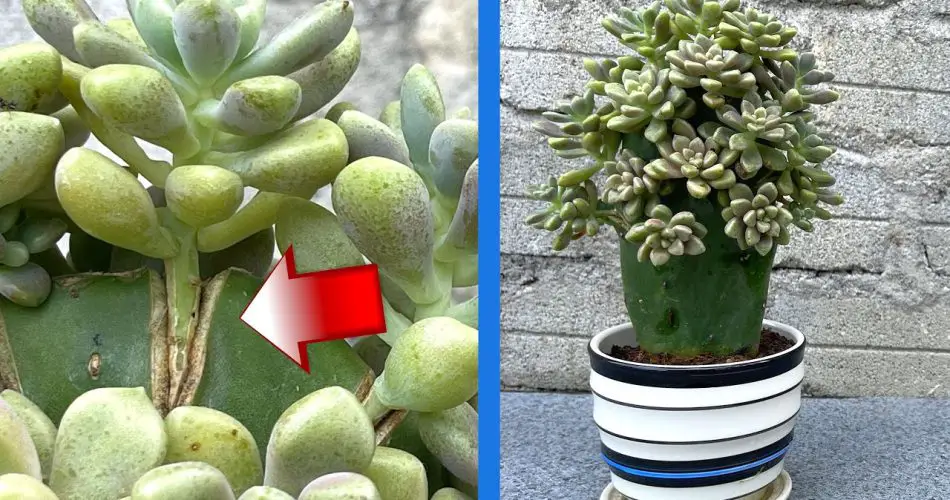
Pairing succulents with brush cactus is an excellent way to create a visually striking and low-maintenance garden display. In Part 2 of this guide, we will explore more creative ways to combine these hardy plants to elevate your landscape design. By understanding the needs and characteristics of both succulents and brush cactus, you can create beautiful, thriving arrangements that add color, texture, and contrast to any garden.
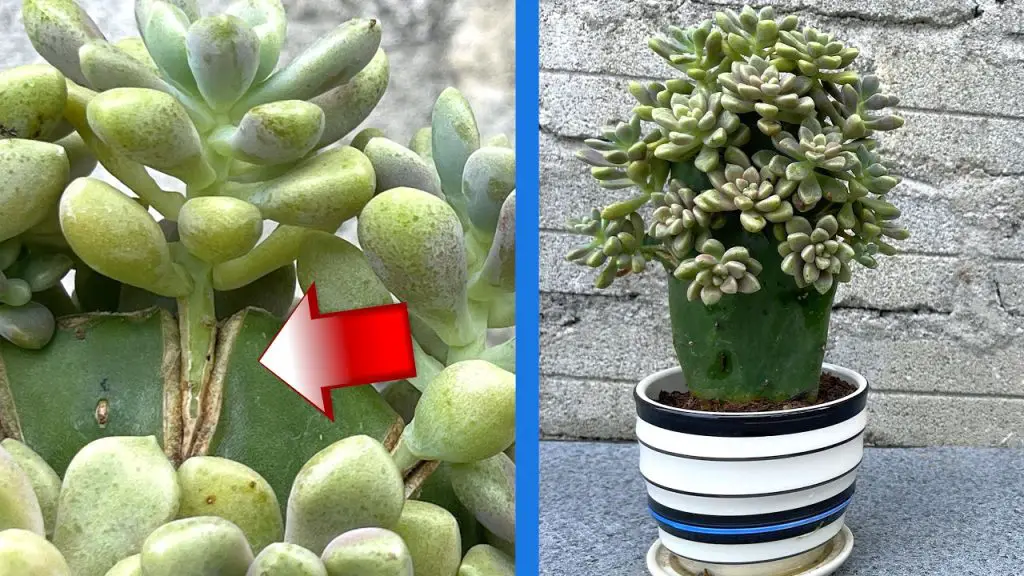
1. Understanding Brush Cactus
Before we dive into pairing tips, let’s review the basics of brush cactus. This cactus is known for its unique appearance, characterized by long, thin, spiky branches that resemble a brush. It thrives in sunny locations and is incredibly drought-tolerant, making it perfect for xeriscaping or low-water gardens.
Key Characteristics of Brush Cactus:
- Size and Shape: Brush cactus typically grows in an upright, cylindrical shape, reaching heights of 3 to 6 feet.
- Color: The green to grayish stems contrast nicely with the more colorful succulents.
- Sunlight Requirements: These cacti prefer full sun and well-drained soil.
When pairing with succulents, consider the contrast between the tall, spiky brush cactus and the compact, fleshy succulents. This will create a dynamic and balanced look in your garden.
2. Succulent Pairing Ideas for Brush Cactus
Here are some creative ways to combine succulents with brush cactus for a stunning garden display:
A. Pairing with Echeveria
Echeveria is a popular succulent known for its rosette-shaped leaves in vibrant shades of purple, red, or green. When paired with a brush cactus, the soft, rounded forms of echeveria contrast beautifully with the sharp, linear structure of the cactus.
- Placement Tips: Place echeveria in clusters at the base of the brush cactus to highlight the spiky texture above.
- Complementary Colors: Choose varieties like Echeveria ‘Perle von Nurnberg’ (pale pink) or Echeveria ‘Lola’ (lavender) for a colorful, complementary contrast.
B. Pairing with Sedum
Sedum, or Stonecrop, is another versatile succulent that works well with brush cactus. Sedums often have trailing stems that spill over the edge of containers, adding an elegant draping effect.
- Varieties to Consider: Sedum ‘Autumn Joy’ has beautiful pinkish flowers that bloom in late summer, while Sedum ‘Angelina’ has golden-yellow foliage that adds a splash of color.
- Styling Tip: Plant sedum near the base of the cactus for a cascading look that softens the spiky texture of the cactus.
C. Pairing with Aloe Vera
Aloe Vera is not only known for its medicinal properties but also for its striking appearance. With its thick, fleshy leaves and sharp, triangular shape, it pairs beautifully with the brush cactus.
- Aloe Varieties: Consider Aloe Vera for its easy-care nature or Aloe arborescens for an even more dramatic visual effect.
- Arrangement Tip: Plant aloe in clusters around the cactus, allowing the thick leaves to create a contrast in shape, with the tall cactus towering above.
D. Pairing with Crassula
Crassula, including the popular Jade Plant, is another excellent succulent to pair with brush cactus. With its thick, fleshy leaves that are often glossy or waxy, Crassula provides a softer look compared to other succulents.
- Varieties to Consider: Crassula ovata (Jade Plant) is a classic choice, or you can choose Crassula ‘Campfire’, which turns red at the tips when stressed, adding a pop of color.
- Combination Tip: Use Crassula as a low-growing succulent in the foreground to create a ground-level contrast with the taller brush cactus.
3. Creating Visual Balance
The key to pairing succulents with brush cactus is creating visual balance. While the cactus offers height and structure, the succulents provide ground-level interest and color contrast.
- Height and Texture: Ensure that the taller cactus doesn’t overwhelm the lower-growing succulents. Group succulents in clusters to provide a balanced, layered effect.
- Color Harmony: Opt for complementary colors that enhance each other, such as green and purple or yellow and pink.
- Spacing: Allow enough space between the cactus and succulents to avoid overcrowding. This gives each plant room to grow and lets their individual beauty shine.
4. Caring for Your Succulent and Brush Cactus Combination
While both succulents and brush cactus are low-maintenance plants, they do require specific care to thrive together in the same garden.
A. Watering Needs
Both succulents and brush cactus are drought-tolerant plants that prefer well-drained soil. Overwatering can lead to root rot for both types of plants, so make sure the soil is dry before watering.
- Watering Frequency: Water sparingly, allowing the soil to dry out between waterings. In general, water every 1-2 weeks during the growing season and less frequently in the winter months.
B. Soil Type
Both plants thrive in well-draining soil, so use a cactus or succulent mix for optimal growth. You can also add sand or perlite to improve drainage.
C. Sunlight Requirements
Place your succulent and brush cactus combination in a sunny location that receives at least 6 hours of direct sunlight daily. These plants will not thrive in low light conditions and need plenty of light to maintain their vibrant colors and compact shapes.
5. Conclusion
Pairing succulents with brush cactus is a creative and fun way to design a stunning low-maintenance garden. By carefully selecting complementary succulents and considering their care requirements, you can create a beautiful, drought-tolerant garden display that thrives in full sun and well-draining soil. Whether you prefer the vibrant color of echeveria, the cascading effect of sedum, or the unique shape of aloe vera, there’s no shortage of options for pairing with your brush cactus. With a little planning and attention to detail, your succulent and cactus combination will become a beautiful focal point in your garden.