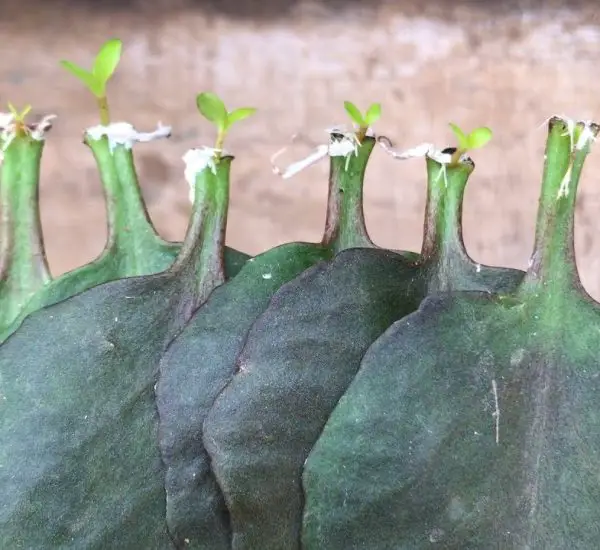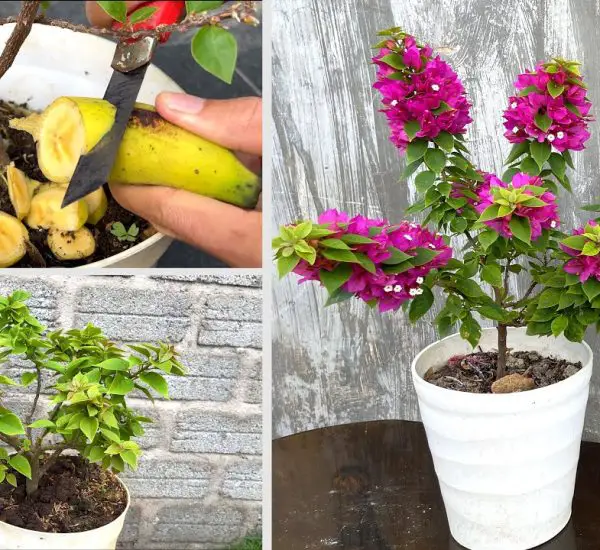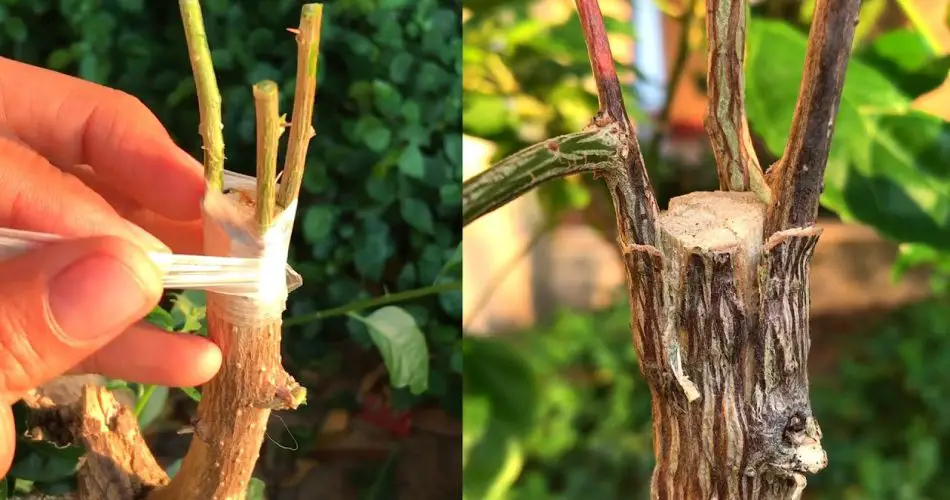
Grafting is a time-honored horticultural technique that allows gardeners to combine different tree species to create stronger, more productive, and aesthetically pleasing plants. This method involves joining parts of two plants (the scion and the rootstock) so they grow together as one. The grafting method is applicable to many different tree species, making it an invaluable tool for gardeners and arborists alike. Whether you’re looking to propagate a rare variety, improve tree disease resistance, or even grow multiple fruit types on one tree, grafting can help achieve these goals.

What is Grafting?
At its core, grafting involves connecting the rootstock (the plant’s root system) to a scion (a young shoot or branch) from another tree. The two plants are physically joined in such a way that they share nutrients, enabling the scion to grow and develop while benefitting from the rootstock’s root system. Successful grafting relies on the union of the cambium layers of both plants, which is why selecting compatible species is critical.
Why is Grafting Used?
- Propagation: Grafting allows gardeners to propagate desirable tree varieties that may not reproduce true to type through seeds. For example, if you want to grow a tree with specific fruit qualities or flower color, grafting ensures that the new tree will retain those traits.
- Increased Disease Resistance: By selecting a rootstock that is more resistant to certain pests or diseases, gardeners can help ensure their grafted trees are healthier and more resilient. This is especially important for species that are prone to specific diseases, such as root rot or fungal infections.
- Faster Growth: Grafting can help a tree reach maturity more quickly compared to growing from seed or cutting. By using a strong, mature rootstock, the scion benefits from a well-developed root system, resulting in faster growth and quicker fruiting.
- Diversity: One of the most exciting aspects of grafting is the ability to combine different tree varieties on a single rootstock. For example, you can graft several fruit tree species—such as apple, pear, or plum—onto a single tree to create a unique multi-fruit tree that produces different fruits in the same growing season.
Grafting Method for Different Tree Species
While the grafting method is applicable to many tree species, it is particularly common in fruit trees, such as apples, pears, and citrus, as well as certain ornamental trees like roses and cherries. Below are some examples of how grafting can be used on different types of trees.
1. Fruit Trees
Grafting is especially popular for fruit trees because it can enhance fruit production, allow for cross-pollination, and create dwarf varieties. Some common grafting techniques used for fruit trees include:
- Apple Grafting: Apple trees are often grafted onto rootstocks that limit the tree’s growth and make the tree more compact. This allows for easier harvesting and better management in smaller spaces. Additionally, grafting different apple varieties onto the same rootstock enables gardeners to grow multiple types of apples on a single tree.
- Citrus Grafting: Citrus trees such as oranges, lemons, and limes are commonly grafted to increase their resistance to diseases like citrus tristeza virus and to improve fruit quality. Citrus scions are usually grafted onto hardy rootstocks like sour orange or Swingle citrumelo.
- Peach and Plum Trees: Many stone fruit trees, including peaches and plums, are grafted to increase disease resistance and improve the quality of the fruit. Rootstocks that provide disease resistance and are well-suited to local soil types are often chosen for grafting.
2. Ornamental Trees
While grafting is often associated with fruit trees, it is also common in ornamental trees. For example:
- Rose Grafting: Roses are commonly grafted onto more resilient rootstocks, which helps improve their disease resistance and overall hardiness. Grafting allows for the creation of unique rose varieties that produce exceptional blooms.
- Flowering Cherries and Plums: Flowering cherry and plum trees can be grafted to enhance ornamental qualities. This allows gardeners to choose specific tree varieties for desired flower color, size, and shape.
3. Nut Trees
Some nut trees are also grafted to improve production and disease resistance. For example:
- Walnut Trees: Walnut trees are often grafted onto rootstocks that are resistant to root rot and other soil-borne diseases, making them more productive and healthier over time.
- Pecan Trees: Pecan trees can be grafted onto rootstocks that help them adapt to specific soil types and climates. This ensures better growth and fruit production in challenging environments.
Popular Grafting Techniques
There are several grafting methods commonly used for trees, and the choice of method depends on the species being grafted, as well as the size and condition of the plants involved. The most popular methods include:
- Whip and Tongue Grafting: This is a popular method for fruit trees, especially when the rootstock and scion are of similar thickness. The cuts made to both plants interlock like a tongue and groove, creating a stable union for grafting.
- Cleft Grafting: Cleft grafting is often used for larger trees where the scion is inserted into a split made in the rootstock. This method is common for fruit trees like apples and pears.
- Bark Grafting: Bark grafting is typically used on trees that are more mature. This method is often employed for citrus trees and involves attaching the scion to the bark of the rootstock, allowing for better healing and growth.
- Approach Grafting: In this method, both the scion and rootstock are joined while they are still attached to their parent plants. Once the graft has successfully fused, the scion is separated from its original plant.
Conclusion
The grafting method is an incredibly versatile technique that can be applied to many tree species, especially fruit trees and ornamentals. By grafting different species, gardeners can create trees with enhanced characteristics, such as improved disease resistance, faster growth, and better fruit production. Whether you’re aiming to grow a multi-fruit tree, improve your tree’s hardiness, or simply experiment with different varieties, grafting offers endless possibilities for enhancing the beauty and functionality of your garden or orchard.